

Welcome to GR Online, a series of short-form articles that take aim at the moving target of contemporary culture as it’s whisked along the guide rails of innovations in digital media, globalisation and late-stage capitalism.

Drowning in a puddle
The thought of being accepted is terrifying when you’re so used to not being accepted. You expect the worst because the worst is what you’ve become accustomed to. The people in that meet-up group will become your closest friends for the next year. You’ll come to understand that they worry about the same silly little things you do. But those silly little things aren’t so silly and they’re not so little. We just designate them as such because that’s how we’ve been taught by some of the people around us – who expect us to behave in the exact same way they do. But life just doesn’t work like that. Different experiences create different strengths and weaknesses in all of us.
Conferral
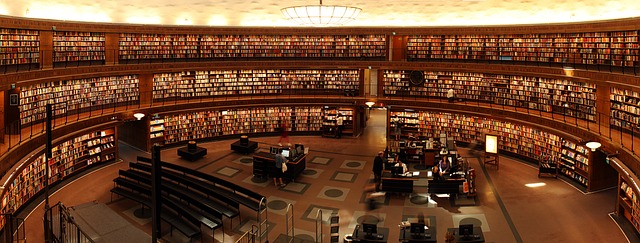
Beneath my fantasy of a regular wage is the puerile hunch that if I stay in academia, I can regain some of the nervy possibility I held as an undergraduate student. It was at university that I first met people whose days were preoccupied with thinking, reading and writing, revelatory mostly because they were compensated for these activities with bourgeois trappings and validation. With hindsight, I can recognise that my straining so doggedly to become the kind of person who succeeded according to the university’s metrics mainly taught me what bell hooks says is the primary lesson of college – namely, ‘obedience to authority’.
Finding the right phenotype
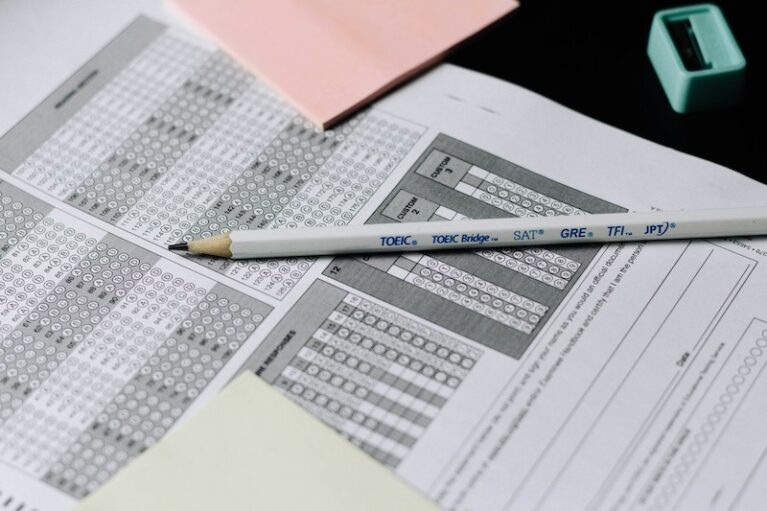
I paused to consider the possible benefits of a diagnosis. If I was autistic, my disinclination towards hugging, eye contact and small talk would stop being seen as a sign of my underlying coldness and instead be considered a legitimate accessibility need. I imagined a whole new world where the federal Disability Discrimination Act (1992) would be my shield, protecting me from the scourge of ‘camera-on’ Teams meetings. Could I insist on my own four-walled office at work, and get out of the cacophony of the modern open-plan office too? Maybe my new condition could even explain away my patchy work record and reluctance to accept underwhelming authority figures.
But I already had a label. One that, like autism, regularly stirred up moral panic around wokeness and social contagion. As a recently diagnosed transgender person, I was already part of a highly online, over-educated and underemployed cohort, routinely blamed for stifling free speech as well as both maintaining the gender binary and destroying it. The alt-right discourse was already aflame, decrying the social scourge of everyone wanting to be seen as a ‘special snowflake’ and the creeping ‘politics of victimhood’. Did I really need to inhabit a second suspect identity?
When adults are at risk
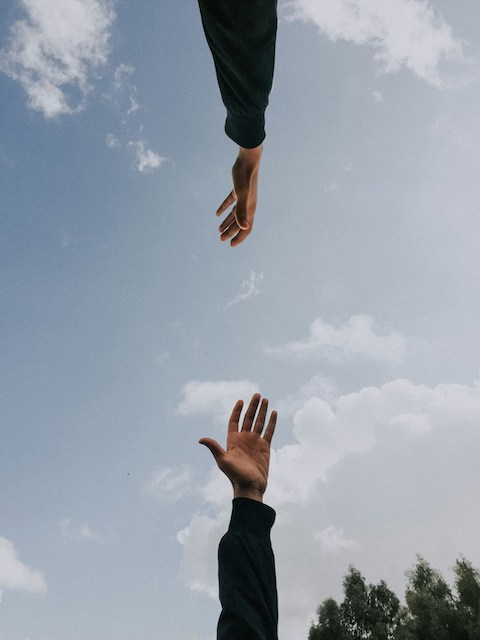
One significant subset of our modern adult-safeguarding environment is elder abuse, which we know is a significant and under-reported problem. In 2021 the Australian Institute of Family Studies released the results from the first-ever broad survey of elder-abuse prevalence in Australia. This showed that 14.8 per cent of adults aged sixty-five and over had suffered abuse in the previous twelve months. Importantly, only a little more than one third of people who experienced abuse sought help.
Uninsurable nation
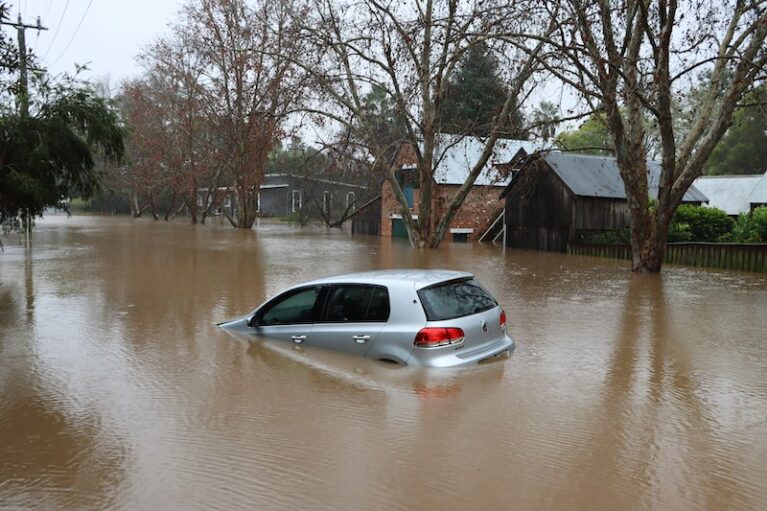
AS I DRIVE into the small Victorian riverside town of Rochester, a banner tied to a metal fence greets...

The inspirations of radical nostalgia
There is nothing natural or inevitable about the ‘decline’ of history and the broader arts and humanities, any more than there is the destruction of nature. Neither are passive or natural processes; both occur as a consequence of deliberate decision-making made in accordance with ideological preferences, usually supporting the material objectives of the vested interests that systematically corrupt our democracy and society.
Redeeming universities and other public institutions requires sustained political effort. The decline of academic history can be reversed through ending the ideological sway of neoliberal managerialism in universities, the allocation of reasonable levels of resourcing, and the provision of job security and professional autonomy to sufficient numbers of historians, plus time and space to learn for their students. Loss of historical consciousness, unlike extinction, need not be forever. With air returned to their lungs once more, the disciplines preoccupied with human purpose and meaning, fostering habits of critical thinking, are amenable to full resuscitation.
Radioactive fallout
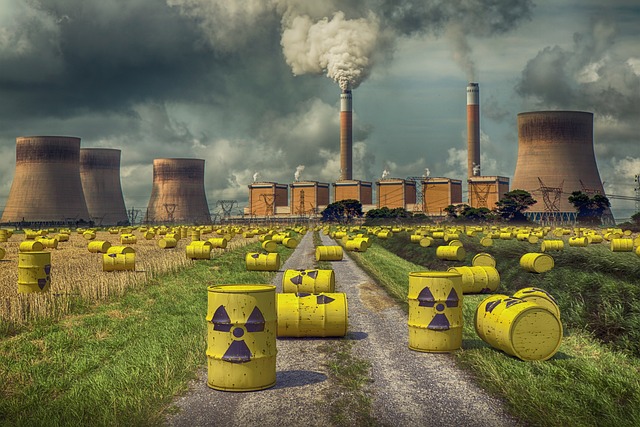
The quake lasted six minutes – the office floor jolted convulsively; metal shelves rattled, files fell with a cacophony of thuds, and the structure of the building seemed to be squeaking. And then it stopped. My office building hadn’t collapsed. Neither had our apartment; my husband and son weren’t hurt. But it wasn’t the end. The Fukushima Daiichi Nuclear Power Plant had lost power, which was required to cool both the reactors and spent fuel rods. The government was braced for the worst: massive explosions or core meltdowns. A nuclear emergency was declared at 7.03 pm.
Psychobabble
Much of my life has been spent in search of frameworks to help me understand the trauma that was transacted in my upbringing, and the cataclysmic emotional and relational changes wrought. Moving between the psychological illiteracy of the world I was raised in and the fluency of our current era feels like time travel.
The octopus within
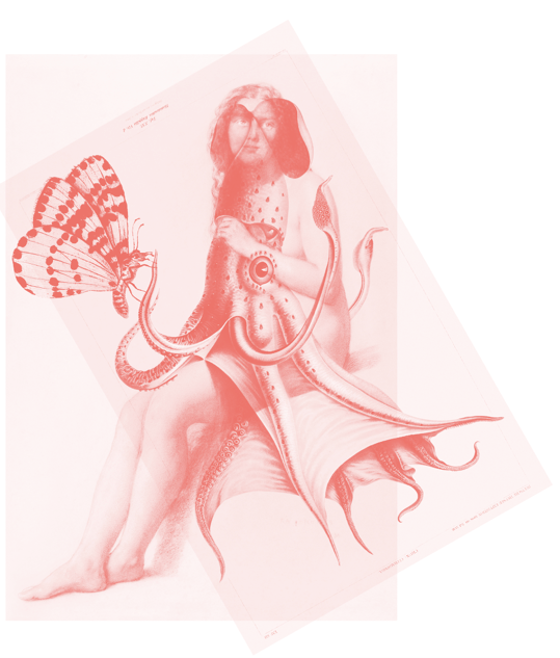
I’ve now watched quite a few doctors sketch my thyroid on office pads, something they all seem to love to do, relishing that butterfly shape, the two spreading wings. They do shade-hatching on the left or right lobe, colour in a dark circle to represent the tumour and draw four little dots for the parathyroid glands. I have started to look forward to this moment when a medical specialist transforms suddenly into an artist, taking pride in their drawing, picking up a special pen with a thin black nib, concentrating on making this invisible organ real to me. They are maybe unaware that through their own idiosyncratic drawing styles, they become instantly more interesting as people. They hand over the piece of paper and explain the next steps, and I take their drawings home, magnet them to the fridge beside the more exuberant pictures done by my kids, start making the necessary calls, and turn up on time to the next appointment, curious as a child in kindergarten.
Which is how I first learnt that there is an octopus within.
The whole truth
Acting methods...have remarkable similarities to spiritual cults. They have leaders, dogmas, even seminal texts. They have supervised rites and orthodox practices. They have stages of enlightenment, and trained leaders who will inform you whether you’ve reached such heights (and you usually haven’t, unless you’re sleeping with the leader in question).

Bringing up Baby
My husband, the softer touch with Baby, couldn’t get the leash on him so I took over. I had a handful of food to placate Baby, and he seemed to relax as I held it slightly away from his snout and went to attach the leash with my other hand. But when Baby realised what was happening, he went stiff, then bit my hands eight times like he wanted to kill me.

Black love matters
Love in Beloved is joyous, exuberant, heart-stabbingly painful, dark and deadly, full of grace and, above all, expansive and generous. There are many ways to love. Uncomfortably for the reader, Morrison insists that even some acts that look and sound like abuse could also be the malformed manifestations of love by the unloved.
