The whole truth

The complications of ‘going Method’

Featured in

  • Published 20240507
  • ISBN: 978-1-922212-95-5
  • Extent: 203pp
  • Paperback, ePub, PDF, Kindle compatible
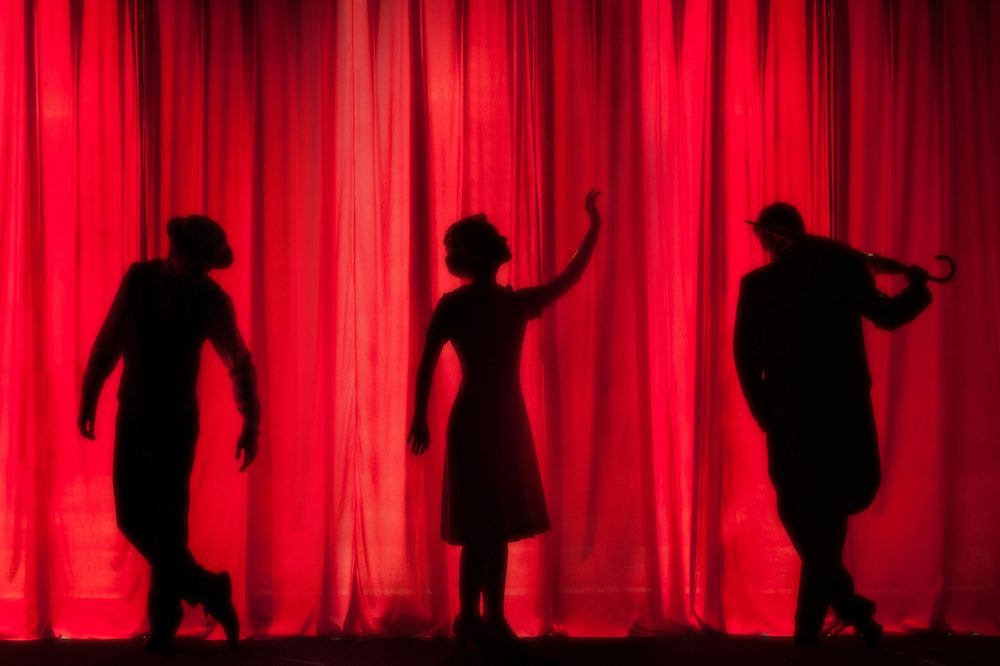
THE FIRST TIME I tried to cry on cue, in a workshop intended for aspiring young actors, it did not work. It was 2006; I was eighteen years old and performing a rather ambitiousmonologue from Andrew Bovell’s After Dinner,in which forty-something Monika describes finding her husband dead in the living room. Naturally, dead husbands require real tears, and I assumed unashamed effort was the key to achieving them. I listened to sad music before I performed. I laboured every word. I chased – begged – the emotion like a hysterical teenage girl running after an ex-­lover at midnight. JUST COME HERE. PLEASE. By the end of the monologue, I was so frustrated I couldn’t make myself cry that I began to cry. When I finished, the teacher said, ‘I think that play is supposed to be a comedy.’

Soon after, I auditioned for a conservatory-­style acting school in my home town – mosquito-­infested Meanjin, Queensland – and somehow got accepted. In first year, we lay on linoleum in dilapidated university classrooms and sweated out subtropical fever dreams of Shakespeare, Chekhov and Linklater. I was trained primarily in the Eric Morris technique, a derivative of Lee Strasberg’s version of Method acting.

Already a subscriber? Sign in here

If you are an educator or student wishing to access content for study purposes please contact us at griffithreview@griffith.edu.au

Share article

More from author

Dried milk

Memoir THE RUIN OF the new mother is the raspberry. I give Yasmin, her eight-month-old, the bursting prize of the red berry. I know what I am doing....

More from this edition

Past-­making within the present

In ConversationThe Marranbarna Dreaming story is a central story to Gudanji, and that essential story forms our beingness. My kids grew up hearing that story from when they were tiny babies – they heard it through my words and they heard it through the words of their grannies, so they could embed the story within their own sense of identity and then retell it. Both of my girls are mums now, and they retell that story to their daughters all the time, so it just becomes a normal part of who and how they are as Gudanji people.

The Orcanauts

FictionAs admiral, my rank is Navarch. Below me serve three Plotarchs, or strike-­team leaders. The rest, including the calves, are rank and file Orcanauts. Thus far, we have operated as a guerrilla force, mounting unexpected assaults on the enemy fleet, causing maximum disruption to their supply channels and leisure activities before fleeing for the safety of deep, open water. It has been a highly effective strategy, but too piecemeal. The drylanders have dispatched scientists to study our behaviour and offer explanations, rather than send divers and submarines to face us in battle. Their media have portrayed me as a rampaging fish, driven mad by some traumatic encounter with one of their boats.

Lincoln Wimbley writes a story at 37,000 feet

FictionThen last week, in that bar. Lincoln never a big bar guy. But Professor Tim suggested, ‘Get out in the world!’ Somewhere all new. So, a bar. The bartender asked, ‘A beer?’ Lincoln hated cans. Hated bottles. Hated beer. But asked for something on draft. On tap. Explained why he was there, a first-­timer, hunting for a story. Bartender laughed. Said elsewhere’s probably best. ‘None of the sad sacks here come with a happy ending.’

Stay up to date with the latest, news, articles and special offers from Griffith Review.