
Featured in
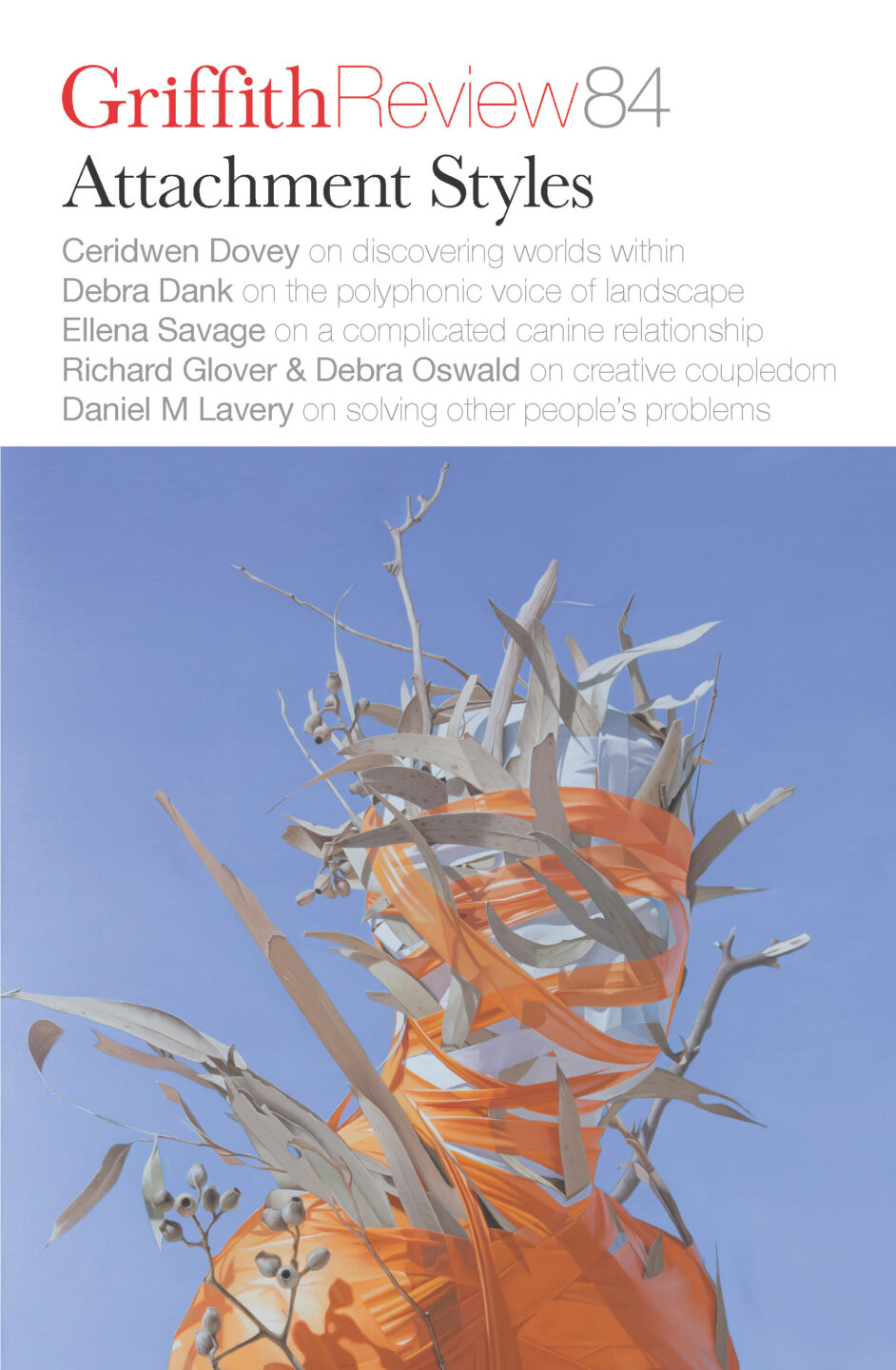
- Published 20240507
- ISBN: 978-1-922212-95-5
- Extent: 203pp
- Paperback, ePub, PDF, Kindle compatible

Already a subscriber? Sign in here
If you are an educator or student wishing to access content for study purposes please contact us at griffithreview@griffith.edu.au
Share article
More from author

Five million years on the right side of history
Whether ‘Anthropocene’ is confirmed as the title of our present remains to be seen. And yet, while few agree on what defines our epoch, there is a general sense that it should be defined; that correct periodisation will help us fix the mess we’re in; that even if those with power aren’t listening to the scientists and the critics, someone else is.
More from this edition
Survey
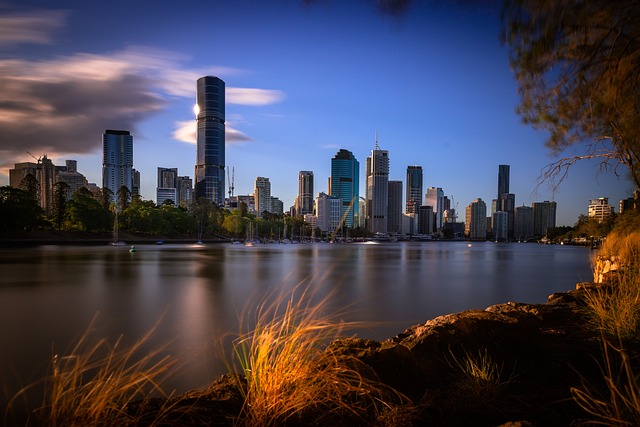
FictionBut I have long lost my personal thread to this place, I realise, and thinking of this loss I almost feel mournful for a former life I see now as though in the third person, a life belonging to an altogether different man. Perhaps it is for the best that those old threads are cut, for it means I am free of them.

Bonfire
FictionIt was a loud dinner. Everything was loud. The murmuring soundtrack of free jazz seemed to emphasise laughs and guffaws. He grew drunker and drunker and toyed with his food, which no one even noticed. Normally, he would wolf down everything they cooked, but he twisted his fork in the spaghetti and just kept twisting. As he was on serving duty, he cleared it up without anyone even registering he’d barely taken a bite.

Land of my fathers
Non-fictionOn Saturday mornings his friends would call in to pick him up for the game. Like him, they were broad and tall and humorous, and never still. None of them ever seemed comfortable indoors. Their faces were fevered from sitting in winter stadiums. Even as septuagenarians they continued to refer to themselves as ‘the boys’, and if my mother materialised before them, they’d blush like children.
