
Featured in
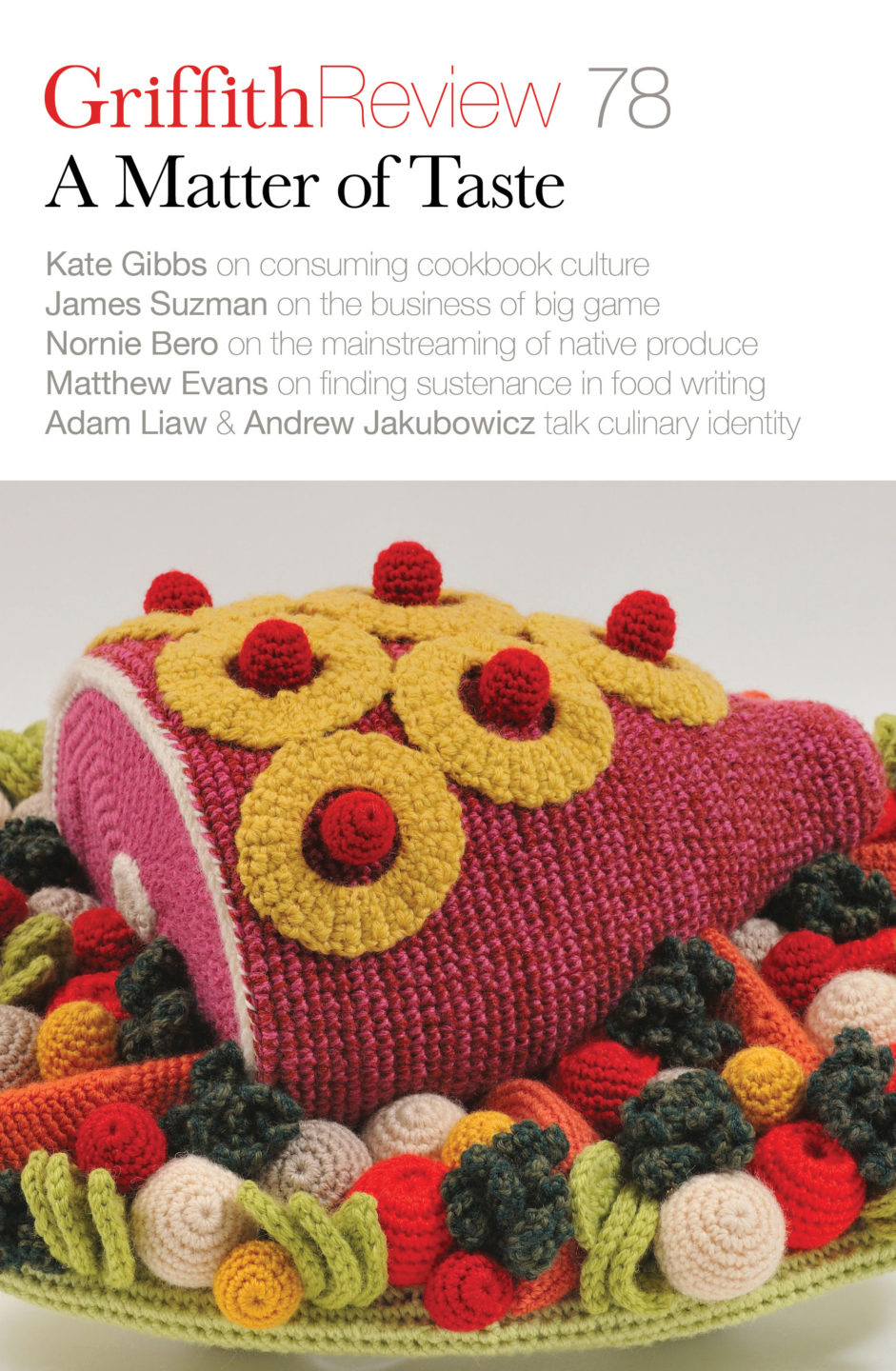
- Published 20221101
- ISBN: 978-1-922212-74-0
- Extent: 264pp
- Paperback (234 x 153mm), eBook


Already a subscriber? Sign in here
If you are an educator or student wishing to access content for study purposes please contact us at griffithreview@griffith.edu.au
Share article
More from author

The whole truth
Non-fictionActing methods...have remarkable similarities to spiritual cults. They have leaders, dogmas, even seminal texts. They have supervised rites and orthodox practices. They have stages of enlightenment, and trained leaders who will inform you whether you’ve reached such heights (and you usually haven’t, unless you’re sleeping with the leader in question).
More from this edition

Quinoa nation
FictionWe don’t stock Gwyneth Paltrow’s cookbook. I know this because Amanda thinks Gwyneth Paltrow is goofy, despite Amanda and Gwyneth Paltrow being the same person. Our customers are Gwyneth Paltrow’s target demographic. If Gwyneth Paltrow wrote a novel our book club would literally devour it.

Strong food
EssayThe principal reason Ju/’hoansi didn’t seek to accumulate wealth or surpluses was because they were confident first in the inherent providence of their environment and second in their ability to exploit it – so they were content to focus their energies on meeting only their immediate material needs rather than on creating or controlling surpluses.

Easter cakes
MemoirI find I cannot cry on the day of the funeral or for many nights after the news of Ellen’s death and it is as if I am stunned by this loss, as if I am too close to this absence for it to mean anything yet, until two weeks later when I take the handle of the mould in my hands and lay the flat back of it against my cheek, and I cry and I cry.
