
Featured in
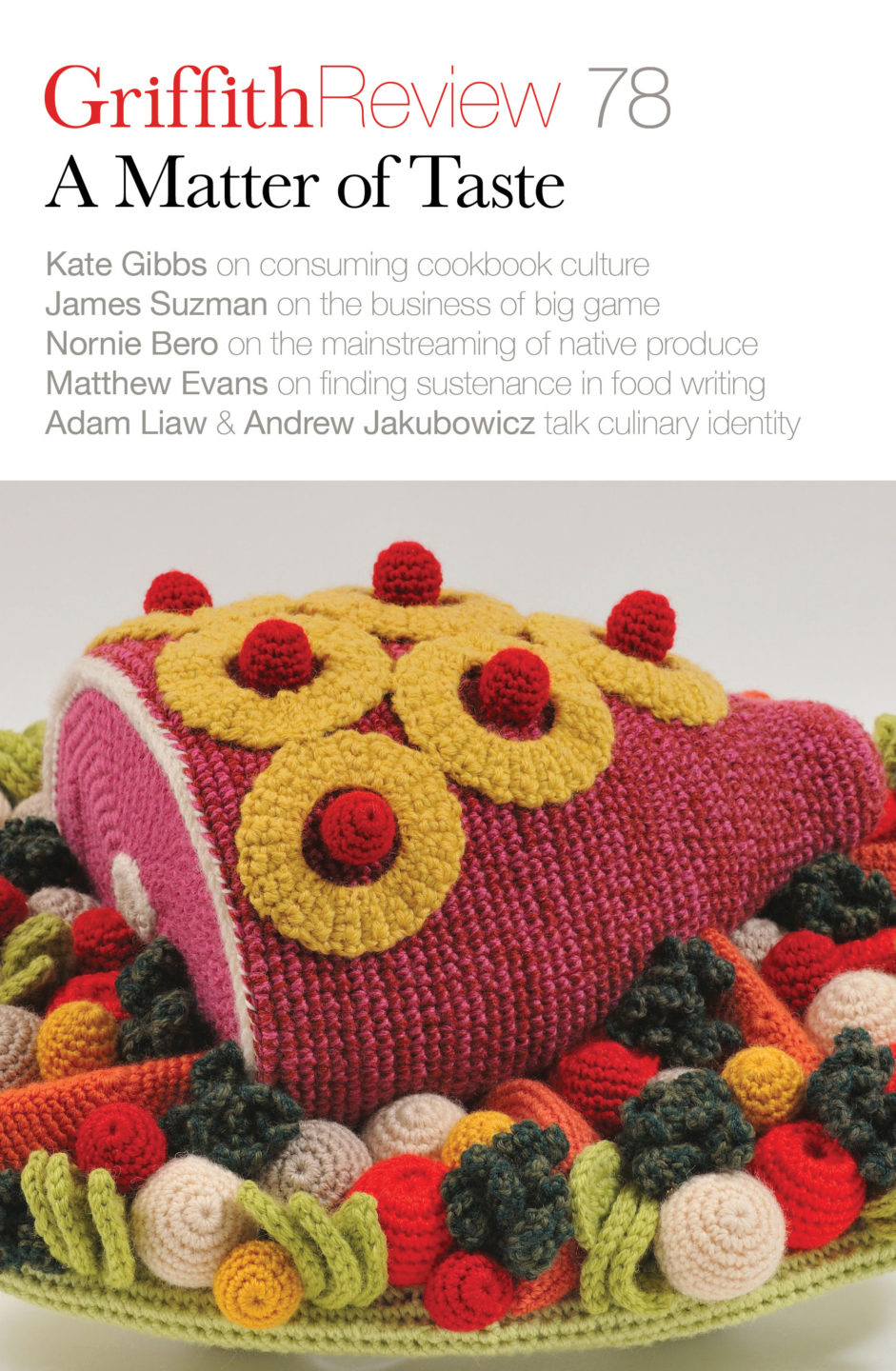
- Published 20221101
- ISBN: 978-1-922212-74-0
- Extent: 264pp
- Paperback (234 x 153mm), eBook

Already a subscriber? Sign in here
If you are an educator or student wishing to access content for study purposes please contact us at griffithreview@griffith.edu.au
Share article
More from author
Go west
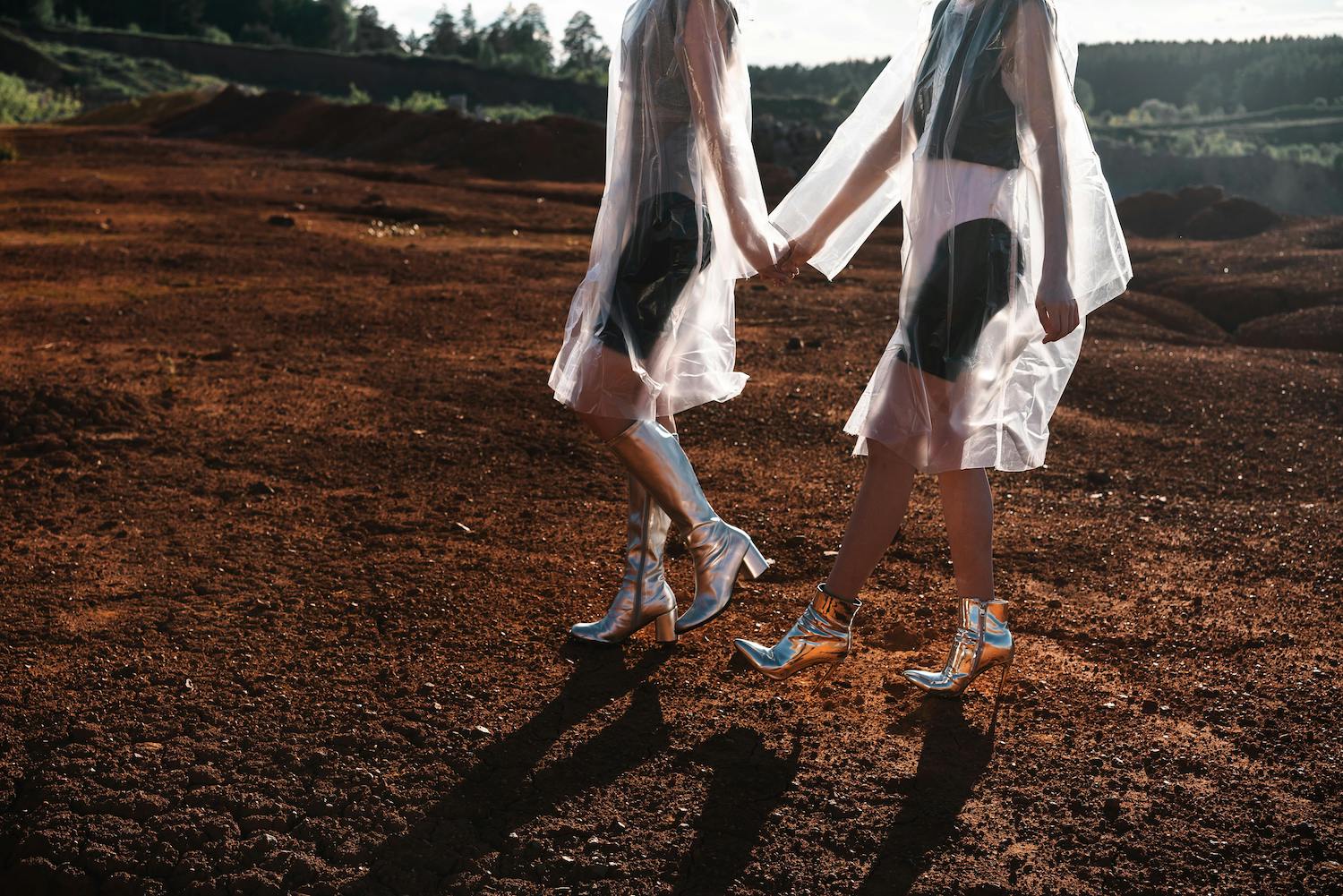
This fever dream of an afternoon is a standard Sunday at Broken Heel, the drag festival in the desert where queer culture meets outback Australiana. Held over a long weekend in September, Broken Heel is a five-day extrava- ganza hosted by Broken Hill’s Palace Hotel – the pub that makes a cameo appearance in Stephan Elliott’s iconic 1994 film, The Adventures of Priscilla, Queen of the Desert. Conceived as a tribute to Priscilla, which was largely filmed and partly set around Broken Hill, Broken Heel was launched by Palace owner Esther La Rovere in 2015 to coincide with the film’s twenty-first birthday. Nine years later, the drag festival had become an annual institution, attracting thousands of punters from around Australia and overseas. Thirty years after Hugo Weaving stopped traffic on Argent Street with a pink thong dress and matching wig, this storied mining town with a pub on every corner welcomed a veritable deluge of men in muumuus.
More from this edition
Gut instinct
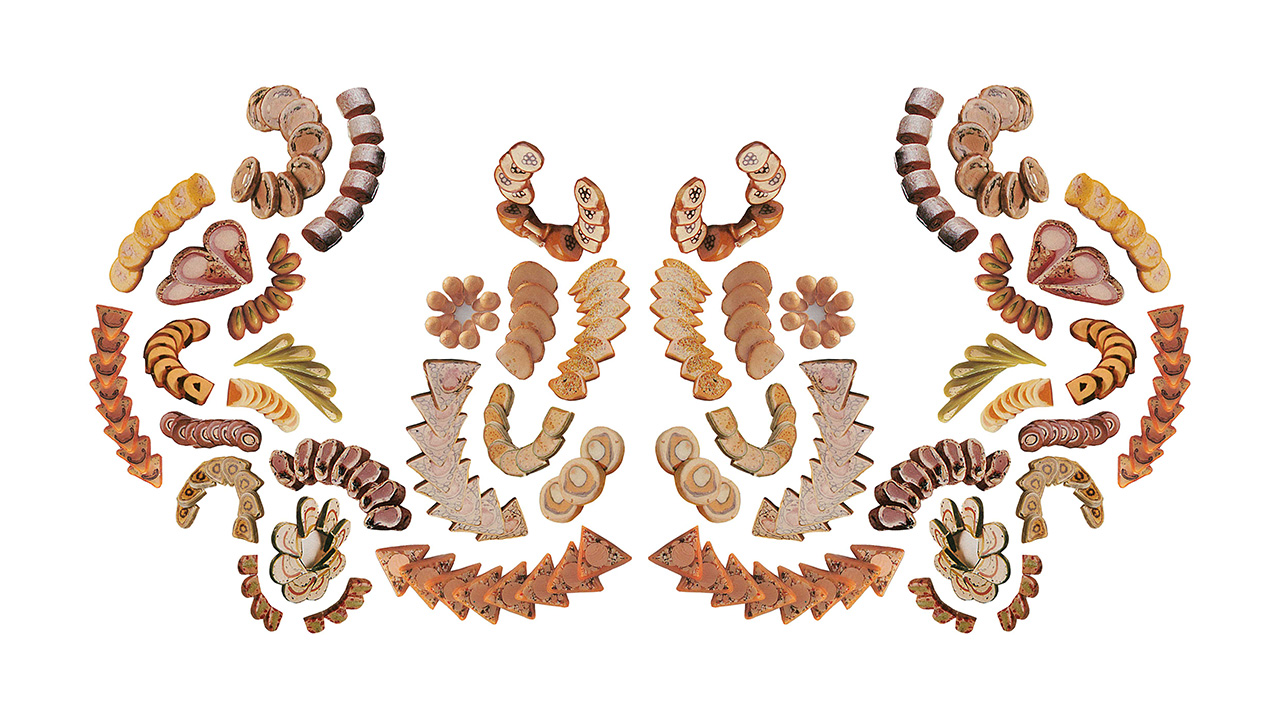
In ConversationUsing identical, machine-made food items accentuates the traces of consumption. In works where participation is open to the audience as co-creators, I have found there’s not just one way to consume...
Old stars
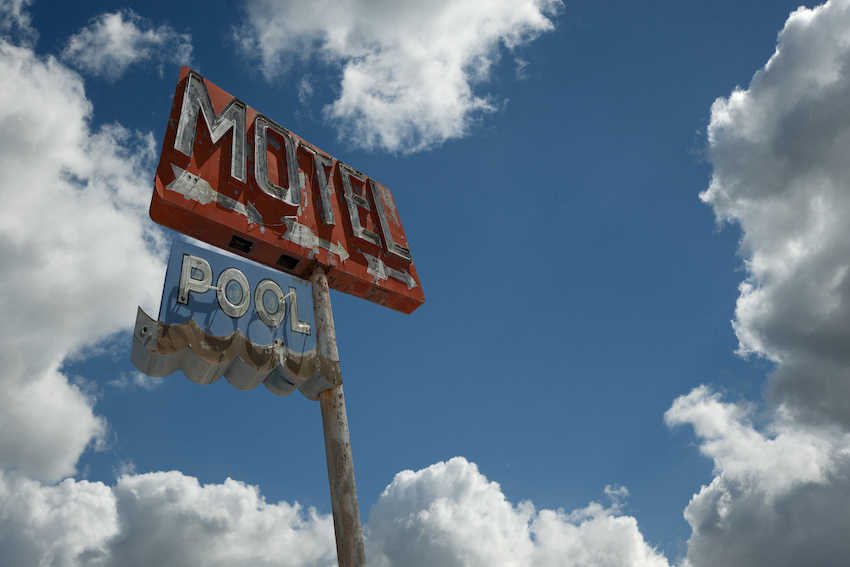
FictionI found Archie by the shallow end wearing a short terry-towelling robe open to the waist. Time and tide had left him shipwrecked and bloated, but you could still recognise him from the pictures on his album covers: same dark pouf and ducktail and duotone tan, only now he got his colour from a bottle and his hair from a can. He’d been drinking gin and tonic since happy hour started, brought out by an over-attentive waitress.

The supper
Poetrywhere Sacrificer and Sacrificee, still fragrant with the Blood of Morning and Harvest, gather by twisted Beak and crooked Hand
