
Featured in
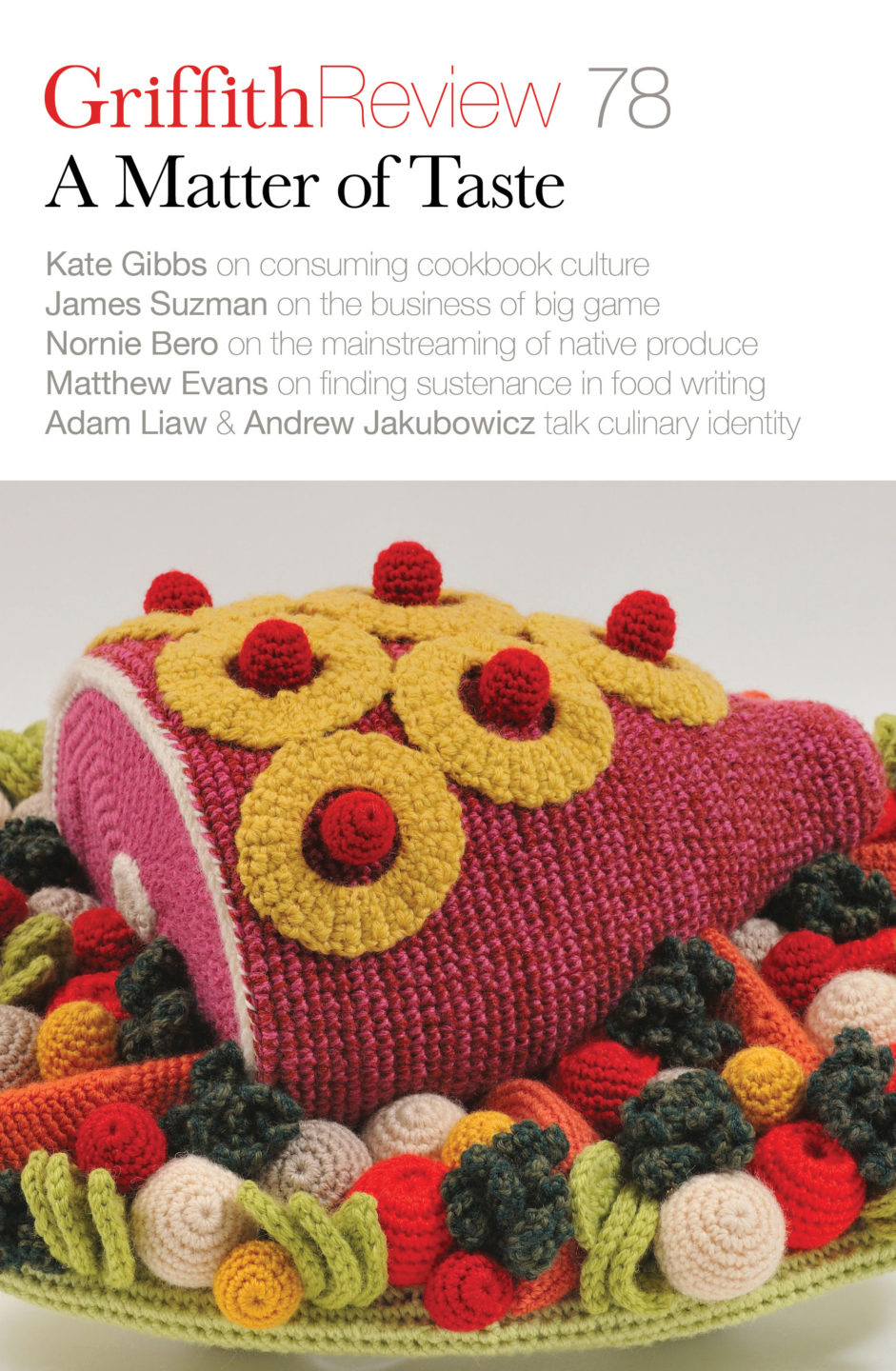
- Published 20221101
- ISBN: 978-1-922212-74-0
- Extent: 264pp
- Paperback (234 x 153mm), eBook

Already a subscriber? Sign in here
If you are an educator or student wishing to access content for study purposes please contact us at griffithreview@griffith.edu.au
Share article
More from author
We need to talk about the northwest
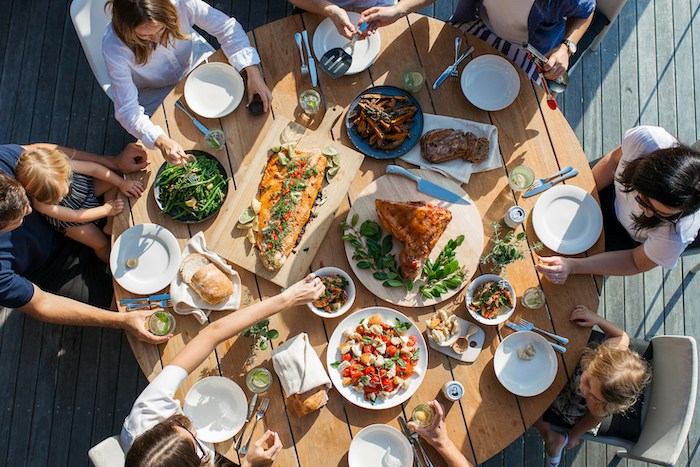
Essay IT HAD BEEN raining the first time I visited far northwest Tasmania. Which isn't unusual. Rain, that often-fickle decider of rural fate, falls regularly...
More from this edition
Fallen apples
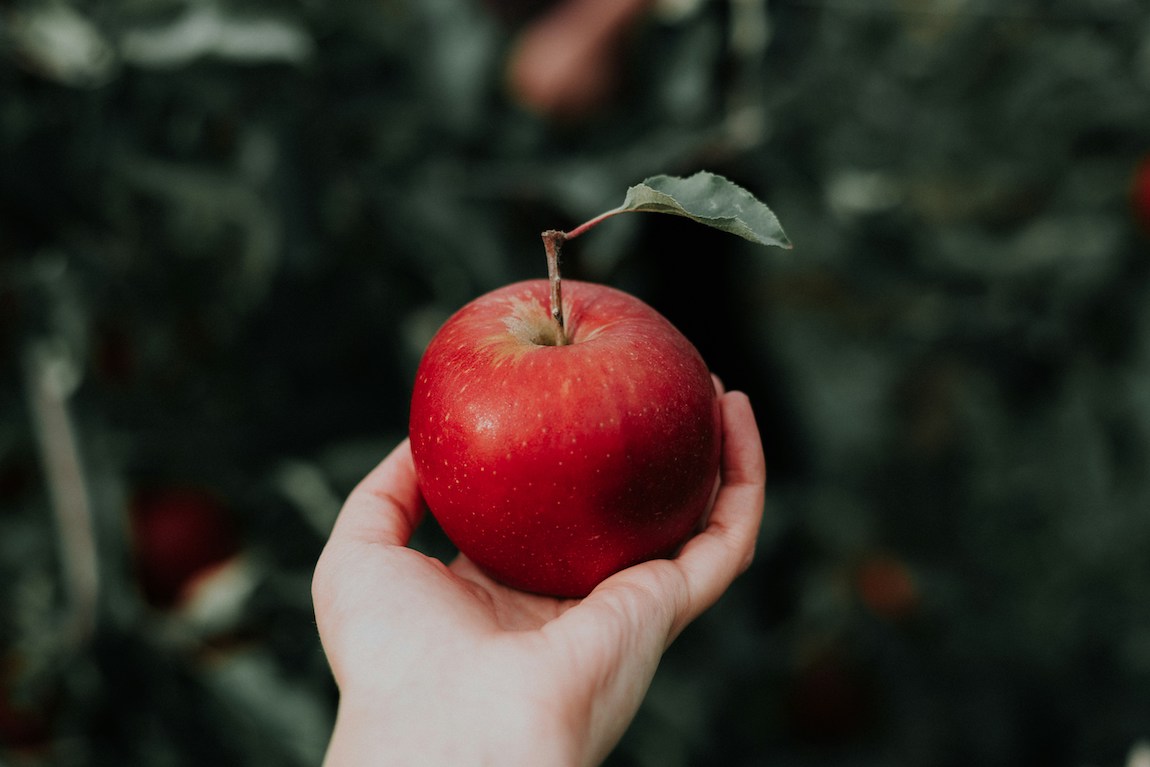
EssayFrom the twelfth century in Western Europe, the apple, scientific name malus, became the forerunner for the unidentified forbidden fruit from the Garden of Eden, probably because its symbolism was already well established in Norse and Greek mythology, and the wordplay was irresistible: malus derives from the Latin word malum, which meant both evil or wrongdoing and fruit plucked from a tree.
The party for Crabs
FictionAs she lists the night’s specials, Claire attempts to figure out the party’s dynamic. Shared complexions make the elegant woman the little girl’s mother, surely. It’s the women’s relationship she can’t figure out. University friends? Distant cousins? Their conversation seems too polite for either. Unnatural.
Confected outrage
EssayMany of us can name our favourite childhood lollies. But what if a lolly’s name, or the name of another popular food item, is out of date? What if it’s racist, harmful or wrong? What happens when the name of a lolly doesn’t work anymore?
