Black love matters

Thick love, thin love and an ethic of love

Featured in

  • Published 20240507
  • ISBN: 978-1-922212-95-5
  • Extent: 203pp
  • Paperback, ePub, PDF, Kindle compatible

I WOULD LIKE to love my mother without feeling, to perform the rituals and duties of filial care without the risk to heart of hurt. Mine, I am ashamed to recognise, is a thin love that loves small, loves just a little bit. Love for someone like me – a middle-­aged, middle-­class, privileged woman with a comfortable life and a job I find endlessly fulfilling – should be easy. But, like so many of my female friends, I am afflicted with Asian Daughter Syndrome, and after a lifetime of being a second mother to my family, I can’t shut up the loathsome whiny voice of the self-­pitying child in my head, squatting behind my left ear, hand out and begging for visibility, wanting ‘mother’ to be a verb as well as a noun to me.

We tend to understand and experience love first as a helpless emotion and sensation, then as the deliberate decision to fulfil the obligations of caregiving and self-­sacrifice for the benefit of those we choose to love. Both emotion and choice emanate from within and beyond the self. The feelings of romantic love surge through our bodies like a heart attack but also seize us from without. The helplessness, the lack of control over feelings are captured by a vocabulary of accidents, insanity and catastrophes. I fell madly in love. I was overwhelmed, I was swept away, I was consumed by love. Romantic love is hunger and thirst, madness and blindness, flood and fire in our fiction and media.

Already a subscriber? Sign in here

If you are an educator or student wishing to access content for study purposes please contact us at griffithreview@griffith.edu.au

Share article

About the author
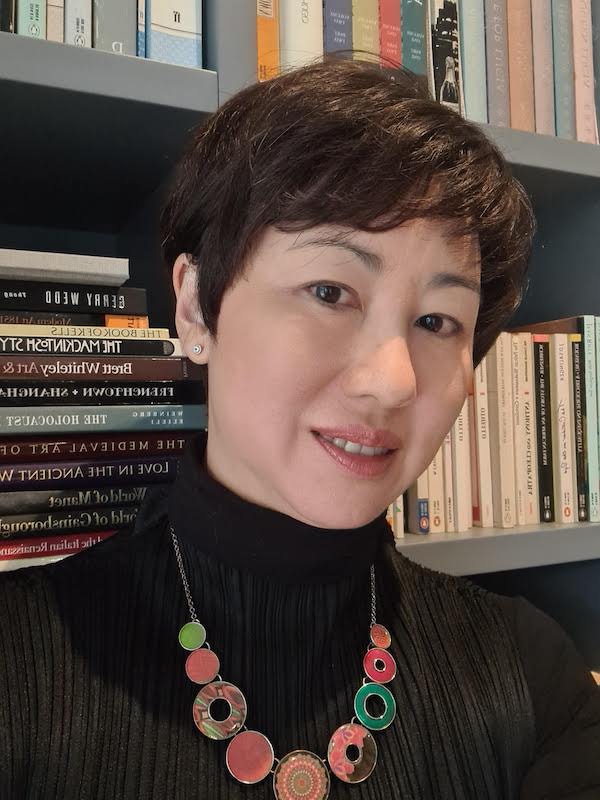
Hsu-Ming Teo

Hsu-Ming Teo is a professor of literature and creative writing at Macquarie University, and the author of Love and Vertigo (2000) and Behind the...

More from this edition

Past-­making within the present

In ConversationThe Marranbarna Dreaming story is a central story to Gudanji, and that essential story forms our beingness. My kids grew up hearing that story from when they were tiny babies – they heard it through my words and they heard it through the words of their grannies, so they could embed the story within their own sense of identity and then retell it. Both of my girls are mums now, and they retell that story to their daughters all the time, so it just becomes a normal part of who and how they are as Gudanji people.

Survey

FictionBut I have long lost my personal thread to this place, I realise, and thinking of this loss I almost feel mournful for a former life I see now as though in the third person, a life belonging to an altogether different man. Perhaps it is for the best that those old threads are cut, for it means I am free of them.

Origin stories

Non-fictionI CAN MAP your life by what was lost. History (personal and other). Culture. Language. Identity. Home, and all the references to you that it could have held. The very idea of home. The streets you would have walked down, streets that know the history of your family, of those who came before you. The chance to be the version of yourself who grew up with your biological family. The stories that should have been your birthright.

Stay up to date with the latest, news, articles and special offers from Griffith Review.