
Journal
Articles

A stitch in time
These tensions between our inner and outer selves, and the layers of anxiety we add when we imagine other people’s (mis)perceptions of who we are because of what we’re wearing, are surely some of the most simultaneously beguiling and brutal aspects of fashion. The right outfit can drop the veil between who we believe ourselves to be and who we want to become; the wrong one can be like showing up in fancy dress and realising it’s not that kind of party.
Behind the seams
THESE PODCAST EPISODES, which you can listen to via the links below, gather the voices of just a few...
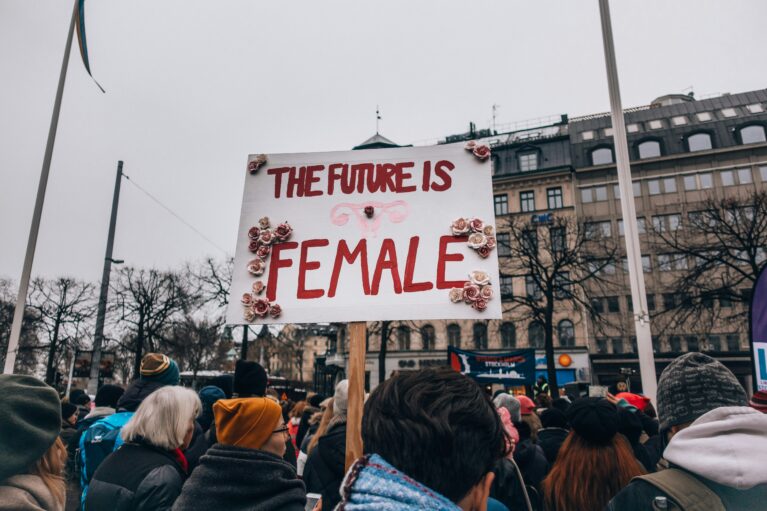
Ladies who doth protest too much
TERFs speak with self-appointed authority about the mental health and wellbeing of trans women but fail to explicate reasons for their own obsession with another’s gender. The real question, then, is why are TERFs so concerned with trans women and the way they live their lives?
Shrapnel
On your way home, a postcard on the footpath. You pick it up. On the front is a photograph of the Goulburn Boer War Memorial (unveiled in 1904): a soldier wears a slouch hat, his arms firmly down by his sides, stuck in time.
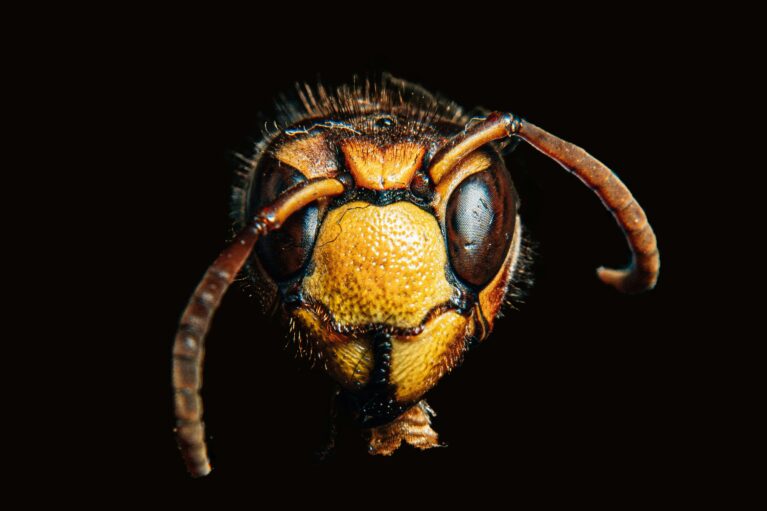
All creatures great and small
Most American adults can now identify more corporate logos than native plant species, and primary schoolchildren in the United Kingdom can name more Pokémon characters than species of British wildlife

A storyteller’s journey
You produce content and people say, ‘Oh, you need to tell people about this, or the Stolen Generations, or the stolen wages.’ We’ve still got to repeat that story, which should have been told and embraced by Australia, as ugly as it is, so we can move on. So, I started telling my own stories for me and my people to remind us what a great culture we have. As human beings, we’re pretty deadly.
Unhappy pairings
Arts, creative arts and humanities courses teach critical thinking, civic discourse, emotional literacy and storytelling. Most students are grappling with rent, menial work and advanced study. In a world that seeks to destroy their attention span, arts courses teach young people to read, think critically and provide historical context and sensitivity to complex issues.
The many tragedies of Animorphs
Animorphs has been out of print for twenty years, yet its cult following remains fierce. If your knowledge of Animorphs is limited to the cover art, I’m sure that’s a bemusing claim to read. However, if you did read the books, then the unlikely endurance of Animorphs is really anything but.
Subject, object
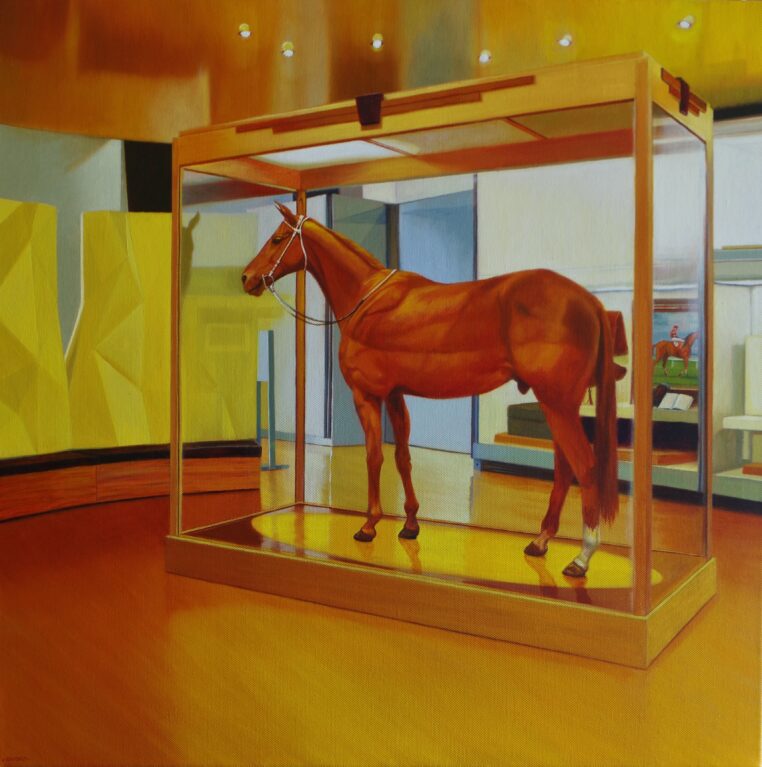
The vivid hues and spiky leaves of Jason Moad’s Temple of Venus – the arresting artwork featured on the cover of Griffith Review 89: Here Be Monsters – raises a tantalisingly sinister proposition. The subject of the painting is clear – a Venus flytrap, realistically rendered – but there’s a somewhat otherworldly quality to this plant, a sense that it might be biding its time, waiting to strike while we, the viewers, are distracted by its beauty.
Real monsters
The language of horror, with its ability to conjure the unthinkable, to trace the contours of our deepest fears and darkest imaginings, can lead us into those shadowy corners of the human psyche, giving us permission to peer into the gloomy space under the bed or creak open the door to the basement. It allows us to sit with the uncertainties of life.
Operation Totem
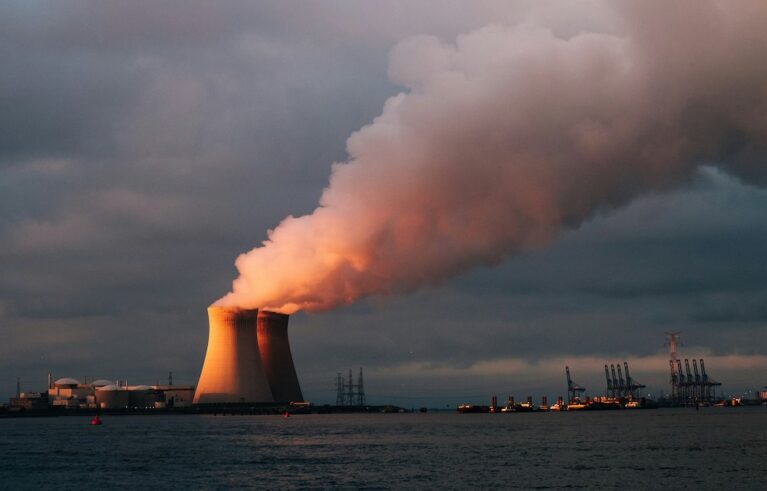
In the 1950s and 1960s, hundreds of atmospheric and underground tests were conducted in Australia, with devastating consequences for First Nations peoples and for the military personnel involved in the tests. And yet the debate about Peter Dutton’s plan to put Australia on a nuclear track barely mentioned this calamity, or indeed the deep antipathy towards all things nuclear to which it gave rise. Struggling to put Dutton’s policy in context, one looked in vain for even a passing reference to Dr Helen Caldicott, Moss Cass or Uncle Kevin Buzzacott; to the Campaign Against Nuclear Energy or the Uranium Moratorium group; to the seamen’s boycott of foreign nuclear warships in Melbourne in 1986; to the massive antinuclear marches of the 1970s and 1980s; to Kupa Piti Kungka Tjuta and its resistance to the dumping of radioactive waste. Indeed, one looked in vain for any sense of nuclear as a uniquely dangerous technology, or of the ‘deadly connection’ (as Jim Falk called it) between uranium mining, nuclear reactors and the development of thermonuclear weapons.

A nation’s right to remember
In a 2023 article published in The Guardian, the Australian War Memorial’s newly appointed chair, Kim Beazley, acknowledged, ‘We do have to have a proper recognition of the frontier conflict.’ In an interview with Beazley on the ABC’s 7.30, journalist Laura Tingle reported that of the 27,000 metres of new space in the expansion, the pre-colonial gallery, which includes the Frontier Wars, would make up less than 2 per cent, and asked, ‘Will that be sufficient?’ Beazley’s reply was, again, ‘we need to have that recognition around the country’, while he emphasised that other institutions should play a role in the telling of Australia’s Frontier Wars. A charismatic sidestep.
