
Featured in
I WAS SITTING at the pub in the middle of winter, inhaling steam from mulled wine and listening to a childhood friend trying and failing to explain his job, when he pivoted suddenly to our common interest: soccer. He asked me how the English club I supported – a club I’d once flown to London to watch – had fared in the recent season. Searching for what news I could remember, my mind drew nothing. They’d done well early on, I knew. But what then? I really didn’t know, I told him, stunned. No clue at all.
In fact, I hadn’t caught a whisper of the team or the sport for months. Games are on so late that I typically relied on social media to stay up to date. When I got home that night, I checked the list of accounts I followed. I was still subscribed to all the relevant accounts on the same social media sites that had long made it possible to stream events, but the world game, and my interest in it, were nowhere to be found. It seemed the same technology that had once enabled me to support a team on the other side of the world had now got in the way. What more of me had vanished while my eyes glazed over in front of my phone? Where had my attention been when the algorithms, or recommender systems, pruned and shaped my interests again and again?
THERE WAS ONCE some reward for effort on social media, when our carefully curated feeds allowed our curiosities to roam and discover points of cultural interest that appealed to us. On today’s platforms, the act of choosing has been ruthlessly substituted by the act of receiving. Algorithm-driven entertainment has eroded personal taste by replacing genuine interests with the illusion of choice and shaping a culture of passive consumption. The offerings keep us online by providing something fresh but terribly shallow every time an app is opened – content seemingly disconnected from our identities.
Many of us allow Spotify to select our music, for example, rather than homing in on favourite musicians. What’s worse is that we’ve let the company believe its recommender system outvalues the art it offers. On its mobile app, YouTube greets users with an autoplaying short, replacing the primacy of our tailored homepages – those personal dashboards of offerings based on our manual selections. Since the rise of TikTok, shortform video has colonised every feed. The average internet video is now significantly shorter than the typical pre-shortform length. This matters, because duration signals deeper engagement – the difference between diving into an idea and letting it flicker past – and as we become accustomed to the tide of summaries and snippets, we lose our ability to wade through anything else.
Even platforms like Reddit – once revolving around user rankings – have lost their unique function of collective tastemaking. I created an account for collated soccer highlights, but as algorithms were introduced, this content simply vanished from my feed. In its place were posts of minimal interest but of statistical significance to the algorithm: clips of waffling podcast bros, memes from decades-old TV shows, existential teenage pondering.
What’s most concerning is that the content we used to consume has been weakened by inescapable AI-generated ‘slop’. While some great artefacts remain online – underground journals, rigorous podcasts, citizen documentaries – the wide majority of what we engage with appears to have little effect on us, the stream of content like water washing over a weathered rock. On the train each morning, during my ten minutes of designated scrolling time, I’ve become so absorbed in banishing post after post that, when something interesting finally appears, I feel numb, my impatient thumb already itching to cast it on.
This dopamine engineering is designed to keep us hovering at the threshold of interest. When another hit is perpetually just a scroll away, there’s little benefit to diving deeper into a single post related to your passion. With infinite content at our fingertips, we rarely experience boredom, and that’s a problem. Without any breathing room from constant consumption, we miss the distance necessary to let our attention wander and return to what truly fascinates us. Boredom is a desire to get active that requires conscious, creative examination to resolve. When resolved, it clarifies what we genuinely enjoy and guides us towards a personal taste that anchors our sense of identity. This ‘certainty of self’ acts as a cornerstone in an ever-shifting world. It serves as a compass, pointing us towards the right experiences and pursuits, rather than those imposed by algorithms with no sense of humour, no appreciation for the videos or images it decides you should consume. The conversation with my friend made me realise I’d been shrinking down to a smaller version of myself, a nondescript consumer, unexcitable and acquiescent.
BEING ONLINE DOES not provide the value it once did, but it’s a sad truth that many of us will always be online. Acquaintances of all kinds expect us to be reachable, a social norm that’s quickly forcing the development of survivalist coping strategies. Different devices influence how consciously we consume content. Laptops and desktops do not encourage constant scrolling. The recent revival of dumbphones seemed to promise a release from content captivity. However, beyond the few who use them – and happily let you know it – most people aren’t willing to commit to the downgrade in capabilities. To go entirely phoneless now seems impossible. Banks exist primarily as apps, menus unfold through QR codes, and multi-factor authentication locks away workplace computers and government services.
So, if we have to be online, we might as well enjoy being online by revitalising digital activity and chasing our own interests. But where to begin? An effective strategy for conscious consumption is reversing the outsourcing of choice. Here’s something that worked for me: I gave up on algorithms and consciously rebuilt my digital preferences by finding and saving sources that offer meaningful content: essays, interviews, news. I removed social media apps from my phone and now only use them on my laptop, navigating directly to each account I have chosen to follow. Most arduously of all, I’ve tried to break the habits of scrolling and refreshing. Simply sitting with each video or article for longer has brought improvements beyond concentration as digressive questions and thoughts sally forth.
Much to my relief, I no longer sit dumbfounded with nothing to offer when a friend asks about one of my lifelong interests. I’ve returned to recounting matches, arguing over selections, laughing about missed goals, finding heated satisfaction in the shared back-and-forth. Curating habits to engage with culture consciously and sustainably enables us to connect with those who share our interests. Treating each cultural crumb as vital – rather than fodder for a brief attention span – affirms our individuality and shapes the boundaries of who we are and who we are not.
It can be hard to tell whether you’ve truly changed or whether barriers hold you back from embodying your authentic self, but this is why it’s vital to reflect on your passions and your values.
Rediscover taste, and, in doing so, rediscover yourself.
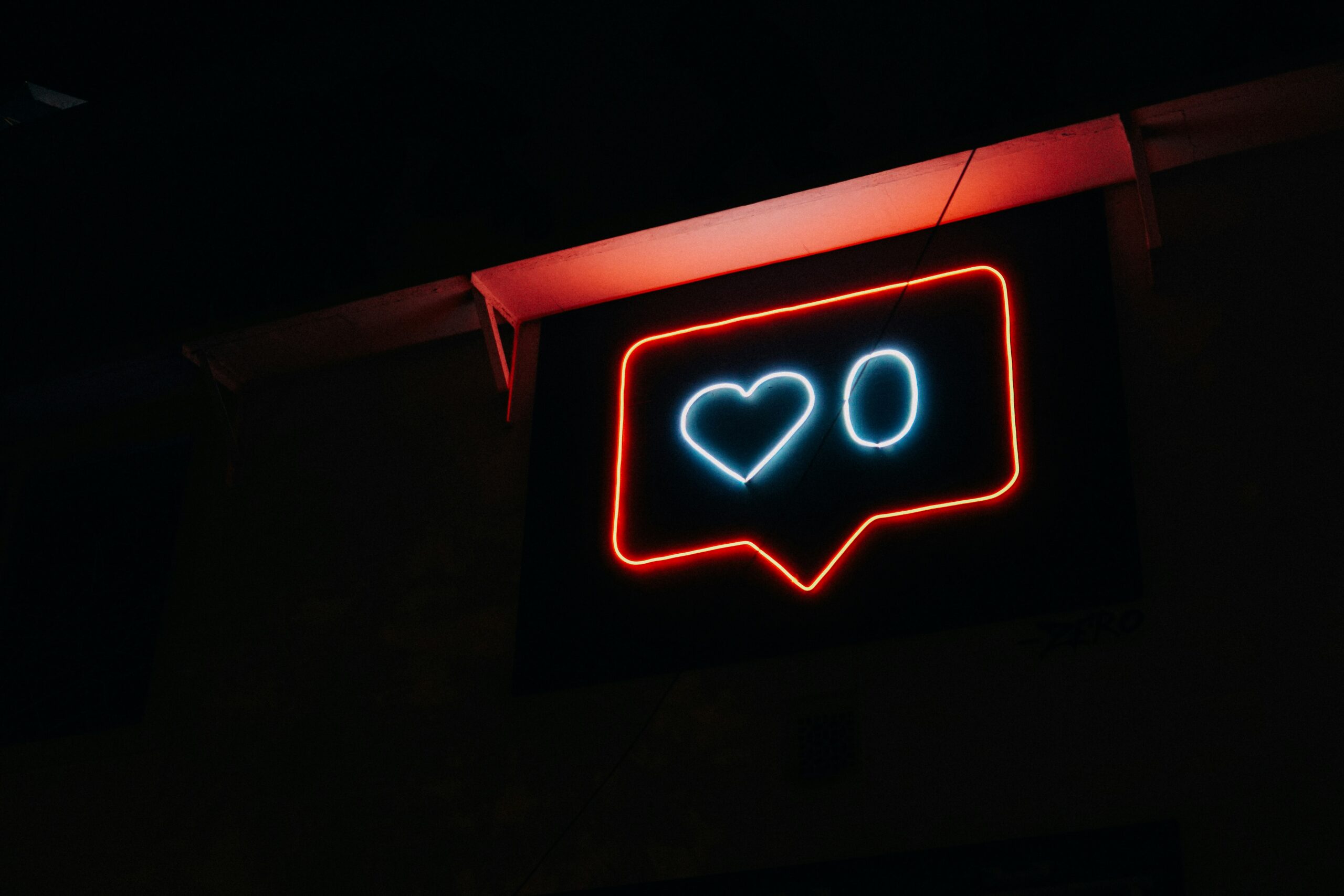
Image courtesy of Prateek Katyal via Unsplash
Share article
About the author

Ned Lupson
Ned Lupson is a freelance writer, journalist and editor based in Melbourne. He is a co-founder of Varnish Literary Journal.
More from this edition
