
Featured in

I begin my day with a quiet moment: so mindful.
Centred. I whisper a mantra.
Shape a mudra – it’ll fix everything.
Billowing sheets catch sun, warm cheek,
magpie warble and pigeon coo, winged-free,
false floral Mr Sheen turn table mirror gleam.
Devon rim crisps and curls, cut straight
from centre to edgeward ballooning,
snap/crack eggshell punctuates stifled huff
#cleaningcore #tradwifevibes #discountmum #dayinmylife
/
GIRLS ARE TAUGHT to be quiet and competent, accommodating and pleasant, nurturing and helpful. Eldest daughters shoulder the burdens of everyone around them. From the womb to the urn, women fix and soothe; the archetype is wired by social constructs and our environment. We’re fed through a tube filled with praise, like an IV straight into our veins. People always said to me, ‘You’re so mature, so sensible, so smart.’ But the truth was I’d been manipulated, like Play-Doh, into a caricature of someone else’s idea of me. Inside, I wanted to scream, smash, swear like the boys, but that’s not becoming of a young lady, right? I learnt early on that I shouldn’t try to cheat the system.
/
Kettle groans and tea steeps black
Lipton, milk cloud blooms, rhythmic stirring,
arrange neat Kingston and Orange Slice,
brothers uproar, wild and unbridled freedom.
Argue, swear, elbow thrown, fists
locked in bind, roll on floor laughing, muddying fresh vacuum streaks.
Existence of indulgent expression unashamed noise
I step through a choreographed dance
numbness settling into my limbs
dutiful, in silence.
/
Over time, I learnt to derive sustenance from the approval of those who weaponised compliments: each one chipping away at my conception of self until all that was left was a woman who ‘gets it done’ and ‘doesn’t need nobody’. I was ‘good in a crisis’ yet fumbled with phonecalls and lost keys, spiralling into a bundle of tears and self-hate the second I was alone with no one to impress – no praise to ingest. A hollowness seeped into my bones, crippling my identity, sanding it down to only the things I did that served others. When the child–parent dynamic was flipped because Mum got sick, it was framed as an opportunity for growth.
/
Fifth grade, day one, phone alarm wake at 6 am
Got a schedule to keep now,
Lay out twins’ uniforms – shirts, shorts, socks, shoes
Tie their laces, gel their hair, teeth brushed,
More to do
Toasted TV, Weet-Bix piled with sugar
Lunchbox (made the night before)
Water bottle (half-filled, frozen on an angle, makeshift tea-towel insulation)
Wake Mum after Yu-Gi-Oh!
Seatbelts, settled in, Mum reverses the car –
Don’t forget – phone on – safe
Walk them to class, 1F – hurry across bridge to my school
Noisy miner warns – don’t be late!
Precedent set – decade more
Own person, no more.
NO ONE STOPPED for a second to ask me, ‘Are you ok?’ Even if they did, the answer would’ve been an indifferent ‘I’m fine’. For a sense of control, I started counting every calorie and measuring every inch. The whole time, I was told I must swallow my anxiety and be grateful.
/
Poor but fed. Mum sick
and sad, but here…for now.
Homeless, but together.
Survival-mode family turned enemy,
but know not to trust now.
Skin thickened, you took it in your stride.
Uni study piled on
top of domestic duties,
casual work earnings devoured
by household expenses –
Full-time carer, fractured
friendships, no time for fun
attempts at individualism
detriment to others –
/
It was easier for me to grin and bear it and move along and do the tasks and tick off the lists and shove the feelings down into the abyss in my chest, but it got tighter and the pain sharper, squeezing until I couldn’t breathe. Well, forget it then, she’ll do it herself, is more than just a TikTok trend – it’s a cry for help. Women can’t help but laugh at our pain. Stringent self-reliance isn’t a cute quirk or manifestation of girl-boss energy; it’s a trauma response to prolonged emotional neglect.
/
Tug-of-war between them and me
battling for boundaries,
vultures (family, society, the incessant patriarchy)
stripping meat from my carcass
harvesting salt from my tears.
I sought a smidgen of recognition
I wasn’t responsible for everyone else’s problems –
not a mother, carer, therapist, nurse, problem-solver.
How could I fashion a ‘self’
when I’ve been cosplaying this whole time?
I can’t satisfy them and me.
We pretend we’re unbridled
and there ain’t no bit wedged between our teeth
let me assure you,
we grind our teeth down to stumps in our sleep
IN MY LATE teens, my life felt like a play. I was a trained thespian reciting lines for a screeching audience of family, friends and faint-hearted men, hoping I wouldn’t get booed – how devastating that was to my self-worth. My body was controlled by a people-pleasing alien. I had to cut it out. Block the people out. Dive into a pool of printed pages.
/
Booklight illuminates
Verse of similar fates
Suddenly resonates
Plath and Dickinson
Weaved streams of similar opinion
Cracking moulds and shredding dominion
/
Poetry has power. Speaks to lost souls. Inspires change. When I found the words to articulate my experiences, it began a deep healing process. Stringing together images and feelings and thoughts, I explored and interrogated burdens and dread, penning phrases and images of cellophane identity – strike-through, crumpled paper, thrown in the corner.
/
Trapped in a sound-proofed cave,
I plucked insult and critique
shame from my brain
swirled them into shapes on a page,
fashioned verse from the hurt,
turned trauma inside out, examined every
speck under microscope and tear-stained shirt
searched through grit
attempted to assemble grace.
Like pulling weeds, taught myself to pluck
until I’d laid the brambles bare
inspected shrivelled stalks for sense.
/
I tried again, over and over, to visualise and describe the way ‘women’s roles’ and ‘patriarchal ideologies’ reduced me to a performer of free labour. Tried to take control of internalised gender norms and transmuted outdated burdens of self-worth tied only to what others thought of me. I didn’t need to grin and bear it with poetry – rumination, regret and rage could be transformed by the vowels and syllables of strings of verse, stitched together with healing thread. I was a pebble, skimming the surface of a deep, dark lake – a metaphor to interrogate. Free verse, in particular, facilitated poetic freedom: there’s no rigid structure, no need to fit my ideas into a set mould. I let it all live in the lines.
/
Skip, skip, skip…
That’s what pebbles do.
Shiny. Smooth. Coarse. Grooved.
Skip, skip, skip…
That’s what I’m expected to do.
Shy. Aloof. No thoughts. Brain-removed.
Skip, skip – plop.
Dark, sharp, descending – drop.
Down, sshh…relenting – stop.
Lobotomise me, please!
Like those frail girls, marred,
by inexplicable neuroses.
I’m too heavy, jagged, cracked…
to skip beyond moss-slicked crags.
Stuck – I erode among the reeds.
/
I found it relieving to dump my baggage on the page, to tinker with social norms, to externalise my pain – to find solace in the meditation of art. Through poetry, I investigate my trauma and my triggers. I lay myself bare on the page. It’s not always easy. Sometimes, it’s like a game of Operation – sending shocks through my calcified bones. But, through writing, a healed reality is possible.
The self-awareness I cultivate through poetry bleeds into all the hollow crevices of musts and shoulds, and now it shields me from people who expected me to adhere to patriarchal norms, to become the ‘carer’ for others at the cost of my own identity and life. Now I hold steadfast to very reasonable boundaries: no more unpaid labour, zipped lips, time sacrificed, burdens shouldered for people who don’t appreciate it – no more emotional blackmail.
I am enough.
This piece was commissioned by Kyrah Honner at State Library of Queensland’s black&write! project.
Image credit: EEve88 via Pixabay
Share article
About the author
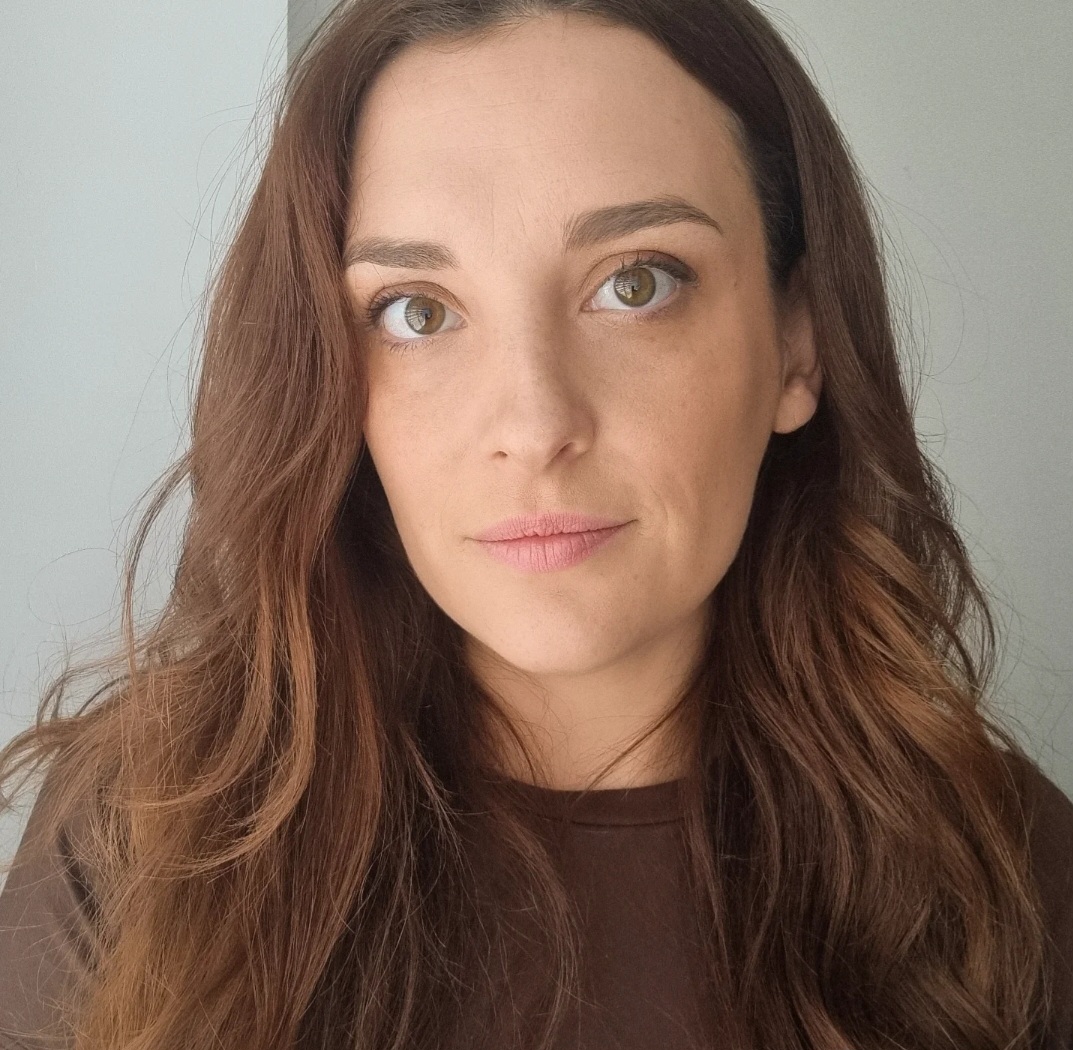
Amanda Lott
Amanda Lott is a writer of Bigambul and European heritage who writes brooding and morally grey characters in gritty and gothic settings. She was...
More from this edition
