
Edition 90
Best Dressed
- Published 4th November, 2025
- ISBN: 978-1-923213-13-5
- Extent: 196pp
- Paperback, eBook, PDF
No matter how much or how little you care about what you wear, your sartorial choices are inextricably stitched into your social, cultural and personal identities. Clothing not only dictates how we define ourselves and relate to others – throughout history, it’s also been a mode of expression, resistance, revolution and disruption.
Put on your Sunday best for Griffith Review 90: Best Dressed, which goes behind the seams to unpick the many paradoxes of fashion.
This edition includes an exclusive four-part podcast series by journalist Matthew Abud, sharing the voices of just a few individuals among the many tens of millions who make our clothes in factories across Asia.
Edited by Carody Culver with contributing editor Maggie Zhou.
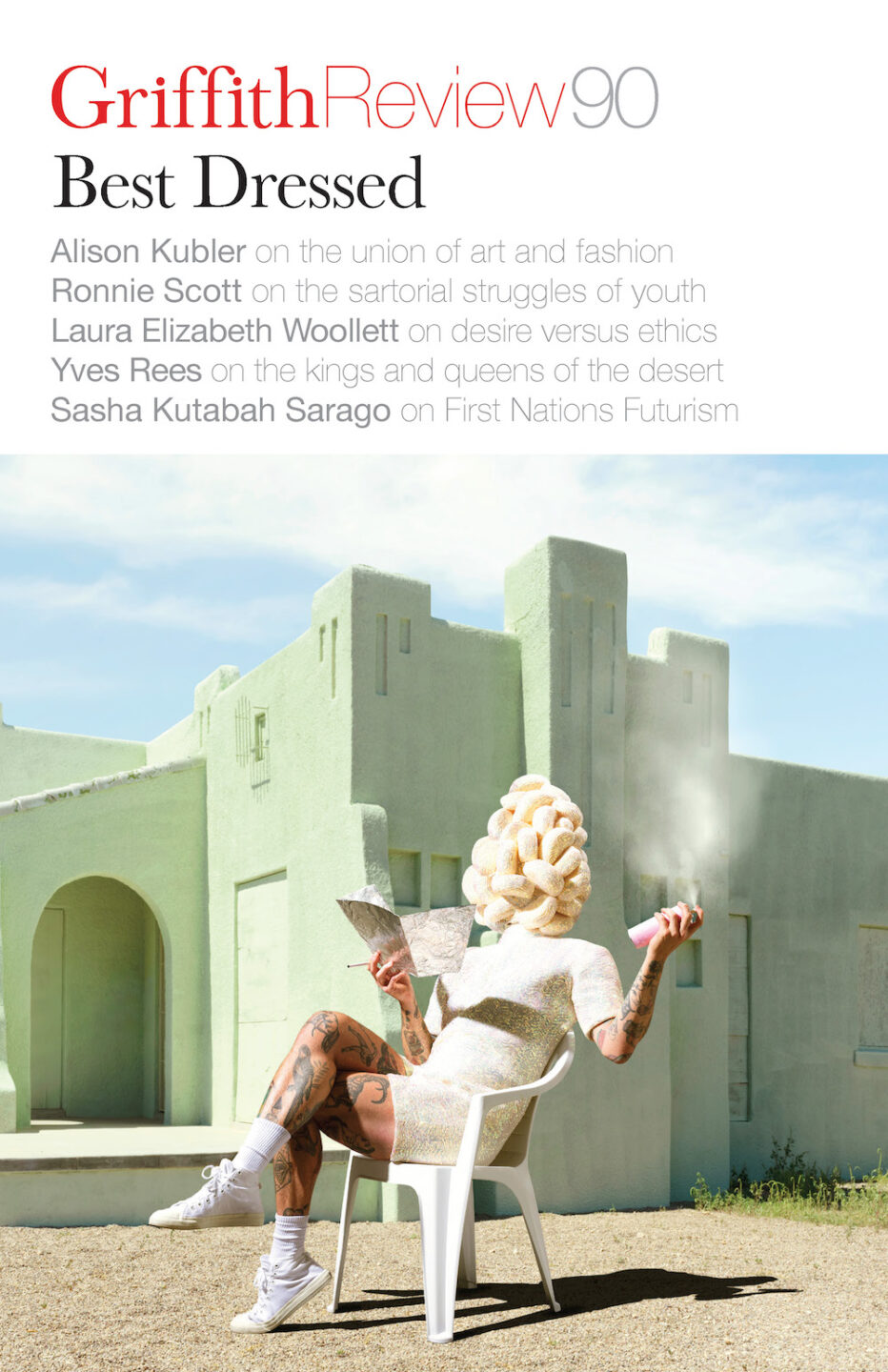
Cover image: Gerwyn Davies Adobe (2022), archival pigment print, edition 5+1 AP
In this Edition
Perfect match
Art and fashion have long been co-conspirators, collaborating commercially and creatively to mutual benefit since the early twentieth century. At first glance, the disciplines appear to be fundamentally opposed. Where fashion has traditionally been seen as fickle, transient and driven by popular culture trends, designed to make itself redundant with each new collection, art is understood to be more thoughtful, intellectual and elitist, in pursuit of longevity – the nobler pursuit, owing to its intellectual and philosophical origins. Fashion embraces reinvention to make itself relevant, responding to consumer demands and the commercial imperative, whereas art, born of an artist’s creativity, has historically been regarded as the higher form, one that does not necessarily depend upon financial gain, nor require money for its creation.
Of course, these are outmoded, romantic notions – absolutes. Art is a commodity like any other, bought and sold as an investment. Art and fashion are economic systems with a great deal in common: both exist because they can, not because they serve a practical purpose.
Sovereign forever
I didn’t see many First Nations designers when I was growing up, but I suppose my saving grace was the few Black models working in the industry, such as Naomi Campbell, Tyra Banks, Iman and Veronica Webb. They introduced me to luxury fashion, and I’d cut their pictures from magazines and plaster them on my wall. I’d study the unique tailoring and signature styles of the clothing they wore. Without even realising what I was doing, I’d started creating my personal lookbook to capture what I dreamed of wearing one day.
That J-Lo dress
I find high fashion fascinating, in particular what the beautiful people wear on the catwalk or the red carpet. Just as compelling, to my mind, are the twin pillars of fashion industry gossip and business analysis, including what clothes might reveal about culture and society. Take the famous J-Lo dress: diaphanous green material slit to the waist in both directions, held together by a big jewel-encrusted broach, worn with sparkly panties and strappy heels (please admire my technical knowledge). This is the dress J-Lo wore to the 2000 Grammy Awards. I mentioned that it broke the internet.
Go west
This fever dream of an afternoon is a standard Sunday at Broken Heel, the drag festival in the desert where queer culture meets outback Australiana. Held over a long weekend in September, Broken Heel is a five-day extrava- ganza hosted by Broken Hill’s Palace Hotel – the pub that makes a cameo appearance in Stephan Elliott’s iconic 1994 film, The Adventures of Priscilla, Queen of the Desert. Conceived as a tribute to Priscilla, which was largely filmed and partly set around Broken Hill, Broken Heel was launched by Palace owner Esther La Rovere in 2015 to coincide with the film’s twenty-first birthday. Nine years later, the drag festival had become an annual institution, attracting thousands of punters from around Australia and overseas. Thirty years after Hugo Weaving stopped traffic on Argent Street with a pink thong dress and matching wig, this storied mining town with a pub on every corner welcomed a veritable deluge of men in muumuus.
Dress right, act right
In The Fashion System, Roland Barthes argues that clothing is never just functional or decorative; it’s always a language, a system of signs. The revival of prairie-style high necklines and nunnishly low hems is a semiotic gesture that can’t be divorced from its meaning. Joan Scott’s theory of gender as a historical sign system is also useful when analysing the forms and silhouettes that mark this new (or, rather, old) style era: in resurrecting the prim-and-proper silhouettes of the ’40s and the flouncy A-line dresses of the ’50s, with their exaggerated waists and corsetry-inspired bodices, we act in subtle ways to reinscribe historical gender roles.
Body doubles
While Borisov’s softcore porn captivates a global audience, Meta, Instagram’s parent company, polices other accounts it claims are sharing ‘sexually suggestive’ content. In 2019, Salty – an online newsletter and platform for women, trans and non-binary people – released research that indicates certain marginalised groups – such as women, sex workers, people of colour, plus-sized creators, and members of the LGBTQIA+ community – appear unfairly patrolled online when it comes to the sort of content they post. I myself have received ample warnings from Meta given I write regularly about women, abortion, sex and its many hiccups.
The trenches
The first time we visit Elie Wiesel Square on a weekend, I’m staggered by the density of modish young families: neat-hipped milfs in belted jeans and little embroidered jackets; lightly stubbled dilfs in tailored, earth-toned clothing; children dressed either like something out of Frances Hodgson Burnett or a Yeezy drop. One lambent-skinned mother in a soft-looking oatmeal set, rimless oval sunglasses and a geo-print headscarf in as many shades of brown as a chocolate box, snaps photos of two little girls in matching oatmeal smocks, white stockings and shiny black Mary Janes, their long black hair in intricate braids.
Buyer beware
I’d heard murmurings of the quality crisis, noticed things here and there in my own purchases. But it wasn’t until I consulted shopping subreddits, TikToks and Instagram comments that the scale of the issue became apparent. Brands of all sorts were implicated. Items were stretching out, losing their shape or fading after a few washes; jumpers were rapidly pilling; dresses turned out to be sheer in daylight; shirts would refuse to relinquish oil stains. Everyone seemed to agree: clothes were better a decade ago.
My body is the gallery – enjoy the exhibition!
CELEBRITY CULTURE HAS slowly eroded the negative connotations associated with tattoos. In the ’80s, punk and heavy-metal rockers used body art to cement their anti-consumer images into mainstream minds. Since the turn of the century, reality TV shows including Miami Ink and Ink Master have accelerated the normalisation of tattoos. Now, partly thanks to social media, tattoos have become another kind of commodity to show off to the world. Outside of the job stoppers (hands, neck, face), tattoos can be seen on lawyers, corporate drones and even White House staff.
But tattoos have always been more than fashion statements. They connect people to subcultures. They express commitment to particular ideals and fandoms. They’re the ultimate form of self-expression. Even a tattoo you get impulsively can make a statement. Tattoos become stories shared at social gatherings. Icebreakers to get the conversation going when you meet someone new. Gruelling, painful rituals that highlight how strong the human spirit can be. Dedications to a belief or a thought or a love that you wish to always be reminded of. Signifiers of who you are.
Suffer for fashion
There were plenty of boys in Brisbane in 2001 who dressed in attentive and interesting ways. But you’d have to be sure of yourself, which I wasn’t, or you’d have to have been straight. For the rest of us, survival meant the avoidance of colour; you had to avoid flourishes, avoid anything tight, avoid the sense of a considered style. My vision of an appropriate male dresser involved jeans, in the tropical heat, and a T-shirt, again dark. Sneakers were the acceptable form of shoe, skate shoes if you were chancy, with a pair of Holeproof Heroes in black or grey.
Change room
The story currently being told by the vast majority of the fashion industry is that plus-size bodies simply don’t exist. Looking to runways and fashion magazines, I see no bodies that even vaguely resemble my own. Not one B-shaped belly, not one roll, not even a hint of back fat. The shame and isolation that exists around fatness everywhere else also exists on runways, in fashion houses, in shopping centres. In my wardrobe.
Don’t prick your finger on a spindle
Before the witch hunts, women participated in many professions – they were brewsters, blacksmiths, teachers, court poets, merchants and craftsmen. Beginning with the Renaissance, a combination of social, legal and cultural forces changed this. Fear of being labelled a witch meant fewer women would work outside the home to earn a wage, leaving them vulnerable to impoverishment without the financial support of a man. This systematic exploitation of feminised workforces is one we’re still living with hundreds of years later.
Coat tales
We throw a spotlight on everyday menswear in twentieth-century Australia here because even though commentators have often conjured quick impressions of it in passing, it has less often been a subject of contemplation in its own right. Exhibitions and discussions of dress in Australian contexts have focused more on the feminine and spectacular. This emphasis means that the more mundane ways in which social and economic power relations played out through menswear have largely slipped from view.
No scrubs
WHEN FLORENCE NIGHTINGALE’S band of thirty-eight nurses set sail from Folkestone, England, on 21 October 1854, each woman was carrying a trunk containing aprons, badges, caps, two types of bonnets, cloaks and shawls, Derry wrappers, linsey-woolsey gowns, petticoats, stays, sleeves, shifts, gowns, nightdresses, stockings,...
Standard issue
The first thing nurses get us new admissions to do is change into a gown – standard issue. It’s not what I’d call comfortable, exactly; it’s not even about dignity. It’s about access. If your condition suddenly becomes critical, doctors need to get to your body fast. Even so, when I’m allowed to leave later that afternoon, I tear off the gown and pull on the clothes I arrived in.
The little black book of black dresses
We see black in so many ways: as boldness, as strength. We see it as playing grown-ups, as a coming of age, as an expression of grief, as mourning, as a power to reclaim from those who took from us the selves we once wanted to be. As I sit now, to finish this essay, I can no longer recall what happened to my first little black dress, how old I was when I stopped wearing it, who I might have given it to, or why it was so emblematic in my mind of black dresses as a whole, when in reality there were likely many other black items in my wardrobe from many years before.
Killing me softly
Camellias, carnations, chrysanthemums, daisies, daffodils, dahlias, gardenias, hibiscuses, lilies, magnolias, pansies, peonies, poppies, roses, tulips and more: perhaps we wear them complacently or ironically – or consider any symbolic associations as feeble, irrelevant or outdated – yet we cannot totally outrun, or outpunch, the connotative powers of a floral dress. Nothing signifies a well-behaved, compliant woman with no rough edges or anger-management issues quite like a pleasant and inoffensive arrangement of petals on a skirt. The signifier, however, is often a disingenuous and deficient representation of the signified.
Sanford Meisner
TO HELP THE Year 10s reconnect with their craft after the September school holidays, Hale has them do Viewpoints. They pad around the room and engage their cores. They modulate their movement (by sitting, standing, sprinting, jumping, shouting GAH!) only when they feel the...
Hat trick
BEFORE THE CALL, I was a girl in a new city, with a new job and a roommate I chose over FaceTime specifically because it seemed like she’d be at her boyfriend’s place a lot. After the call, I was someone who didn’t have a dad. I...
The jacket
DOUG CLOUDY WAS desperate for it. He hadn’t been laid since the backpackers came through town all those years ago. Even then, he’d only got lucky because he was the designated driver – a social class that even the tourists could sniff out as lowly...
Totentanz
We are loose now. We peel our skin veil by veil to what lasts longer. To the pulse of rib and knee and knuckle we step into death looser, stronger. We are free now. We take each step away from earth into air, lighter. ...
ode to Kylie’s gold hotpants
50p at a West London flea market. rumoured to be worth 10mil. see those ruched metallic folds behind bulletproof glass at The Arts Centre Melbourne. you’ll never get closer than this. the gossip mags say Kylie’s butt insured for a cool 5mil. surely one of the...
clothing is a language
Fashions fade away like epidemics once they have ravaged the imagination. – Jean Baudrillard day after day we change into clothes we change into clothes and clothes change on us some bodies wear endless coordinates other bodies fewer options basic clothing (functional) consumer decisions (capital) show hide (reversible) pleasure (style and texture) pressure (system) alterations (alter egos) freedom...
Change of clothes
I used to ask to be dropped off a block early flee the dumpster that somehow grew wheels evade the goodbyes from a dad wearing a Best & Less shirt time to practise how to say Dunlop Volleys were a style choice enjoying the squeeze of conformity of...
Featured Contributors
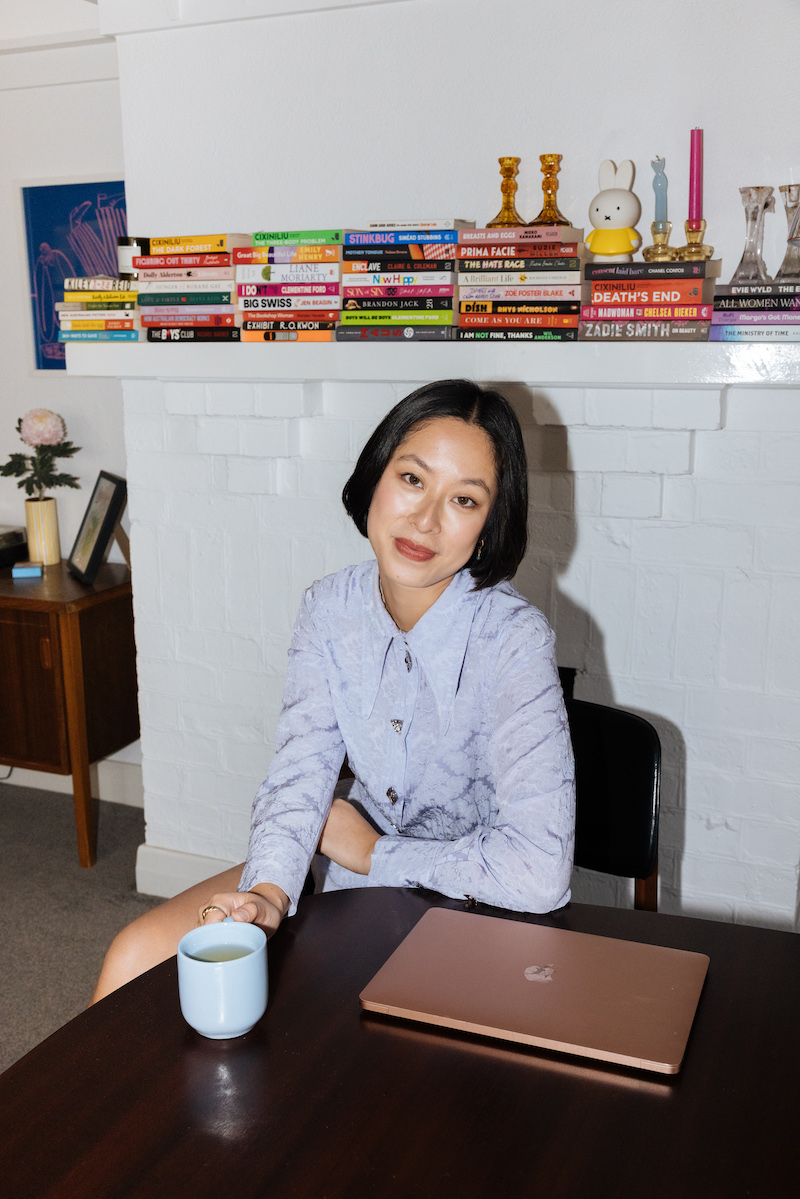
Maggie Zhou
Maggie Zhou is a Melbourne-based freelance writer, content creator and the co-host of the Culture Club podcast. She has...
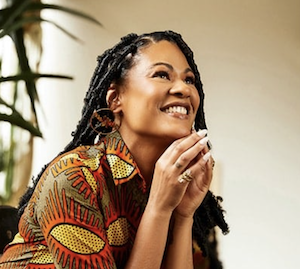
Sasha Kutabah Sarago
Sasha Kutabah Sarago is an author, speaker, filmmaker and innovator. Sasha’s passions also include incorporating First Nations philosophies into...

Alison Kubler
Alison Kubler has a double major in Art History from the University of Queensland, Australia, and a Masters in...
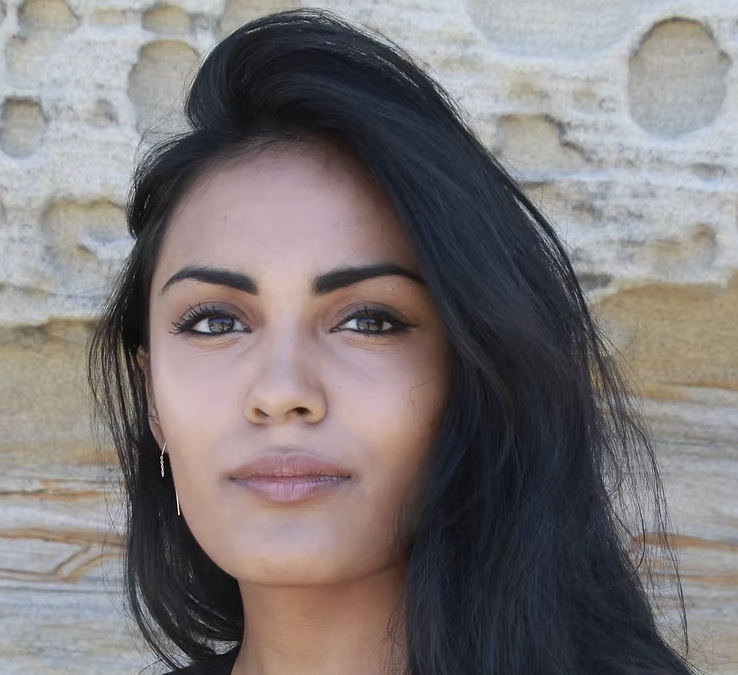
Divya Venkataraman
Divya Venkataraman is a London-based journalist and editor covering the intersections of culture, fashion and race. She is the...
