
Journal
Articles
A new animal
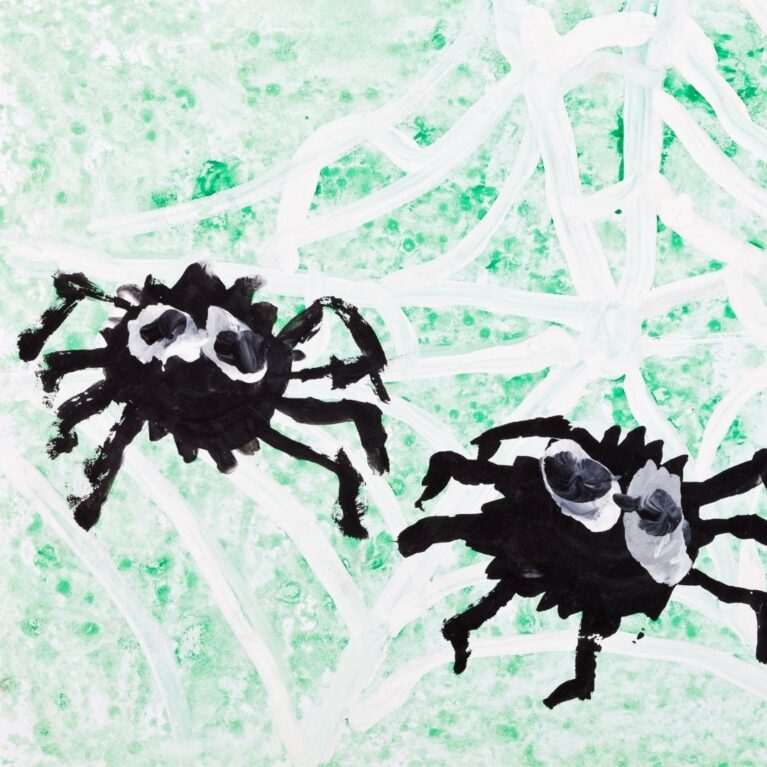
My son has made friends with the daddy-long-legs under the kitchen bench. Each morning I am freshly summoned to ‘um ook at em.’ Come look...

Sell like a girl
If anyone’s going to sell me shit, I reason, it may as well be a feminist: our virtual ‘bestie’ or ‘big sister’. We’re all implicated in the inescapable circuits of buying and selling anyway. This is just women looking out for women, linking arms as we negotiate the inevitable conditions of our lives – the capitalist matrix from which we cannot simply unplug ourselves.

Gabrielle
THIS IS MY address, Gabrielle, to you and to no one else. You are the person I wish to speak to about the tumult of recent weeks. Remember how I told you that when I have my first sentence and have weighed it, then I know I have my piece? I have my sentence now. I have my foundation, I have my structure, I have at last the language that will allow me to speak.

To write, perchance to dream
In fiction, dreams are a useful tool. They are the writer’s divine intervention. Like the famous opening of Daphne du Maurier’s Rebecca, they can reveal the past in eidetic detail. They can make the murmurs of the subconscious plain. Catherine Earnshaw dreams she leaves Heathcliff to enter heaven, only to begin weeping to come back to earth.
Dog house
‘We’re gonna be legends,’ Spook whispered. I thought of the afternoon Dingo told him the plan, the four of us kicking up creek beds after school. How Spook had said the same thing then. The rest of us had listened, poking through the underbrush for toads. I knew Dingo would let him boast. Legends were made of news stories and souvenirs. Schoolboys like Spook were made of lies.
On ‘Evil Genius’ by Catherine Jinks
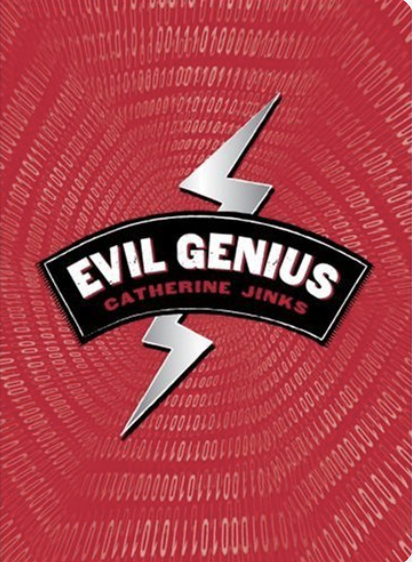
Evil Genius, then, like many novels with a touch of fantasy, dramatises clashing moral codes. It is interested in the nature of good and evil, the opposition between them and the moments when the lines appear to blur.

The tyranny of the gay-stream
Gay identity is not a single, fixed thing. But the flamboyant brand of this identity, which is on display at Pride or Mardi Gras, seems to have become the most important and recognisable version of queerness in the public imagination. When we focus on this entitled, Western version of gay identity, entire communities get overlooked.

The tubs
What was in the tubs that was worth saving, anyway? The journals had already done their job by helping me process my emotions and, perhaps, become a better writer. Really, I could just chuck them out. But as I transferred them into the filing cabinet, my heart rate returning to normal, I began referring to my new storage system as ‘the Elkin Archive’.

An idle moment
In 2008, Finnish performance artist Pilvi Takala embarked on an audacious project called The Trainee. For one month, she worked as a marketing intern at the global accounting firm Deloitte. Instead of carrying out the usual responsibilities expected of this role, Takala did…nothing.

Revolutionary wave
This was the late ’60s, early ’70s and surfing in Wales was regarded by the parent generation as delinquency. It was for losers, layabouts, rogue males. In those early days Welsh surfers numbered around one hundred, congregated on half a dozen beaches down fifteen miles of coastline west of Swansea, known as the Gower. I knew each one of those surfers by the styles they deployed on the waves. So idiosyncratic was early Welsh surfing that out on the road if you saw a car with boards on the roof coming at you, both drivers would pull over for a chat.

The defence
The history of computer science is bound up with the game of chess, whose innate complexity and clearly defined rules make it the ideal proving ground for artificial intelligence. And yet the game not only survived the defeat of Garry Kasparov in 1997 by IBM’s supercomputer Deep Blue, but also seemed to flourish in its wake. According to International Chess Federation figures, more people are playing the game than ever before, and not merely over the internet. Now, as a new generation of AIs aces the Turing test – according to which a machine may be deemed intelligent if the human interacting with it can’t tell if it is a machine or not – it might be worth taking a closer look at chess as a social and creative phenomenon that speaks to the limits of ‘smart’ machines.
We will never be modern
My Instagram feed, an information-stream cosplaying as a hyper-relevant town square, has undergone a radical transformation in the past few years. Whereas once that endless deluge teemed with benign yet revealing snapshots of friends moving through the motions and milestones of life – brunches, holidays, weddings and pregnancies – today’s experience is far removed.
