
Featured in
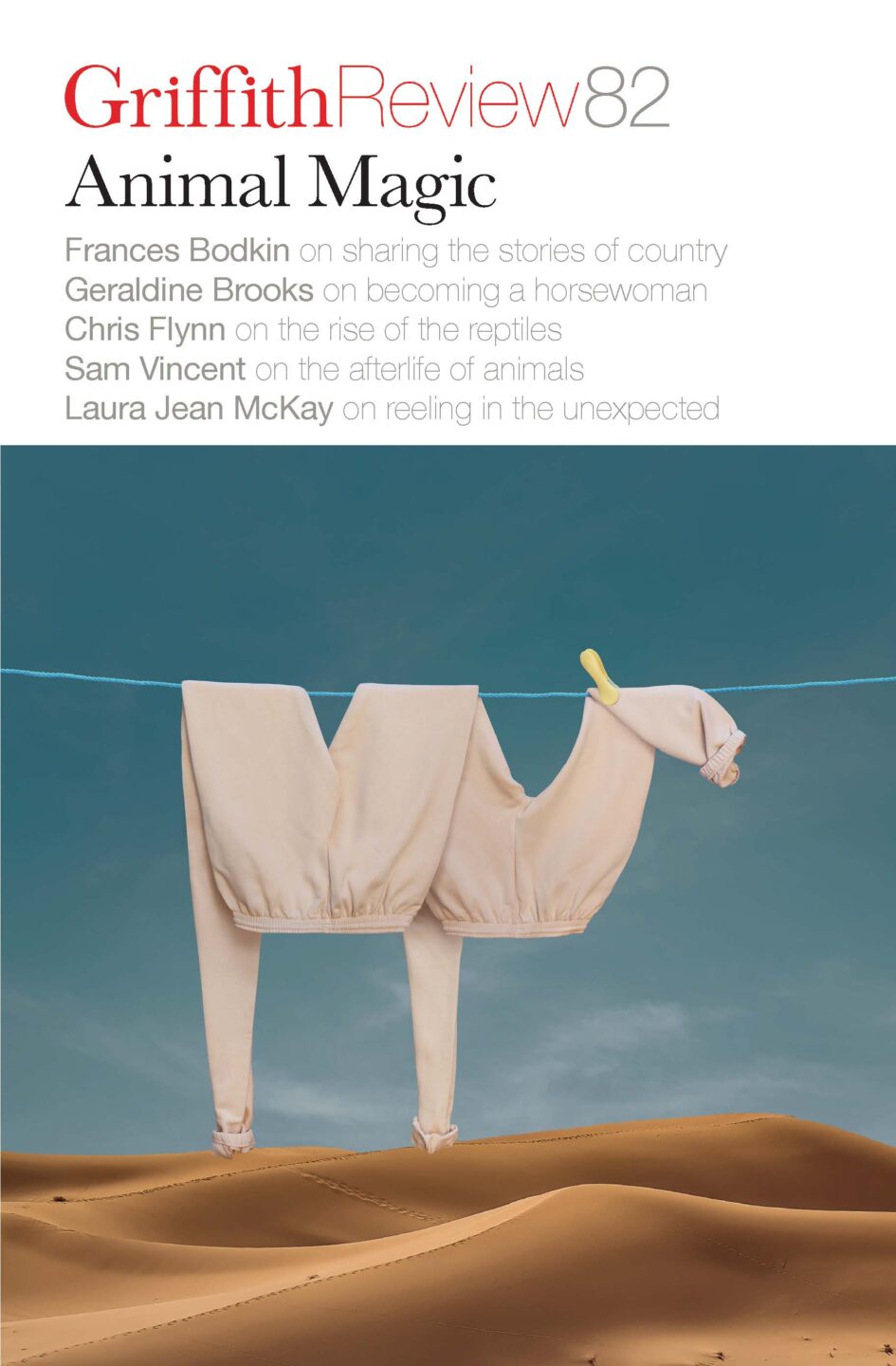
- Published 20231107
- ISBN: 978-1-922212-89-4
- Extent: 208pp
- Paperback, ePub, PDF, Kindle compatible

Already a subscriber? Sign in here
If you are an educator or student wishing to access content for study purposes please contact us at griffithreview@griffith.edu.au
Share article
About the author
Fred Hill
Fred Hill was born in New York City and now lives on Cammeraygal land in Sydney. She has worked across several climate and environmental...
More from this edition
Object permanence
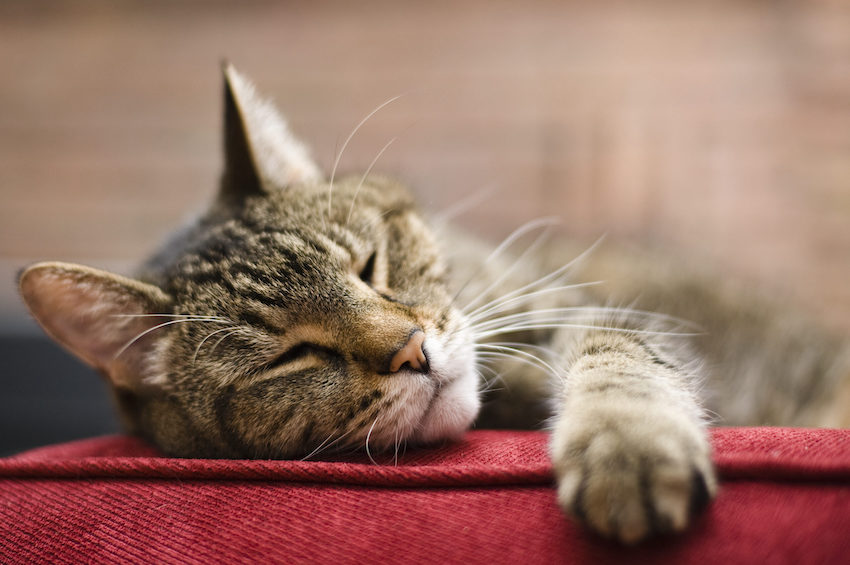
Non-fictionTigger arrived with one eye and a tender but wary disposition, and at first it seemed like the missing eye would be the locus of his mystery. But within a few months of his living in my small apartment, he began presenting strange troubles – back legs listing when he turned a corner, spasms in his resting spine – that were quickly diagnosed as arthritis and diabetes.
When the birds scream
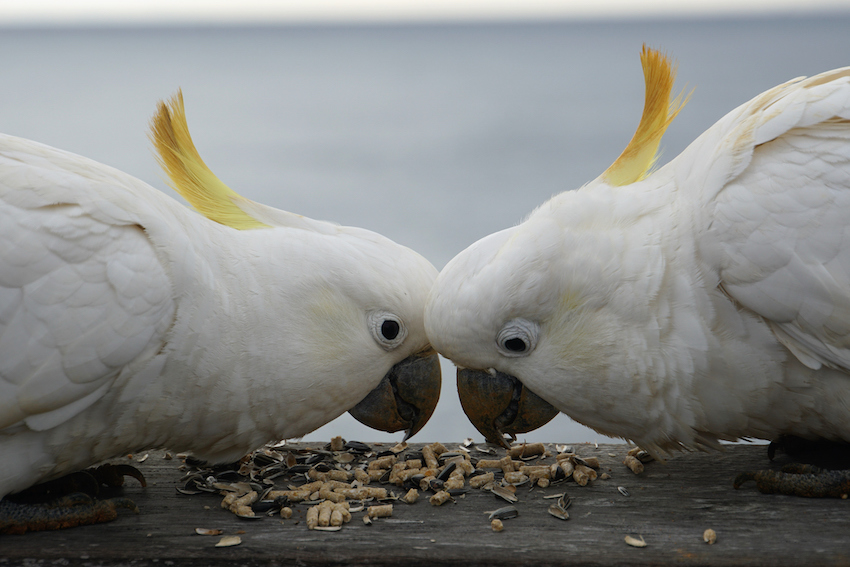
Non-fictionI read books in which girls like me made friends with cockatoos and galahs, and my mum told me stories about my pop in Queensland who could teach any bird to speak and to whistle his favourite country songs. My favourite story was the one about the bird who used to sit on his shoulder while he drove trucks for work.
Where the wild things aren’t
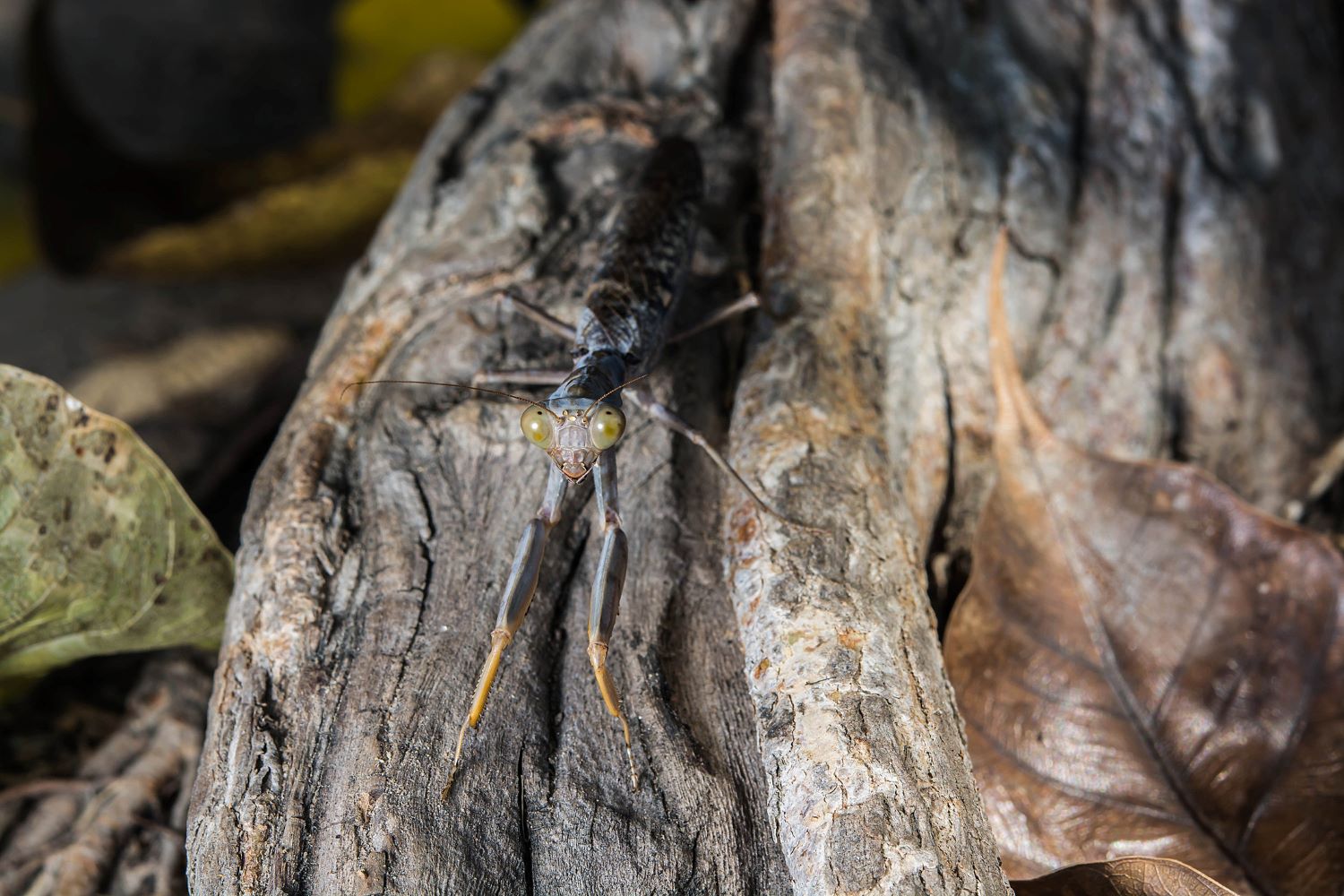
Non-fictionMelbourne Zoo knows that it sits in an uneasy position as a conservationist advocate, still keeping animals in cages, and with an exploitative and cruel past. Our guides for the evening walked a practised line between acknowledging the zoo’s harmful history and championing its animal welfare programs, from the native endangered species they’re saving to their Marine Response Unit, a dedicated seaside taskforce just waiting for their sentimental action movie.
