
Featured in
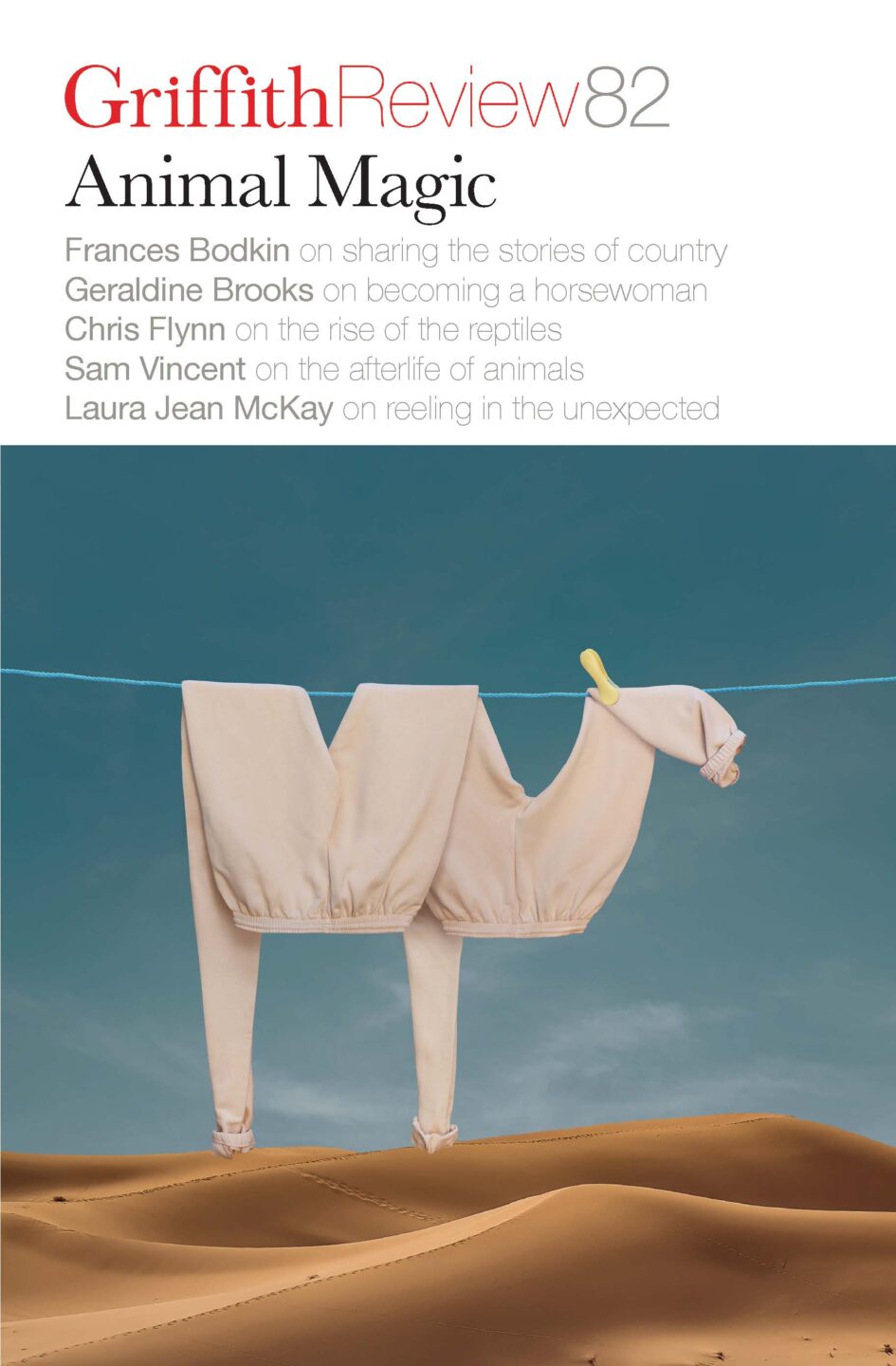
- Published 20231107
- ISBN: 978-1-922212-89-4
- Extent: 208pp
- Paperback, ePub, PDF, Kindle compatible
Already a subscriber? Sign in here
If you are an educator or student wishing to access content for study purposes please contact us at griffithreview@griffith.edu.au
Share article
About the author
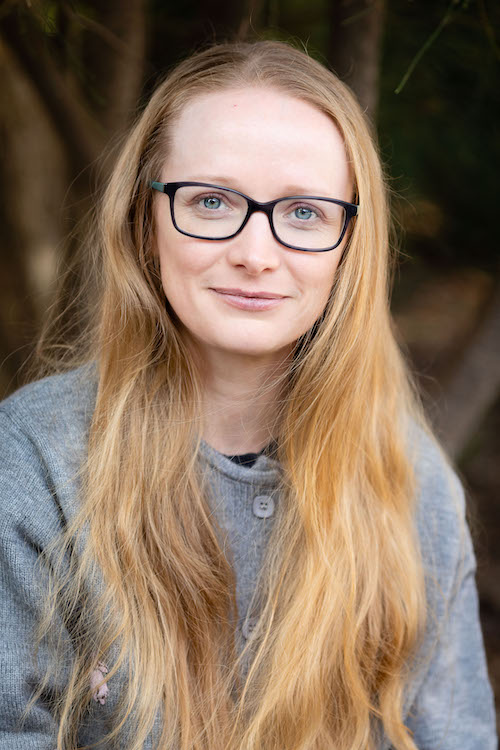
Jessica L Wilkinson
Jessica L Wilkinson has published three poetic biographies, most recently Music Made Visible: A Biography of George Balanchine (Vagabond, 2019). She is the founding...
More from this edition

Dog people
Non-fictionWe’re social animals, humans – from the wiring of our brains to the shape of our societies. If recent pandemic lockdowns taught us one thing, it’s that we need to be physically close to each other, to socialise not just as avatars or gigabits but as live, warm, fallible bodies. Our dogs knew this ages ago.
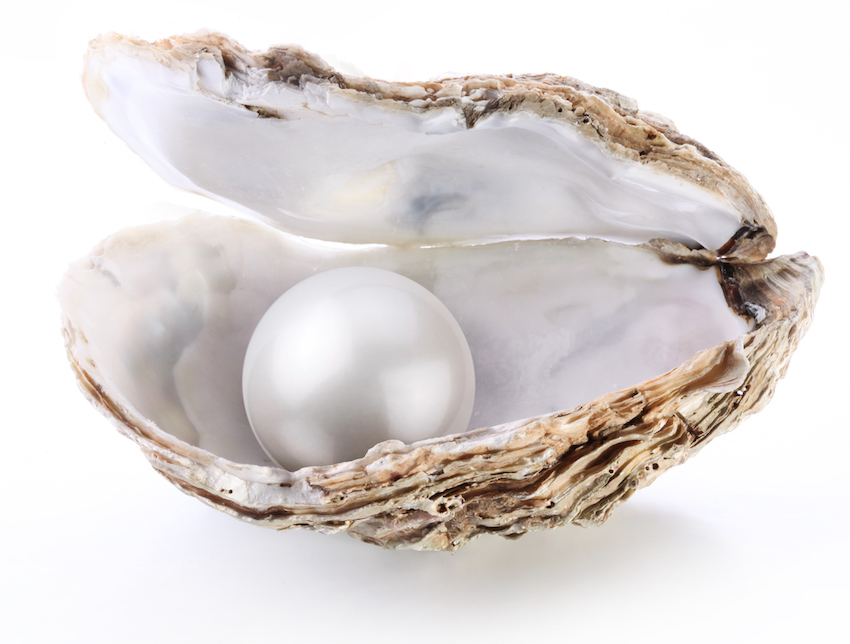
Mother of pearls
FictionBut we are more animal now than we’ve ever been. We read the water that leaps into our pools; we filter all kingdoms of life through our gills. We understand that the tendrils connecting one life form to another run much longer and deeper than you might expect. And we can entertain the notion that our strange tasks were like the fateful beats of a butterfly’s wings, and maybe the witch was a rare genius, able to perceive how the purloined dog, the pawned bird or the swapped cats would, in the mysterious rippling of the universe, lead to our deepest desires coming to pass.
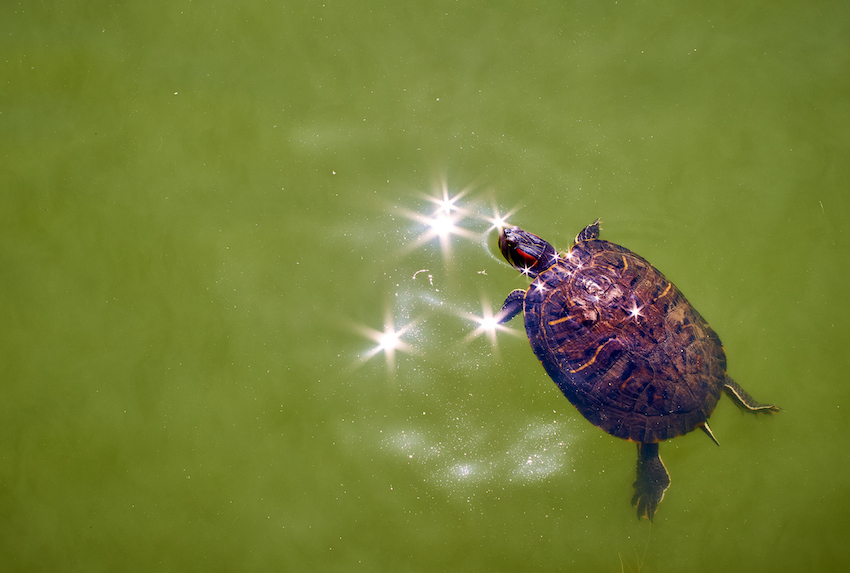
Talking to turtles
Non-fictionEighteen years ago, I moved to a seaside village on Cape Cod on the north-eastern shore of the United States. Finding the ocean there too dangerous, I swam in ponds. I waded through mud the consistency of yoghurt ever on the lookout for fifty- and sixty-pound snapping turtles. I dove in, swam and got out as fast as possible.
