Featured Stories
The ship, the students, the chief and the children
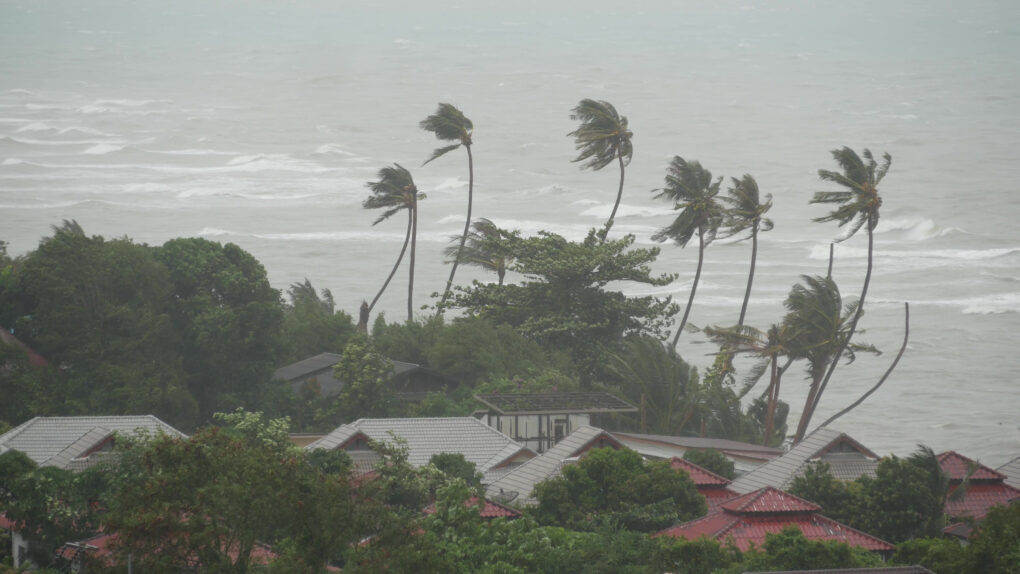
Non-fictionThe latest incarnation of the Rainbow Warrior – the third vessel to bear this name – has arrived in the South Pacific to support a campaign of epic vision. In 2019, in a university classroom in Vanuatu, a group of students began earnestly discussing with their teacher how international law might be better used in the existential struggle against climate change. The extraordinary objective that was eventually agreed on was to secure a strong advisory opinion from the International Court of Justice in relation to states’ obligations to protect the human rights of current and future generations from the impacts of climate change. A new organisation, the youth-led Pacific Island Students Fighting Climate Change, was established to carry the case forward and has since forged collaborative relationships with Greenpeace and other civil-society allies to help build impetus around the world.
Improbably, this audacious youth-led stratagem has already achieved success, first securing unanimous support from the nations of the Pacific Islands Forum (which includes Australia) and then winning consent referral from the United Nations General Assembly to the International Court of Justice – the first time this has occurred…

Time plays tricks
IntroductionTen years ago, the late, great cultural theorist Mark Fisher posited that our ‘montaging of earlier eras’ had reached such fever pitch that we no longer even noticed our submersion in a sea of bygones. And sitting alongside this purported cultural inertia are our increasingly divergent attitudes towards history – the far-right impulse to romanticise the past, the far-left desire to remedy its wrongs – and how they inflect our politics.

The return of the femcel
GR OnlineWhere male incels blame feminism for their inability to get laid, femcels identify misogyny, power imbalances and unrealistic beauty standards as the cause of their struggles. Unlike previous waves of political lesbianism, the #femcelrights movement to opt out of sexual relations with men is more of a signal than a concrete commitment.
Latest Edition
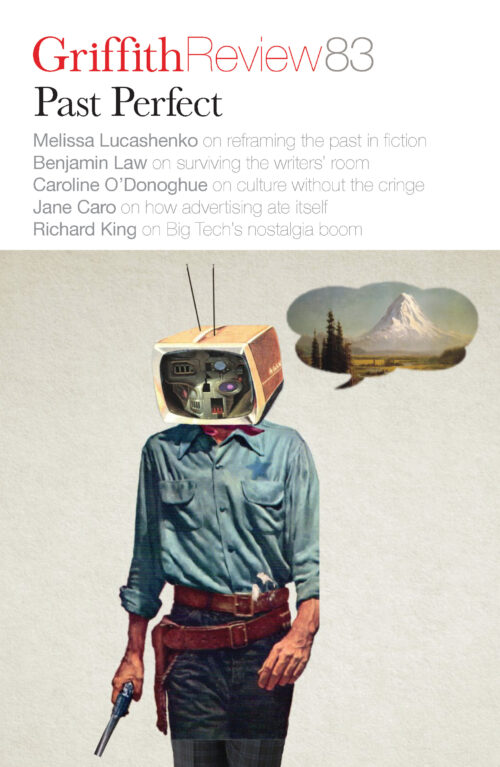
Past Perfect
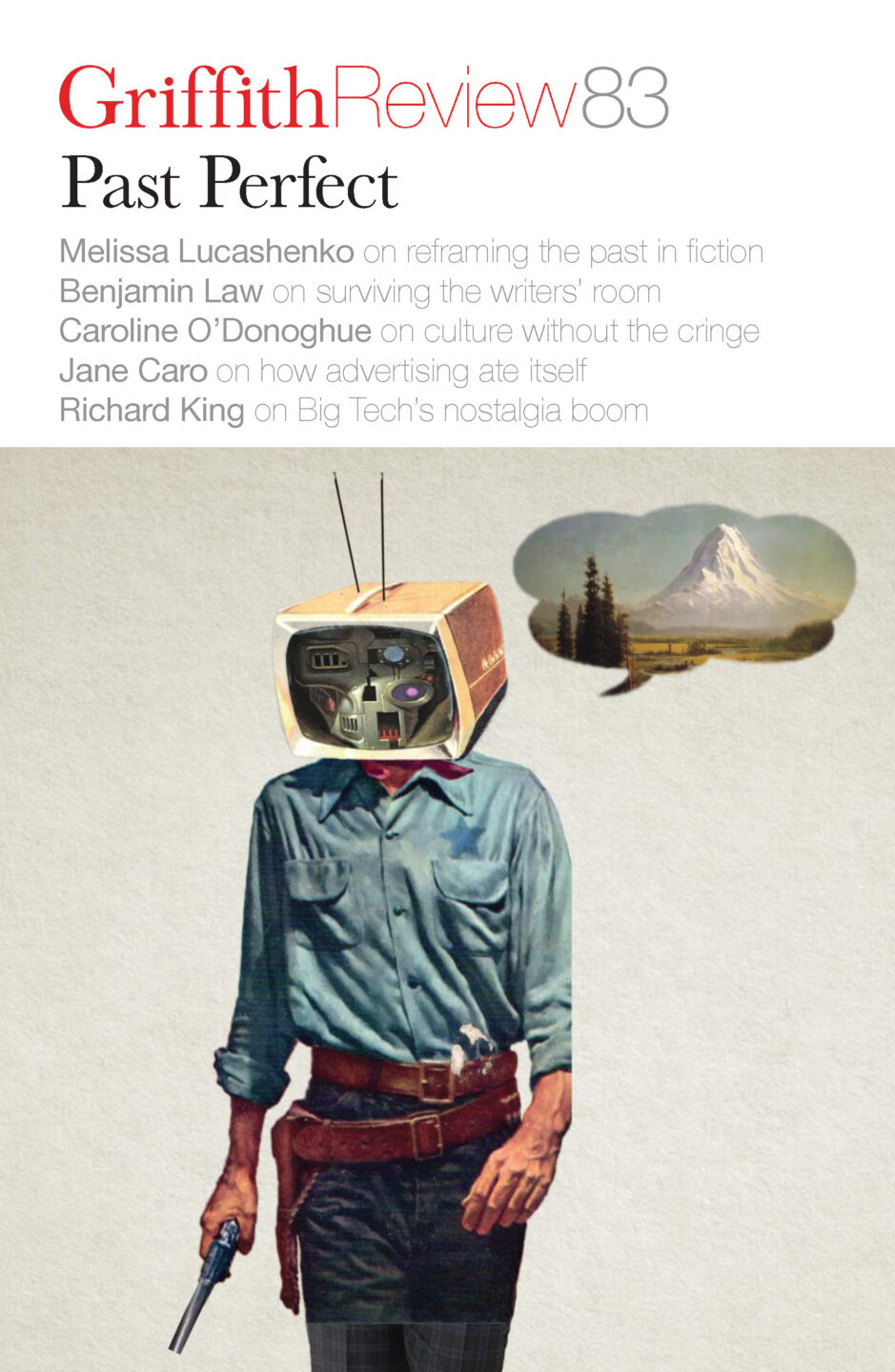
The past, famously, is a foreign country – but in the twenty-first century, it’s one in which we increasingly seek solace. What fuels this love affair with recycling our history? What periods do we choose to romanticise, and how do our rose-tinted glasses occlude reality? Is all this nostalgia signifying – as the late Mark Fisher opined – the disappearance of the future?
Featured Collection
Eat your words
Whet your appetite for great writing with this enticing buffet of food-themed fiction, memoir, reportage, conversations and more.

Consuming content
‘Do food bloggers realize how awful their recipe pages are?’ a Reddit user innocently enquires in a thread I stumble across while googling food blogs bad. ‘Do they take reader satisfaction into account?’ According to more than 600 replies, the answer is largely no.

Lunch bars
From cream buns and vanilla slices to cheese-filled sausages and salad sandwiches, working-class culinary culture would not be the same without the lunch bar. Typically tucked away in a corner of the city’s suburban, industrial and commercial districts, lunch bars have sustained the work force with an array of no-frills fast food since the 1950s.
The fight for the white stuff
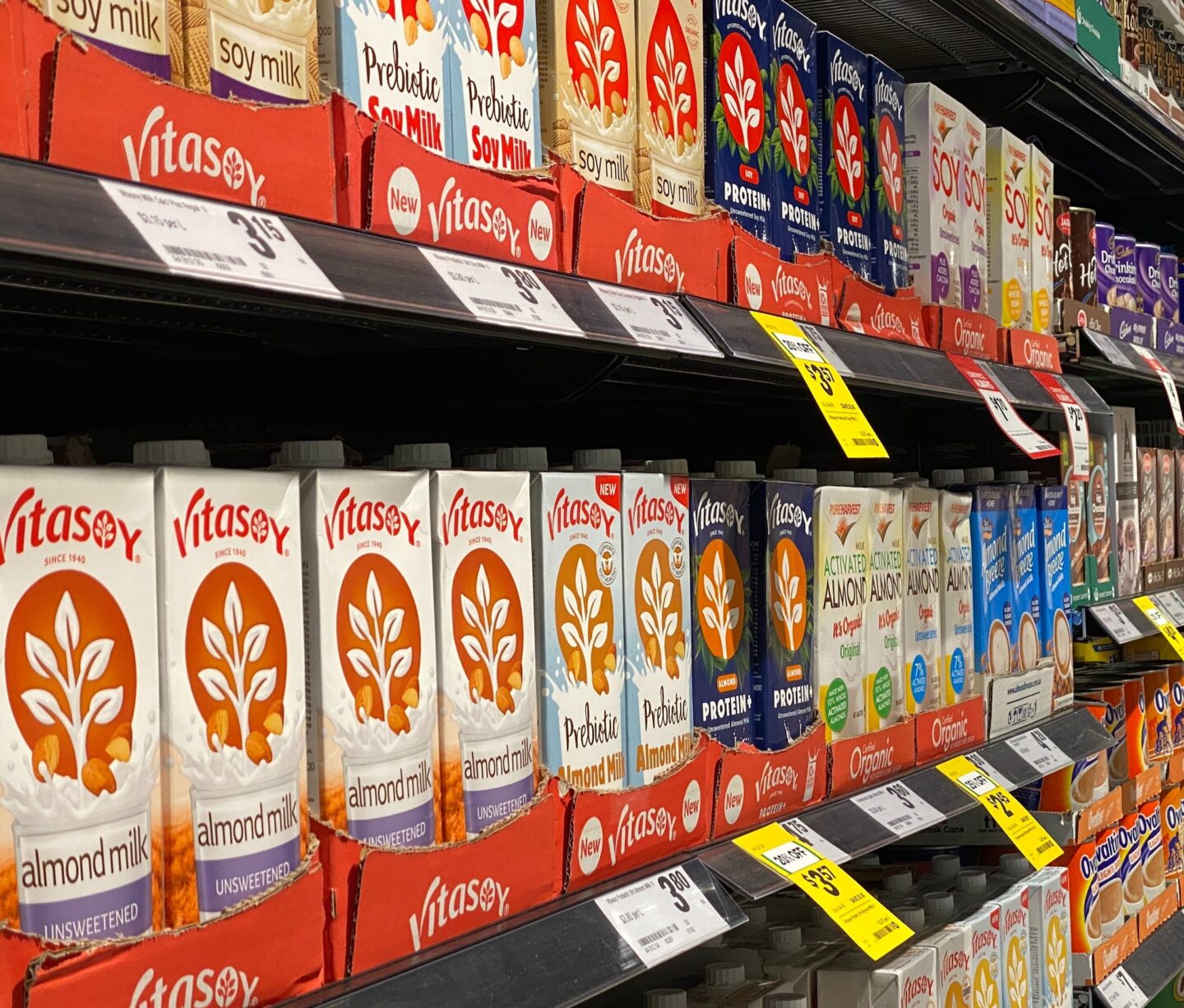
Although non-dairy milks are hardly unique to the US, there seemed something distinctly ‘American’ about the consumerist techno-utopianism of engineered nutrition. In its seductive promises and dazzling abundance, in its massification and drive for profit, and its bold-yet-arrogant ambition, the world of plant milks became a metonym for everything I loved and loathed about US culture. Give me a carton of Blue Diamond Almond Breeze and you have given me America.
Confected outrage
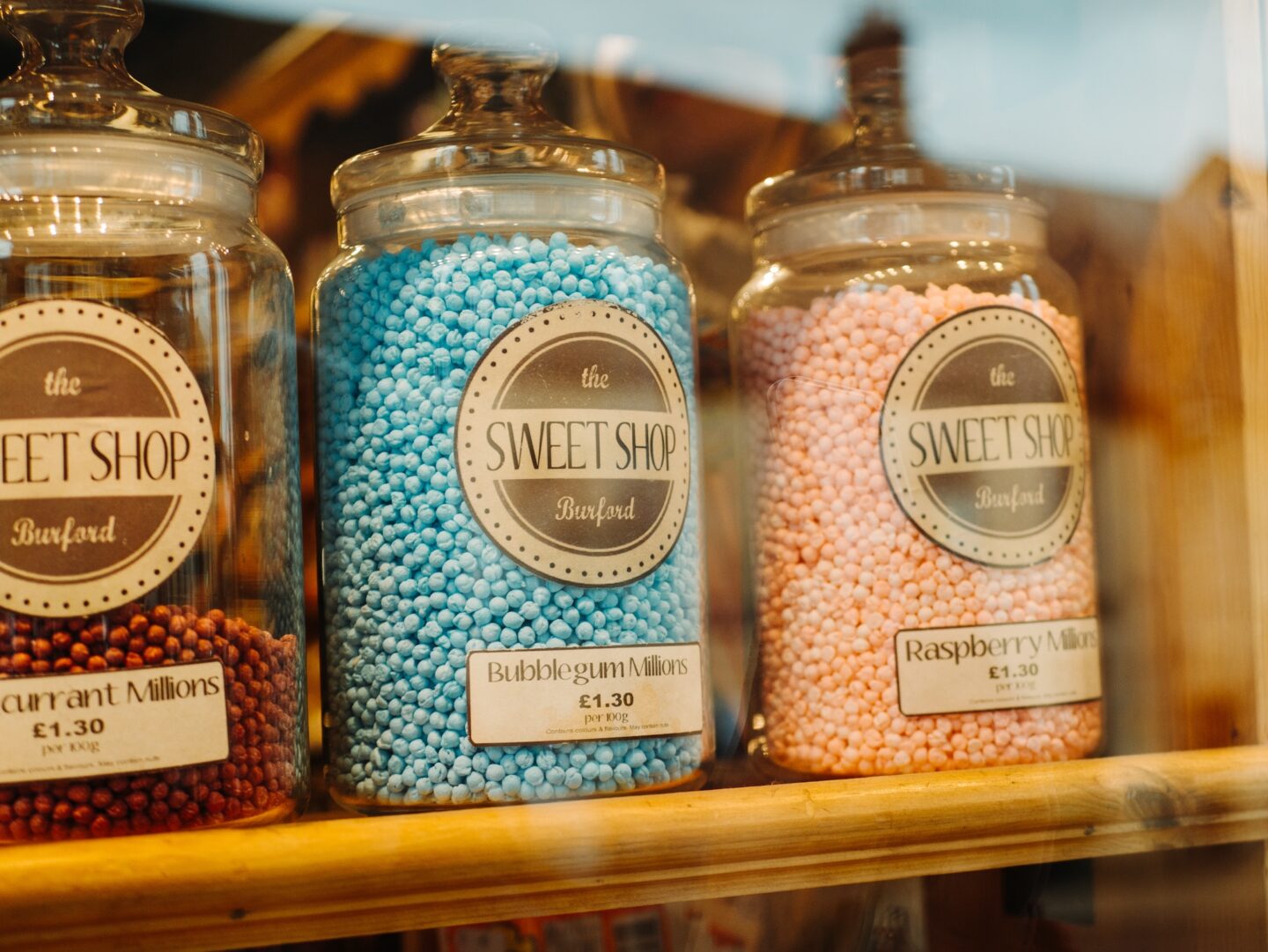
Many of us can name our favourite childhood lollies. But what if a lolly’s name, or the name of another popular food item, is out of date? What if it’s racist, harmful or wrong? What happens when the name of a lolly doesn’t work anymore?

A serving of home
I think we should be proud of where we come from and be proud of what this country can offer us. We’re unique in our food culture here – we should be embracing it, and we should ask for native produce.

Big Blueberry
Today blueberries are grown across the globe. In Australia, blueberry production tripled in the five years to 2021, and the fruit is grown almost year-round – a perpetual river of fructose and antioxidants shipped across the country…
GR Online - Free to read

The return of the femcel
Where male incels blame feminism for their inability to get laid, femcels identify misogyny, power imbalances and unrealistic beauty standards as the cause of their struggles. Unlike previous waves of political lesbianism, the #femcelrights movement to opt out of sexual relations with men is more of a signal than a concrete commitment.

Real men eat meat
Men eat meat. And if a man does not, his masculinity will be in question; emasculation shall be his malnourishment. Many of us today mock the ‘real men eat meat’ refrain. Yet society still insists that meat consumption is a marker of manliness – and the redder the meat, the manlier the man.

No place like home
There are more than 4.4 million disabled people in Australia. We constitute 18 per cent of the population, and over 90 per cent of us live in private dwellings. Yet only 5 per cent of private houses built here meet national accessibility standards.
Being David Cohen
Recently, I typed ‘David Cohen’ into Google Books, just for the modest thrill of seeing my name appear. The thrill quickly gave way to dismay when I saw how many other writers there are named David Cohen: dozens of the bastards.

Recent Editions