
Featured in
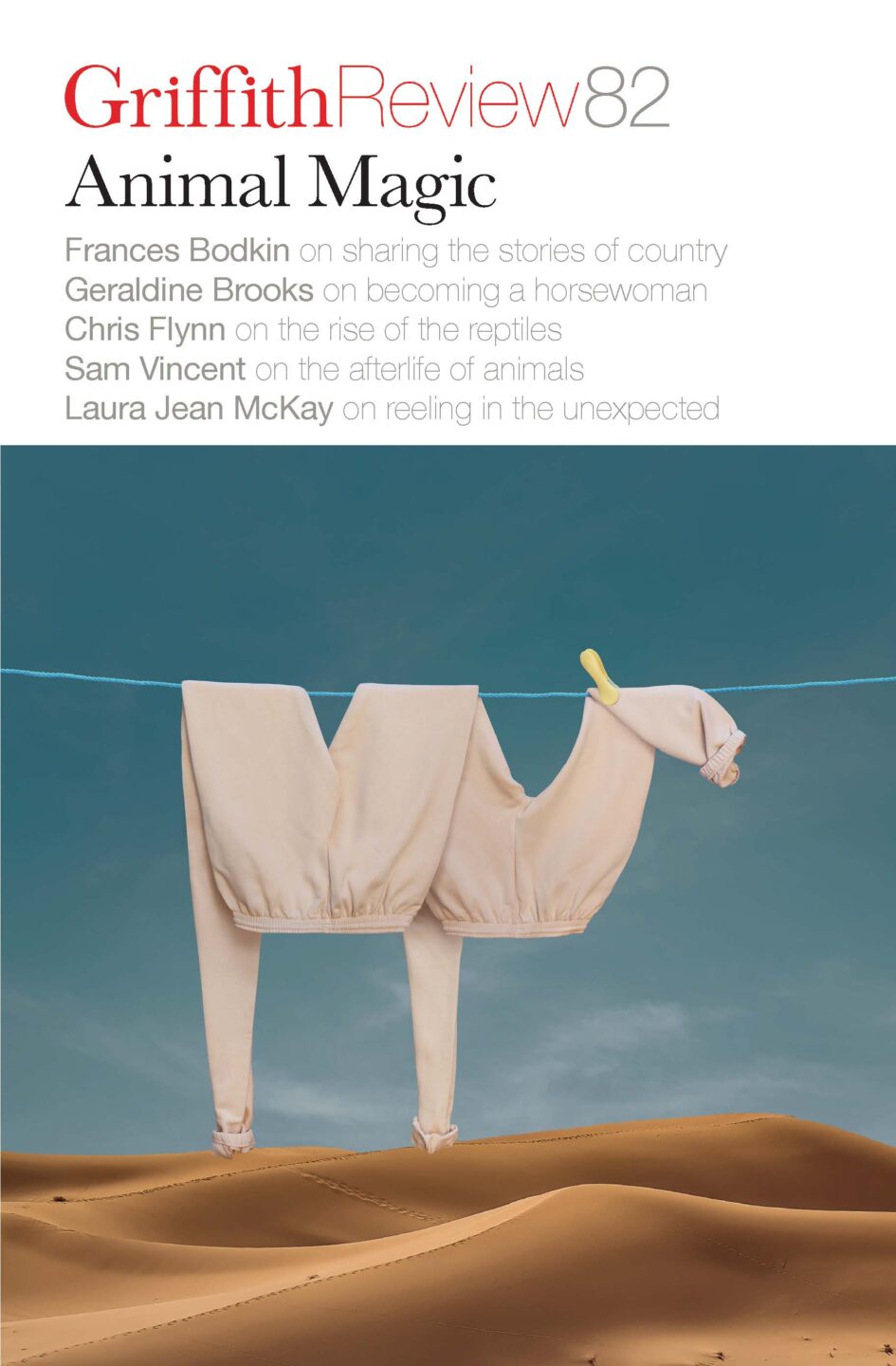
- Published 20231107
- ISBN: 978-1-922212-89-4
- Extent: 208pp
- Paperback, ePub, PDF, Kindle compatible

Already a subscriber? Sign in here
If you are an educator or student wishing to access content for study purposes please contact us at griffithreview@griffith.edu.au
Share article
More from author

Operator, please
A 2024 website post from CHOICE confirms this trend: ‘In a survey of over 6,000 CHOICE supporters in May this year, 73% told us they had encountered sub-par service from a business in the preceding year, and 85% believed this assistance was getting worse.’
These numbers seem to indicate the growing distance that corporations are placing between themselves and their customers. If the invention of the call centre in the mid-twentieth century helped this phenomenon along, then the creation of AI chatbots has only accelerated the issue in an alarming way.
More from this edition
Divine dis/connection
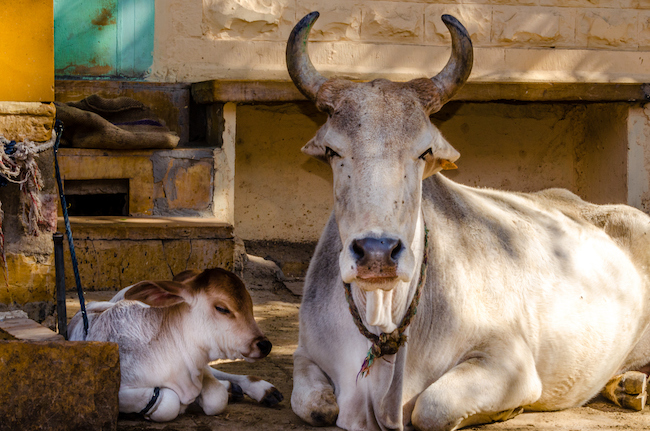
Non-fictionMY FAMILY HAVE always been wary around animals, especially in the home (I could have written ‘non-human animals’, but a stark separation of human from animal is truer to them). My brother and I have changed because of animal encounters in share houses and via intimate others, and we now each live with a partner who likes cats (I ‘have’ one cat; he ‘has’ two). But our parents have remained the same.

Into the void
Non-fictionI think with a little fear, as I often do, of the many other (and much larger) creatures whose natural territory this is, and scan the surrounding water for any dark, fast-moving shadows. But soon I relax and settle into the rhythm of my freestyle stroke. Breathe. Pull. Pull. Pull. Breathe. Pull. Pull. Pull. Breathe.
Easy rider
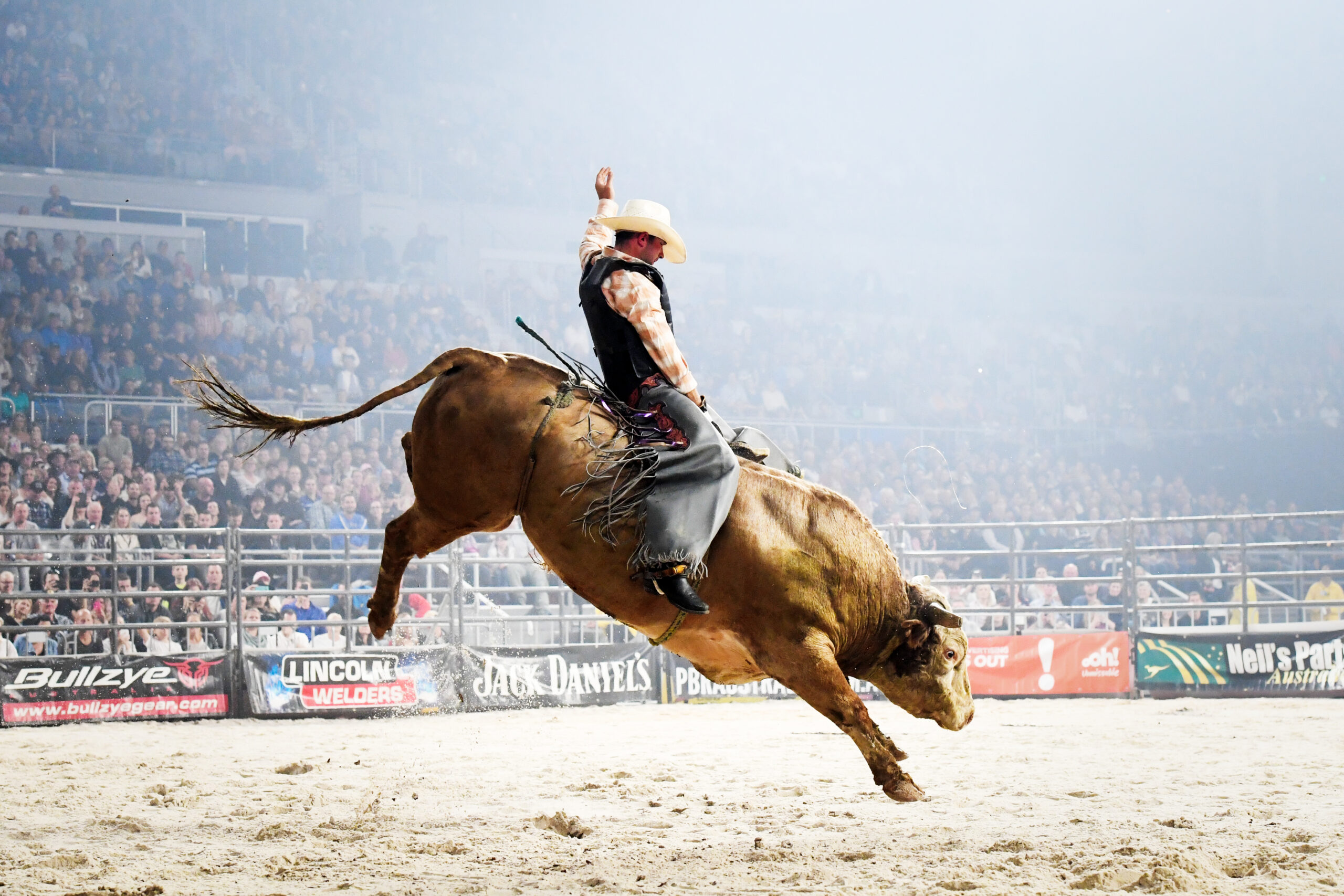
In ConversationMy first bull-riding job was a portrait of a young rider named Ian ‘Irish’ Molan from Cork, Ireland, for the upcoming event in Darwin that weekend. I attended the event that weekend and photographed behind the scenes and focused on Ian Molan in action. When it was the Irishman’s turn, he was thrown off the bull, who stomped on the rider’s chest repeatedly. I thought Ian was going to die. The bull was relentless.
