
Featured in
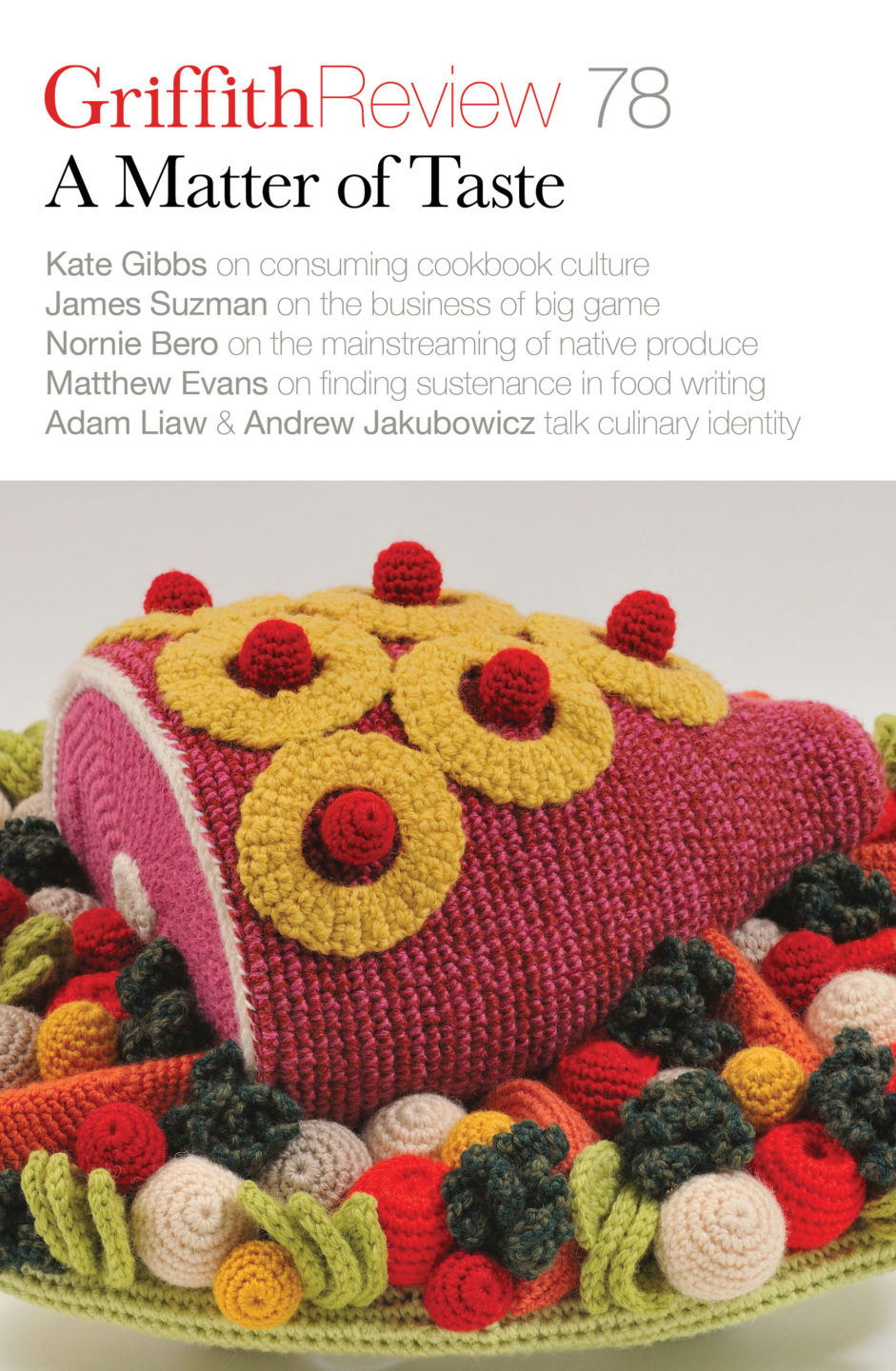
- Published 20221101
- ISBN: 978-1-922212-74-0
- Extent: 264pp
- Paperback (234 x 153mm), eBook

Already a subscriber? Sign in here
If you are an educator or student wishing to access content for study purposes please contact us at griffithreview@griffith.edu.au
Share article
More from author

Ourself behind ourself
There are moments in my life I look back upon in awe and disbelief. Other times, new consciousness allows me to view dimly lit tracts previously incomprehensible and menacing with luminous epiphany. It seems to me that in those moments another woman or girl was acting in my place, withholding my motivations, protecting me from being an accomplice. This shadow actor, the extent of whose influence I am never fully aware, sometimes passes through my peripheral vision, filling me with unease. What ambush might she stage if I do not keep watch? What confession might she murmur while I am asleep?
More from this edition
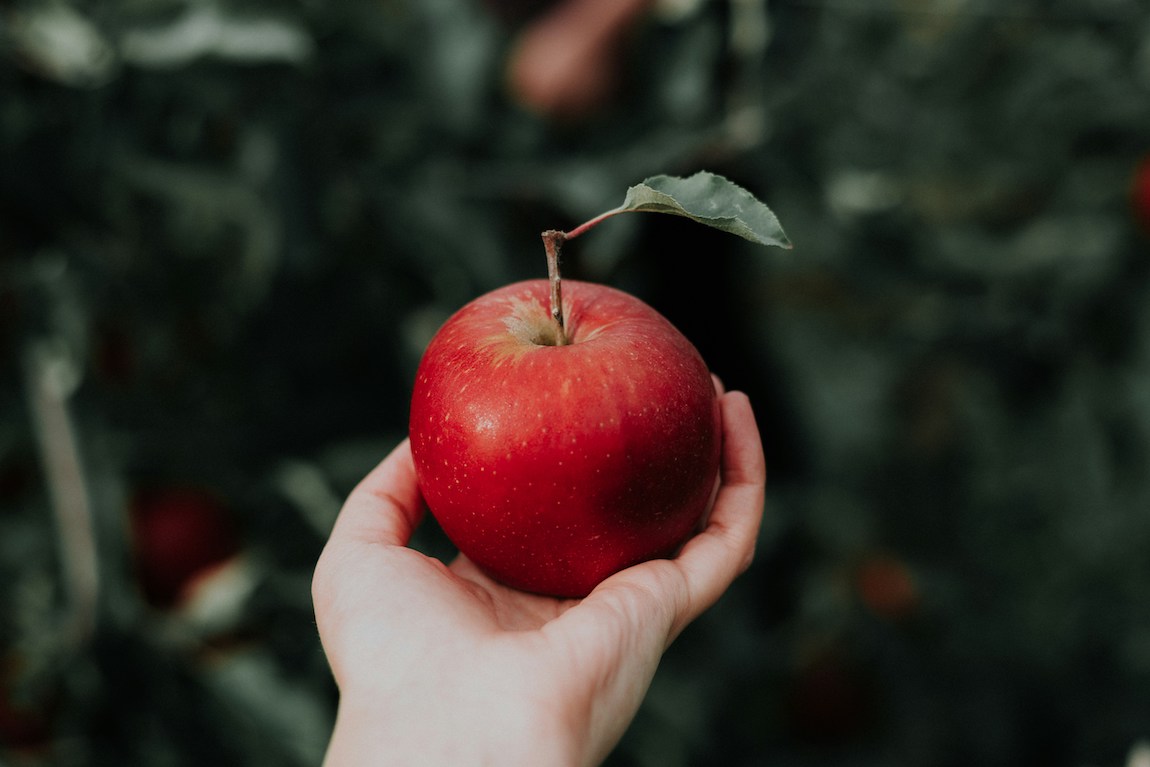
Fallen apples
EssayFrom the twelfth century in Western Europe, the apple, scientific name malus, became the forerunner for the unidentified forbidden fruit from the Garden of Eden, probably because its symbolism was already well established in Norse and Greek mythology, and the wordplay was irresistible: malus derives from the Latin word malum, which meant both evil or wrongdoing and fruit plucked from a tree.
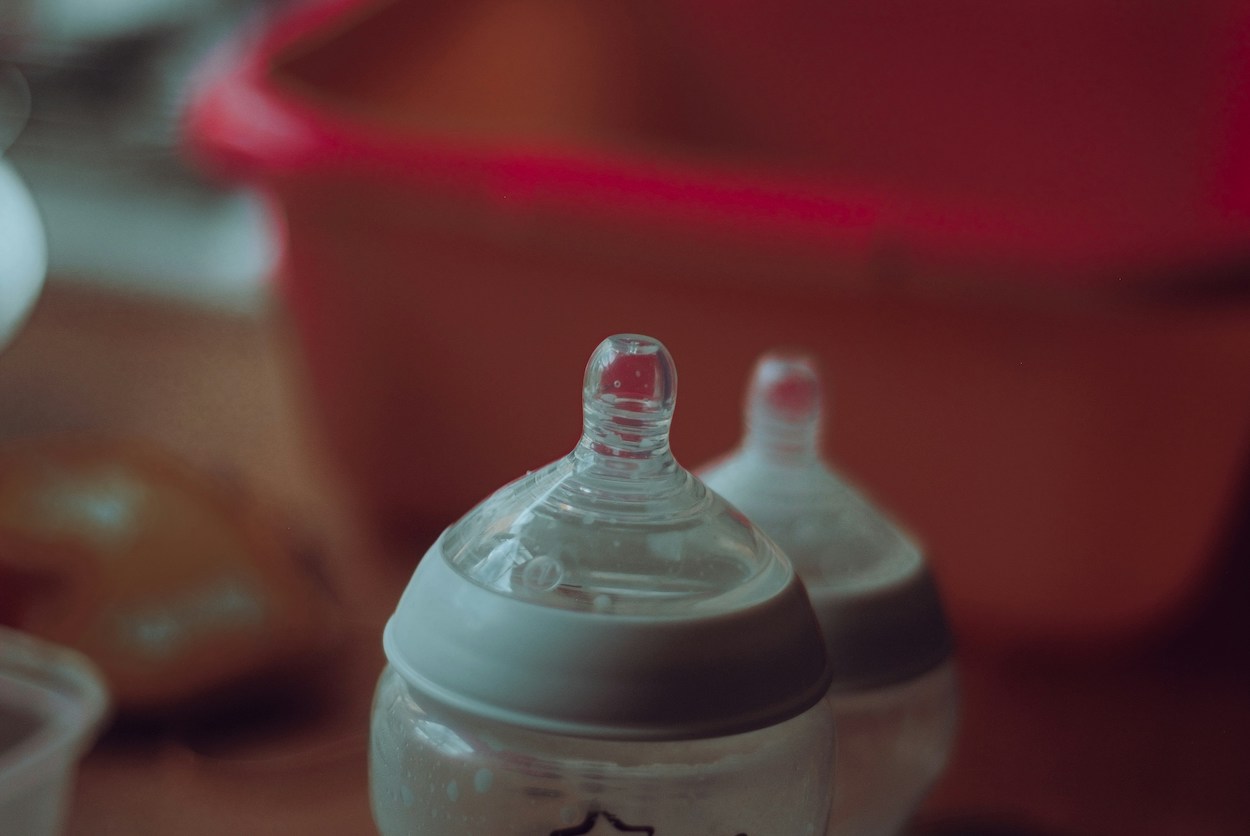
Dried milk
Memoir THE RUIN OF the new mother is the raspberry. I give Yasmin, her eight-month-old, the bursting prize of the red berry. I know what I am doing....

The supper
Poetrywhere Sacrificer and Sacrificee, still fragrant with the Blood of Morning and Harvest, gather by twisted Beak and crooked Hand
