
Featured in
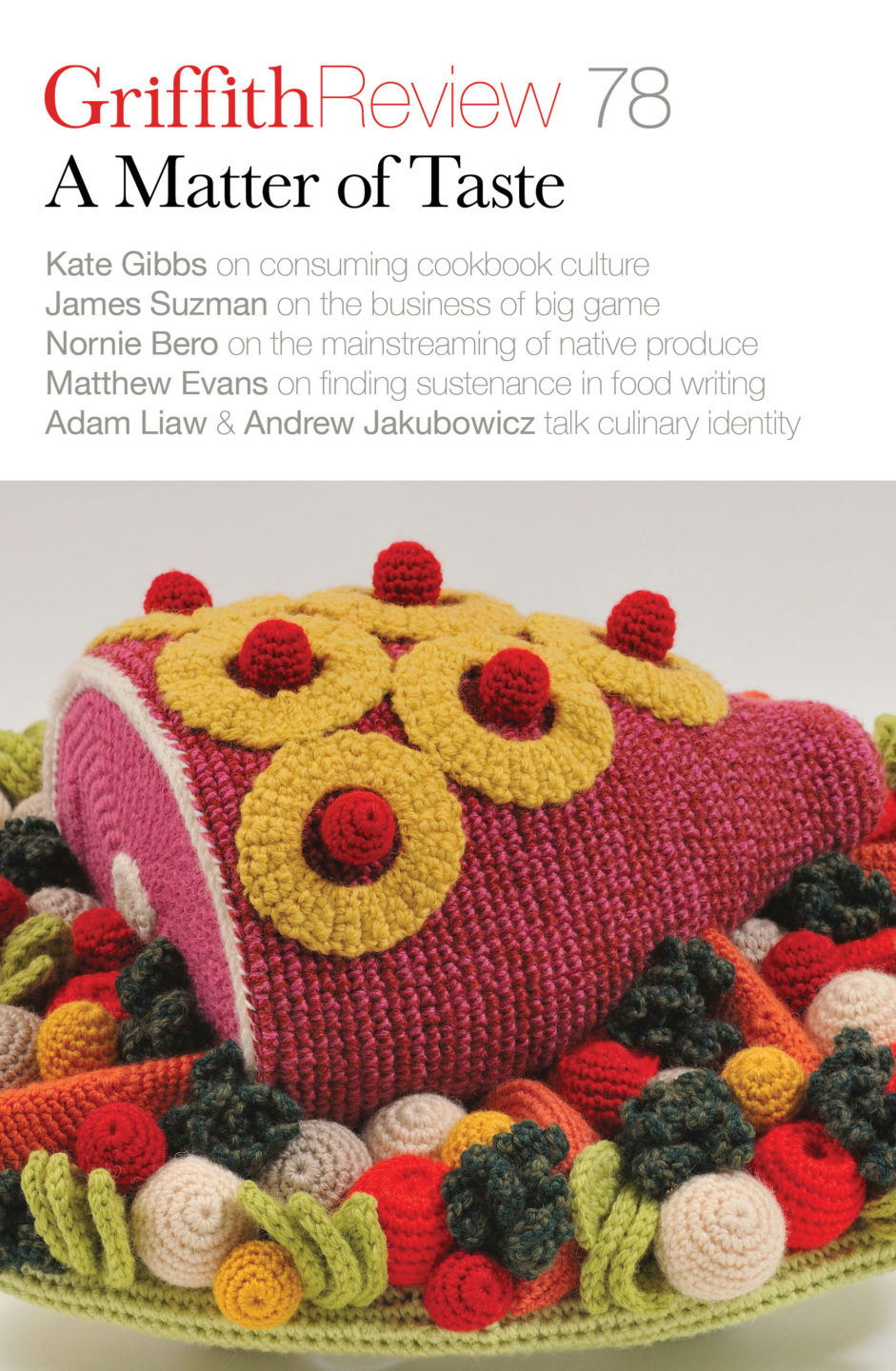
- Published 20221101
- ISBN: 978-1-922212-74-0
- Extent: 264pp
- Paperback (234 x 153mm), eBook


Already a subscriber? Sign in here
If you are an educator or student wishing to access content for study purposes please contact us at griffithreview@griffith.edu.au
Share article
More from author
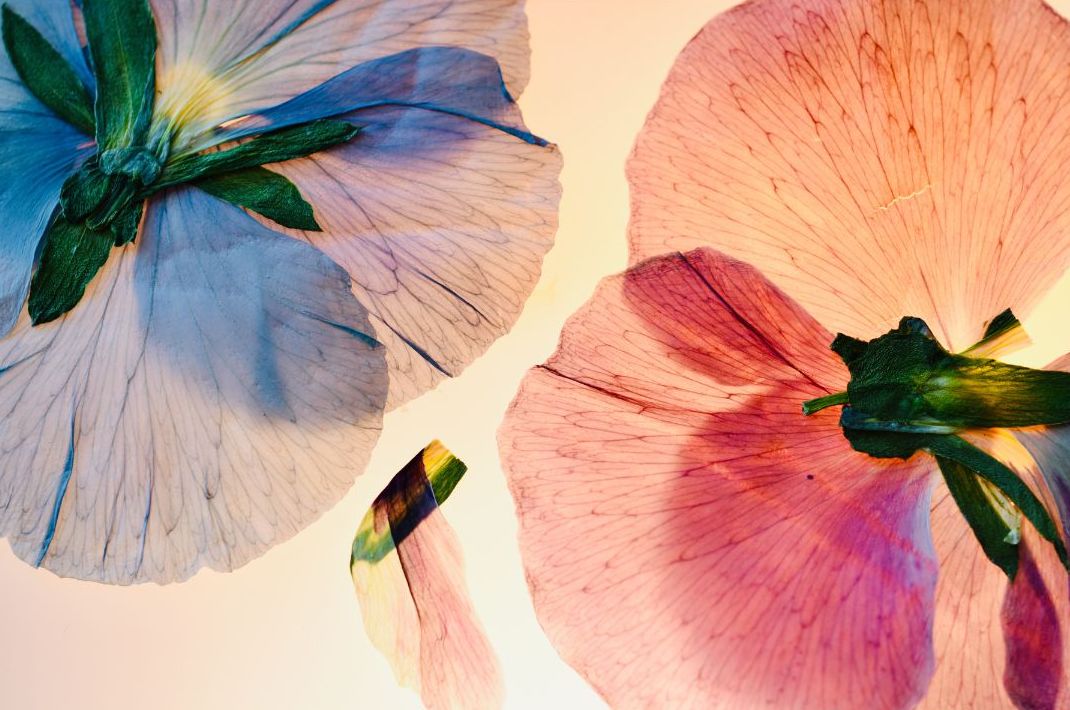
Little gifts of flowers
It’s unclear whether Boyd, who would have been two years old when Wilde was convicted and imprisoned for gross indecency, similarly literalised his homoerotic fantasies. Contemporaneous reviews of Brenda Niall’s 1988 biography, Martin Boyd: A Life, commend Niall, in a way that reveals the soft prejudice of the times, for how she handled the subject of Boyd’s sexuality. Paraphrasing Boyd’s family friends – who referred to Boyd, endearingly, as Floppy – Niall writes that Boyd was probably ‘too fastidious for casual sex, and with too strict a sense of honour to exploit the innocent, he probably repressed and aestheticized his sexuality’. This conclusion is buttressed by the conspicuous absence of the only work in Boyd’s catalogue that presumably possessed an unambiguously homosexual point of view, of which we know little except that there were flowers.
In a way that strikes me, again, as typically Australian, Boyd is slightly behind the times with his fin de siècle attitude towards classicism and homo- sexuality. His novels are uniquely appealing to me for the narcissistic reason that they are perhaps the only Australian books I can imagine myself having written. It’s why I find the correspondence about The Shepherd of Admetus so appallingly fascinating. I’ve read countless gay novels, by gay authors, in an attempt to discover my own writing. The author to whom I feel closest, by virtue of nationality, style and subject, wrote one such novel, and for all anyone knows, it might have been rubbish.
More from this edition
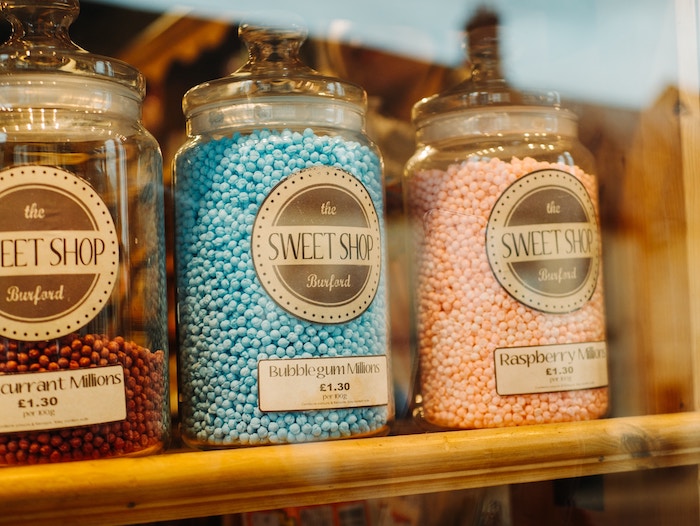
Confected outrage
EssayMany of us can name our favourite childhood lollies. But what if a lolly’s name, or the name of another popular food item, is out of date? What if it’s racist, harmful or wrong? What happens when the name of a lolly doesn’t work anymore?

Tastemakers
IntroductionI’m still pleasantly mystified by our obsession with food – our need to talk about it, remember it, photograph it and analyse it, to eat our feelings and compare our lives to buffets and boxes of chocolates.
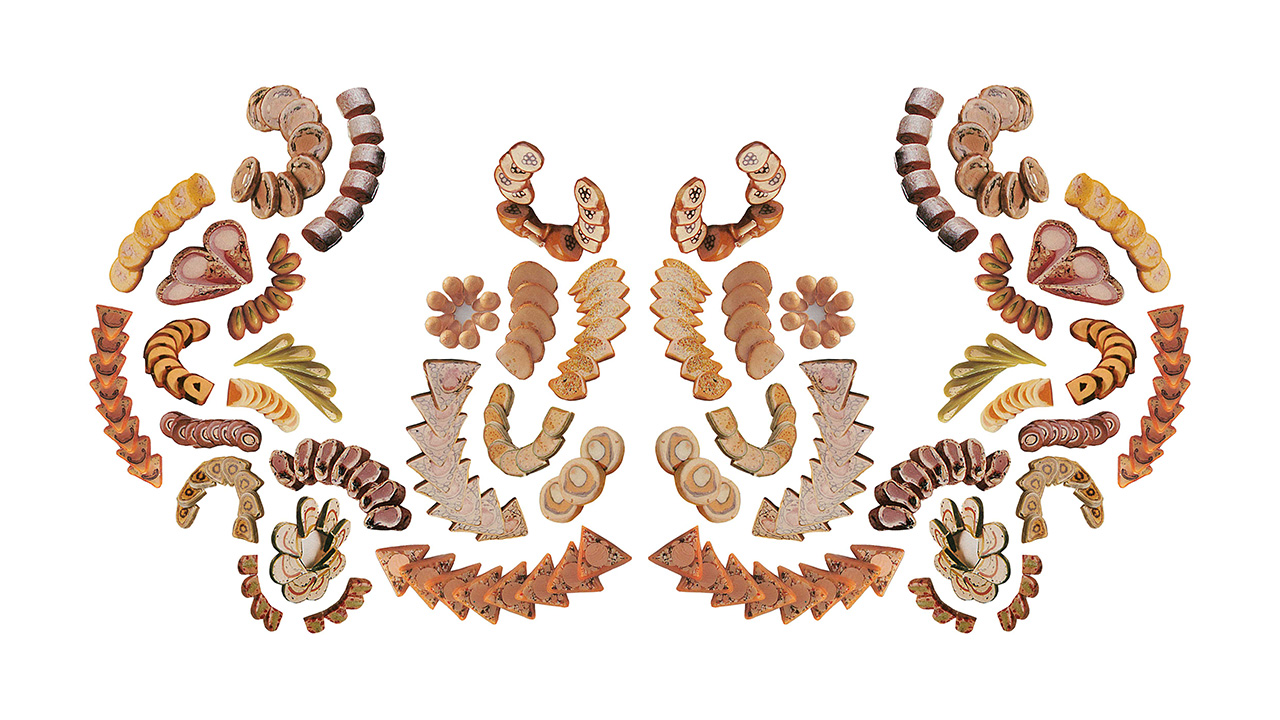
Gut instinct
In ConversationUsing identical, machine-made food items accentuates the traces of consumption. In works where participation is open to the audience as co-creators, I have found there’s not just one way to consume...
