
Journal
Articles
My archive fever
I completed a succession of degrees in creative writing, growing increasingly obsessed with finding my way back into the archive of words my mother had left me. I was determined to continue the collaborative practice we once had, though one of us would have to take part from beyond the grave.
Fragile memories
What are those pre-verbal memories like for him, not articulated, but rather felt, stored within the archive of the body? What does it feel like to have been separated from the archives of both your biological family and your homeland? There is never a clean break, of course. No neat stepping off the page, one book closed and another picked up in its place.
Defending the dead
When I think about Sarah Baartman, who lived in that same colonial city two hundred years before I did, I think about how she both belonged and did not belong in that place shaped by European fantasies of Africa. Cape Town was her city, even as it was not.
Non aprire che all’oscuro
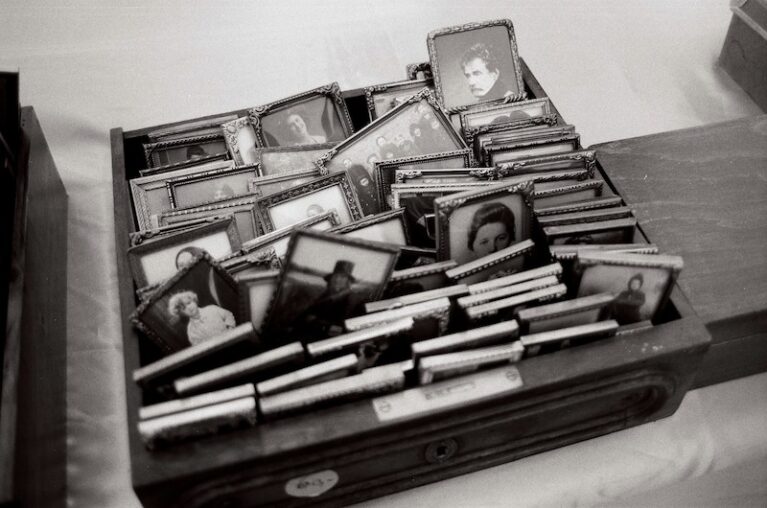
The shop was split over two levels and relied heavily on the proprietor – a balding man with an elaborate comb-over – to connect each visitor to parts of the collection that might be of interest.
The shape of memory
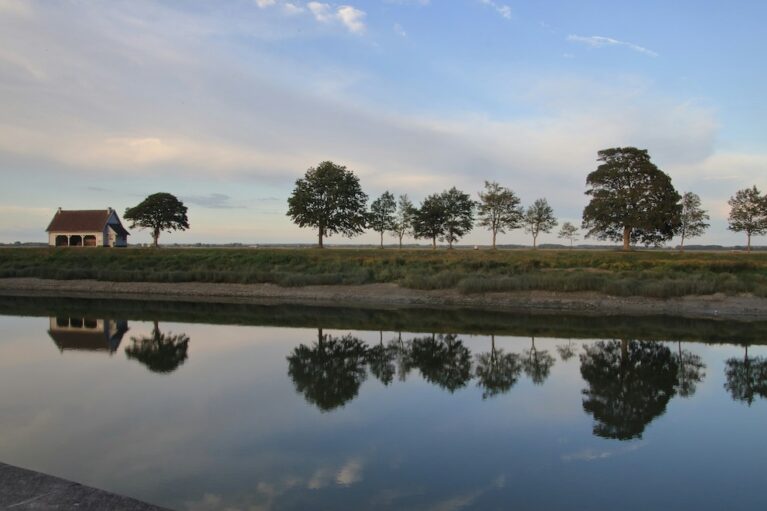
I sit by the river searching for someone our national memory keepers sought to erase: my great-grandfather. Bundjalung man William Olive served across the Western Front in World War I. Aside from his digitised war record, the archives I have sought are almost silent. He enlisted when the Defence Act outlawed Aboriginal service. He suffered through two brutal offensives: the Somme and the Ypres Salient. He was wounded near Pozières in 1916, not far from this river in Amiens. William and I are separated by time and silence. But silence is a powerful act of agency. It can be revolutionary to hold your tongue, to refuse the container of words. Maybe a river can speak, but what if it, too, chooses silence?
Memory in the making
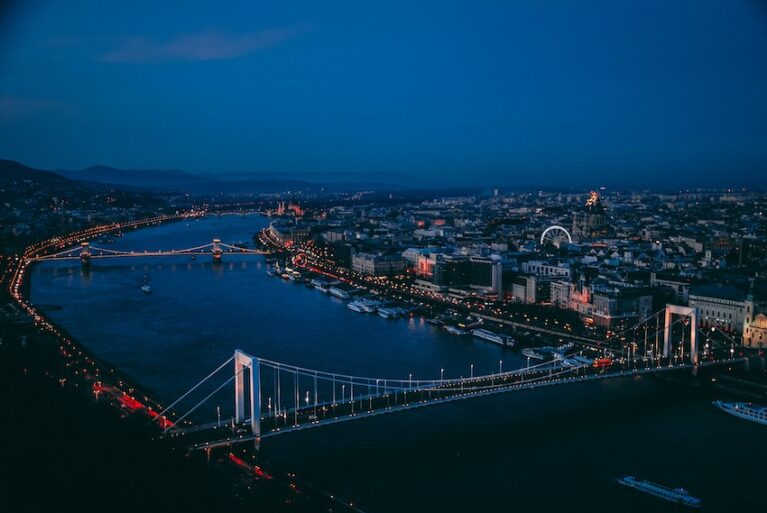
None of what I have seen so far prepares me for the glass elevator to the basement. Along with eight others, I am ushered in by an aging security guard. As we begin our descent, I recall an entry in the foyer guest book: ‘You need to warn people of the elevator. Not OK!’
The keepers of history
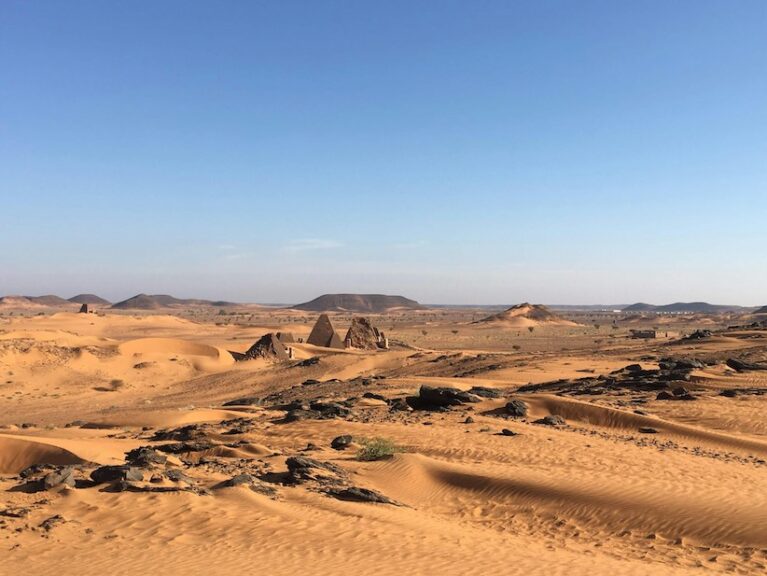
My name holds my history. That is to say, my name carries my father’s name, his father’s name and the father before him, seven generations back. My name allows us to time-travel several hundred years; these men kept alive through me. When I enter Sudan or Egypt, I am asked for at least the first four of these names for identification. My name places me in the context of the people I descend from, as a way to pinpoint to whom I belong.
In truth, my name holds one history. Yes, it is mine, but it is only a single, patriarchal version, rendering women invisible to such an extent that in its next iteration, I would be erased entirely. What can truly be gleaned from names shorn of context? My name is an archive that belongs to me, that defines me, but over which I have no curatorial power. I rankle at this, yet I understand this dynamic is the norm rather than an exception. The archive is a site of political struggle, whether in a name or national institution, speaking to who is remembered and who decides what is worth remembering.
Only dead writers have archives
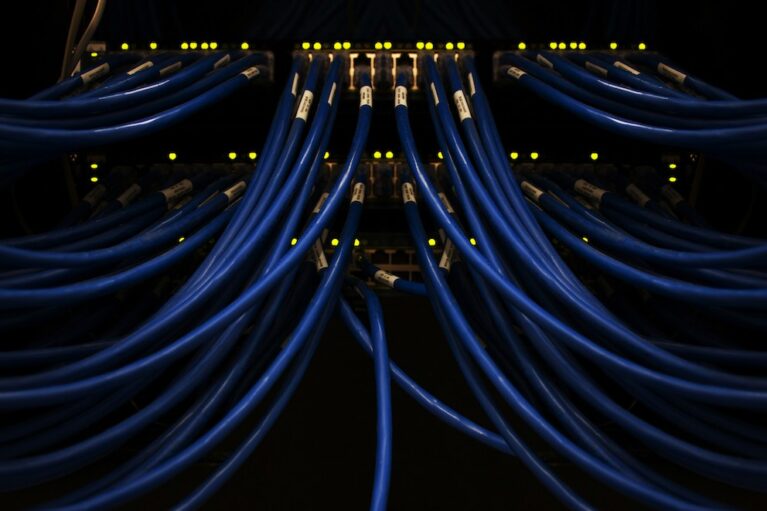
I was surprised to find that the internet was also a useful place to teach creative writing. The student cohort for the course was satisfyingly international, and discussing assignments online sometimes made for more considered responses than those made during a more traditional in-person workshop setting when nerves or shyness might have intervened.
#CastLife
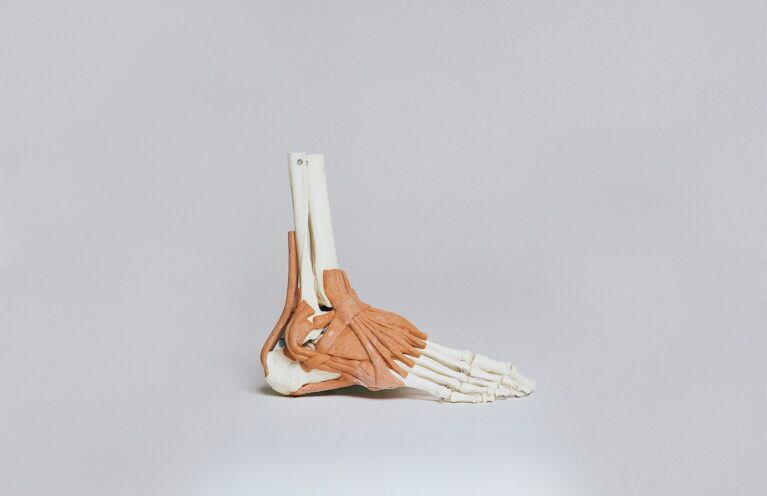
I click through to this profile. Their content features pictures of everyday women having a beer or hanging out with their dog. There is no particular style or consistency to these images. The only thing that connects the women is that they all wear a brace or a cast.
Archival notes
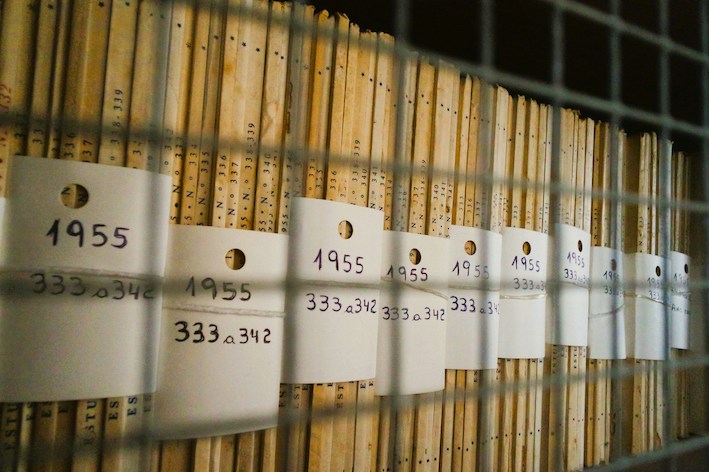
Stores are not easily accessible places. You need special permission to visit
and must be accompanied by someone who has clearance. Clearance will be
taken away if you don’t follow the rules. Once you figure out where you stand
on the ladder of access you can begin to plan your visit.
The McDonagh sisters
Initially, I didn’t question the generous-foreign- uncle story, and it’s the one Mandy Sayer went with in her 2022 biography, ‘Those Dashing McDonagh Sisters’. There are a few reasons, however, why the story doesn’t add up, but you have to dig into the archives to find them.

Finding Szpilki
I grew up before the new internet, before social media stole my attention
from me. But now, for an indiscernible reason, the old internet calls to me
once more.
