Memory in the making

Mining a dark past for emotional capital

Featured in

  • Published 20260804
  • ISBN: 978-1-923213-22-7
  • Extent: 196pp
  • Paperback, eBook, PDF

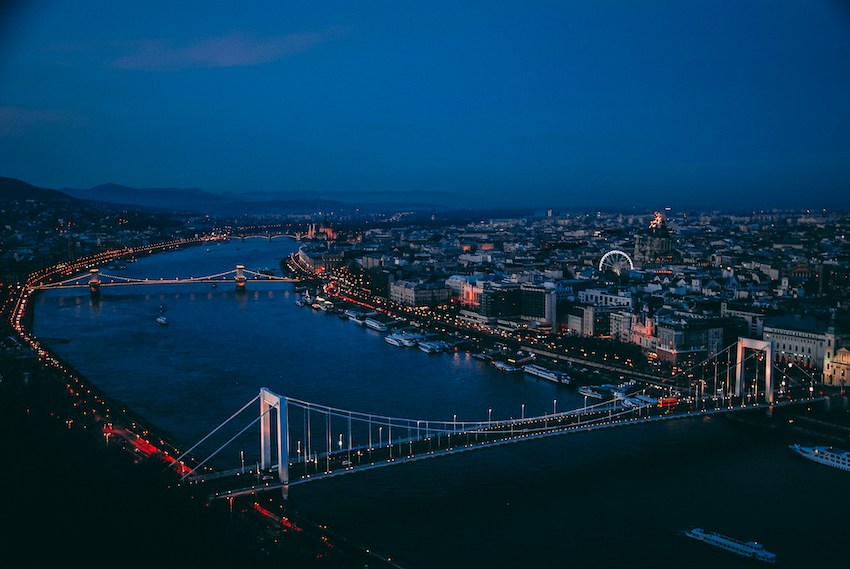
IT’S FEBRUARY IN Budapest and the lingering winter grey is cut through by the lurid hyperreality of AI-generated political posters. Striking a clear note of desperation as Viktor Orbán and his Fidesz party trail in the polls, the posters promote a nationwide petition opposing further funding of the Ukraine war. I pass one depicting a smiling Zelenskyy flanked by two German senior European Union (EU) politicians, Ursula von der Leyen and Manfred Weber. Both look stern while pointing to the Ukrainian president’s outstretched palm. ‘We Pay’, it says, backed by a stop sign graphic.

These posters were, at the time, the latest incarnation of Hungary as Western Europe’s victim. Under Orbán, it became the continent’s illiberal exemplar, explicitly endorsed by both Putin and Trump. It was a stunning transformation for what was considered at communism’s collapse in 1989 to be the Eastern Bloc’s most promising democratic prospect. Orbán and his Fidesz party achieved a sixteen-year run not just by warping the electoral system but also by ingeniously mining traumatic memory for political capital. His template took Western democratic ideals and turned them on themselves, even re-exporting them to the West to populists like US President Donald Trump. Liberal commentators remain hopeful that the newly elected President Péter Magyar might restore Hungary’s cratered reputation. This should be tempered by two facts: first, that Magyar only resigned from Fidesz in 2024; and second, that during his campaign he remained strangely silent on the powerful memory apparatus that helped legitimise his former party for twenty-two years.

Already a subscriber? Sign in here

If you are an educator or student wishing to access content for study purposes please contact us at griffithreview@griffith.edu.au

Share article

More from author

Everything is everybody else’s fault

Around 2009, the first glimpses emerged that these companies had secretly known for decades that the science was correct. Gradually, a new narrative developed: leading climate commentators started asking why the hell individuals should be meticulously calculating their carbon footprints when the entire fossil fuel sector was not only the biggest emitter but also doing everything to delay action.

More from this edition
The editress

Non-fiction WHEN I ENTER Sydney’s Mitchell Library, I find myself in an ornate vestibule, standing on a marble and brass version of the Tasman Map....

Fragile memories

Non-fiction ONE DAY, HE – her boy – comes home from a weekend at his father’s house, and she’s at the top of the front stairs waiting...

Stay up to date with the latest, news, articles and special offers from Griffith Review.