
Journal
Articles

That J-Lo dress
I find high fashion fascinating, in particular what the beautiful people wear on the catwalk or the red carpet. Just as compelling, to my mind, are the twin pillars of fashion industry gossip and business analysis, including what clothes might reveal about culture and society. Take the famous J-Lo dress: diaphanous green material slit to the waist in both directions, held together by a big jewel-encrusted broach, worn with sparkly panties and strappy heels (please admire my technical knowledge). This is the dress J-Lo wore to the 2000 Grammy Awards. I mentioned that it broke the internet.
Go west
This fever dream of an afternoon is a standard Sunday at Broken Heel, the drag festival in the desert where queer culture meets outback Australiana. Held over a long weekend in September, Broken Heel is a five-day extrava- ganza hosted by Broken Hill’s Palace Hotel – the pub that makes a cameo appearance in Stephan Elliott’s iconic 1994 film, The Adventures of Priscilla, Queen of the Desert. Conceived as a tribute to Priscilla, which was largely filmed and partly set around Broken Hill, Broken Heel was launched by Palace owner Esther La Rovere in 2015 to coincide with the film’s twenty-first birthday. Nine years later, the drag festival had become an annual institution, attracting thousands of punters from around Australia and overseas. Thirty years after Hugo Weaving stopped traffic on Argent Street with a pink thong dress and matching wig, this storied mining town with a pub on every corner welcomed a veritable deluge of men in muumuus.
Dress right, act right
In The Fashion System, Roland Barthes argues that clothing is never just functional or decorative; it’s always a language, a system of signs. The revival of prairie-style high necklines and nunnishly low hems is a semiotic gesture that can’t be divorced from its meaning. Joan Scott’s theory of gender as a historical sign system is also useful when analysing the forms and silhouettes that mark this new (or, rather, old) style era: in resurrecting the prim-and-proper silhouettes of the ’40s and the flouncy A-line dresses of the ’50s, with their exaggerated waists and corsetry-inspired bodices, we act in subtle ways to reinscribe historical gender roles.
Body doubles
While Borisov’s softcore porn captivates a global audience, Meta, Instagram’s parent company, polices other accounts it claims are sharing ‘sexually suggestive’ content. In 2019, Salty – an online newsletter and platform for women, trans and non-binary people – released research that indicates certain marginalised groups – such as women, sex workers, people of colour, plus-sized creators, and members of the LGBTQIA+ community – appear unfairly patrolled online when it comes to the sort of content they post. I myself have received ample warnings from Meta given I write regularly about women, abortion, sex and its many hiccups.
The trenches
The first time we visit Elie Wiesel Square on a weekend, I’m staggered by the density of modish young families: neat-hipped milfs in belted jeans and little embroidered jackets; lightly stubbled dilfs in tailored, earth-toned clothing; children dressed either like something out of Frances Hodgson Burnett or a Yeezy drop. One lambent-skinned mother in a soft-looking oatmeal set, rimless oval sunglasses and a geo-print headscarf in as many shades of brown as a chocolate box, snaps photos of two little girls in matching oatmeal smocks, white stockings and shiny black Mary Janes, their long black hair in intricate braids.
Buyer beware
I’d heard murmurings of the quality crisis, noticed things here and there in my own purchases. But it wasn’t until I consulted shopping subreddits, TikToks and Instagram comments that the scale of the issue became apparent. Brands of all sorts were implicated. Items were stretching out, losing their shape or fading after a few washes; jumpers were rapidly pilling; dresses turned out to be sheer in daylight; shirts would refuse to relinquish oil stains. Everyone seemed to agree: clothes were better a decade ago.
My body is the gallery – enjoy the exhibition!
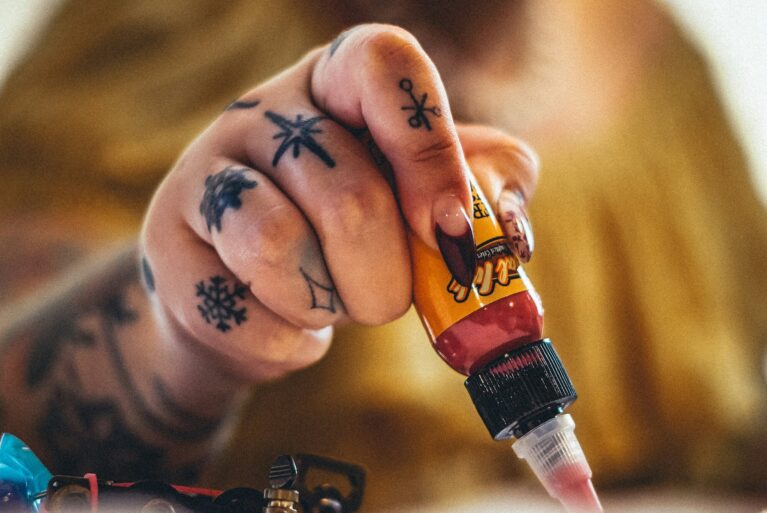
CELEBRITY CULTURE HAS slowly eroded the negative connotations associated with tattoos. In the ’80s, punk and heavy-metal rockers used body art to cement their anti-consumer images into mainstream minds. Since the turn of the century, reality TV shows including Miami Ink and Ink Master have accelerated the normalisation of tattoos. Now, partly thanks to social media, tattoos have become another kind of commodity to show off to the world. Outside of the job stoppers (hands, neck, face), tattoos can be seen on lawyers, corporate drones and even White House staff.
But tattoos have always been more than fashion statements. They connect people to subcultures. They express commitment to particular ideals and fandoms. They’re the ultimate form of self-expression. Even a tattoo you get impulsively can make a statement. Tattoos become stories shared at social gatherings. Icebreakers to get the conversation going when you meet someone new. Gruelling, painful rituals that highlight how strong the human spirit can be. Dedications to a belief or a thought or a love that you wish to always be reminded of. Signifiers of who you are.
Out of the closet
So many people have this idea of fashion as just couture or the latest trends – things that are out of reach or quite intangible and fleeting – whereas I think it’s important to look at fashion as the clothes people choose to wear every day, and at the choices, social history and social connotations behind those clothes.
Superfine
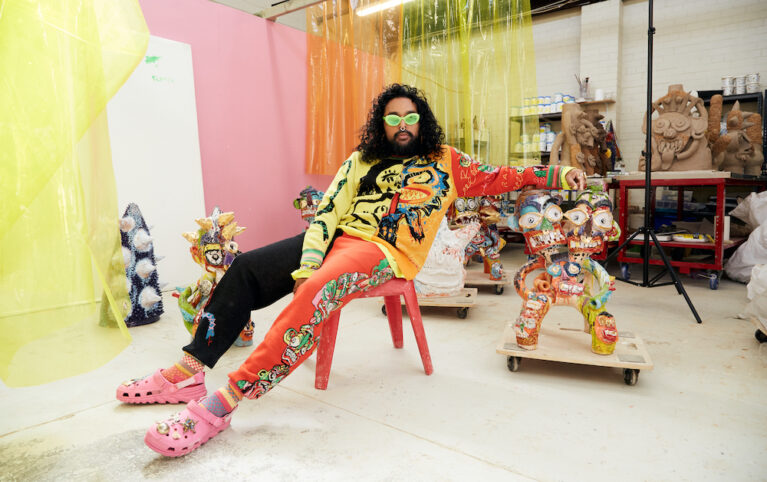
On a more emotional level, I find knitwear very comforting. In addition to being inherently cosy, it can also be very personal, especially if it features imagery that resonates with the wearer. For me, the appeal of the graphic knit is maximum impact with minimal effort. You can make a statement but be incredibly comfy/lazy at the same time.
Suffer for fashion
There were plenty of boys in Brisbane in 2001 who dressed in attentive and interesting ways. But you’d have to be sure of yourself, which I wasn’t, or you’d have to have been straight. For the rest of us, survival meant the avoidance of colour; you had to avoid flourishes, avoid anything tight, avoid the sense of a considered style. My vision of an appropriate male dresser involved jeans, in the tropical heat, and a T-shirt, again dark. Sneakers were the acceptable form of shoe, skate shoes if you were chancy, with a pair of Holeproof Heroes in black or grey.
Change room
The story currently being told by the vast majority of the fashion industry is that plus-size bodies simply don’t exist. Looking to runways and fashion magazines, I see no bodies that even vaguely resemble my own. Not one B-shaped belly, not one roll, not even a hint of back fat. The shame and isolation that exists around fatness everywhere else also exists on runways, in fashion houses, in shopping centres. In my wardrobe.
Don’t prick your finger on a spindle
Before the witch hunts, women participated in many professions – they were brewsters, blacksmiths, teachers, court poets, merchants and craftsmen. Beginning with the Renaissance, a combination of social, legal and cultural forces changed this. Fear of being labelled a witch meant fewer women would work outside the home to earn a wage, leaving them vulnerable to impoverishment without the financial support of a man. This systematic exploitation of feminised workforces is one we’re still living with hundreds of years later.
