
Featured in
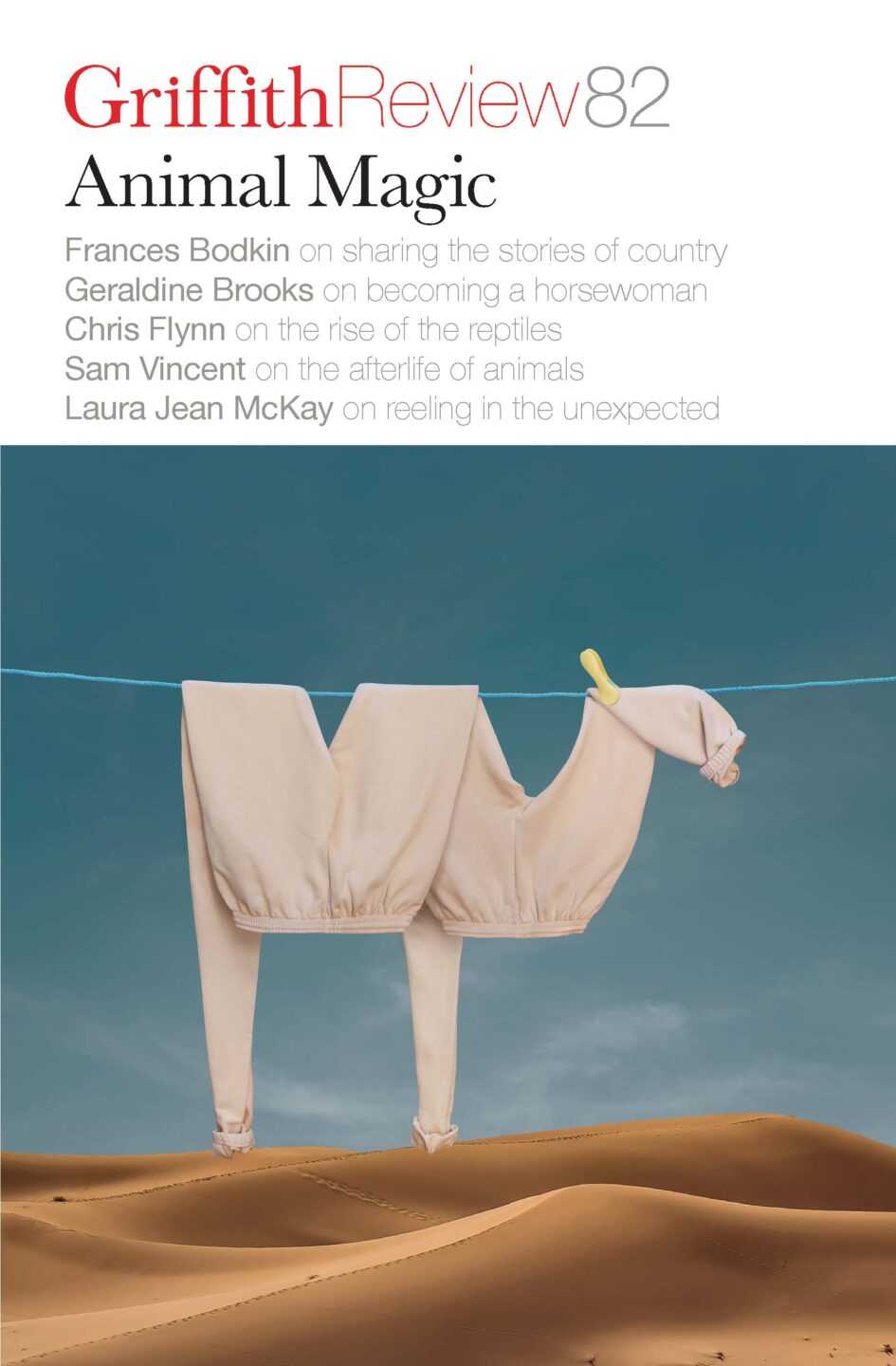
- Published 20231107
- ISBN: 978-1-922212-89-4
- Extent: 208pp
- Paperback, ePub, PDF, Kindle compatible

Already a subscriber? Sign in here
If you are an educator or student wishing to access content for study purposes please contact us at griffithreview@griffith.edu.au
Share article
More from author

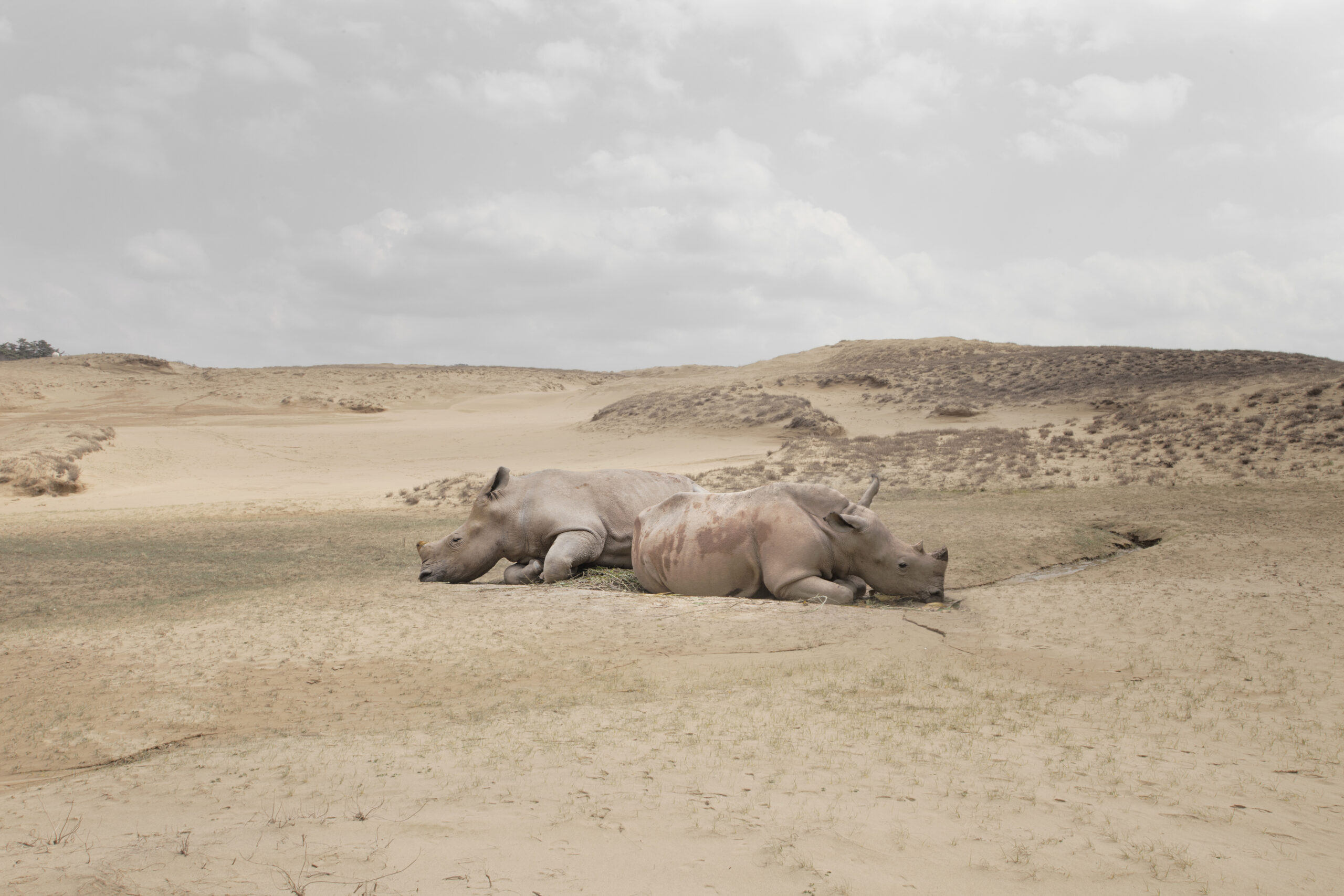
Animal perspective
In ConversationERIN HORTLE: In Tasmania, there is a place where female octopuses emerge from the water and make their way across an isthmus, with a...
More from this edition
Narratives of the natural world
In ConversationAll kinds of interpretation are a form of fiction. These are fictions that we need in order to connect with the larger environment. When our current thinking has failed to make us think of ways to connect with the environment, art may be the only way we can have access to new ways to think about where we are in relation to the environment.

The animal in the walls
Non-fictionScrambling the scientific assumptions of the time, fungi and fungi-like organisms also gained new cultural and symbolic meanings. They began to sprout in the claustrophobic houses of gothic fiction and the swamps of horror; in the centre of the Earth and on the distant moons of science fiction; in utopian tracts, revolutionary and anti-revolutionary literature; and in the parasitic infections of the post-apocalyptic.
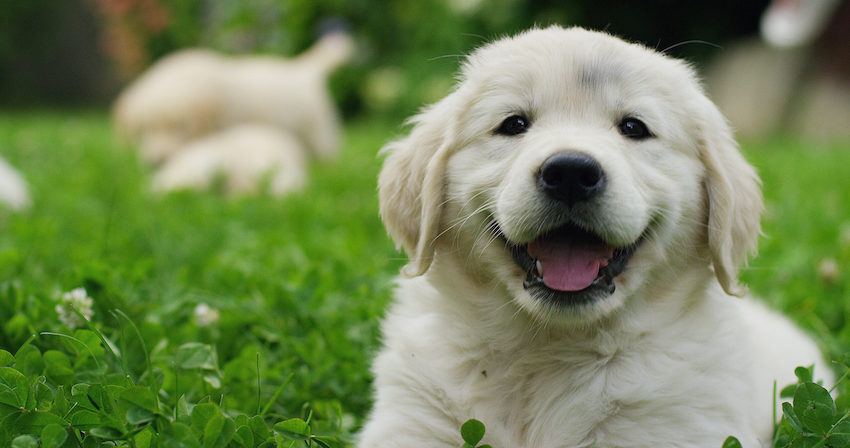
Dog people
Non-fictionWe’re social animals, humans – from the wiring of our brains to the shape of our societies. If recent pandemic lockdowns taught us one thing, it’s that we need to be physically close to each other, to socialise not just as avatars or gigabits but as live, warm, fallible bodies. Our dogs knew this ages ago.
