
Featured in
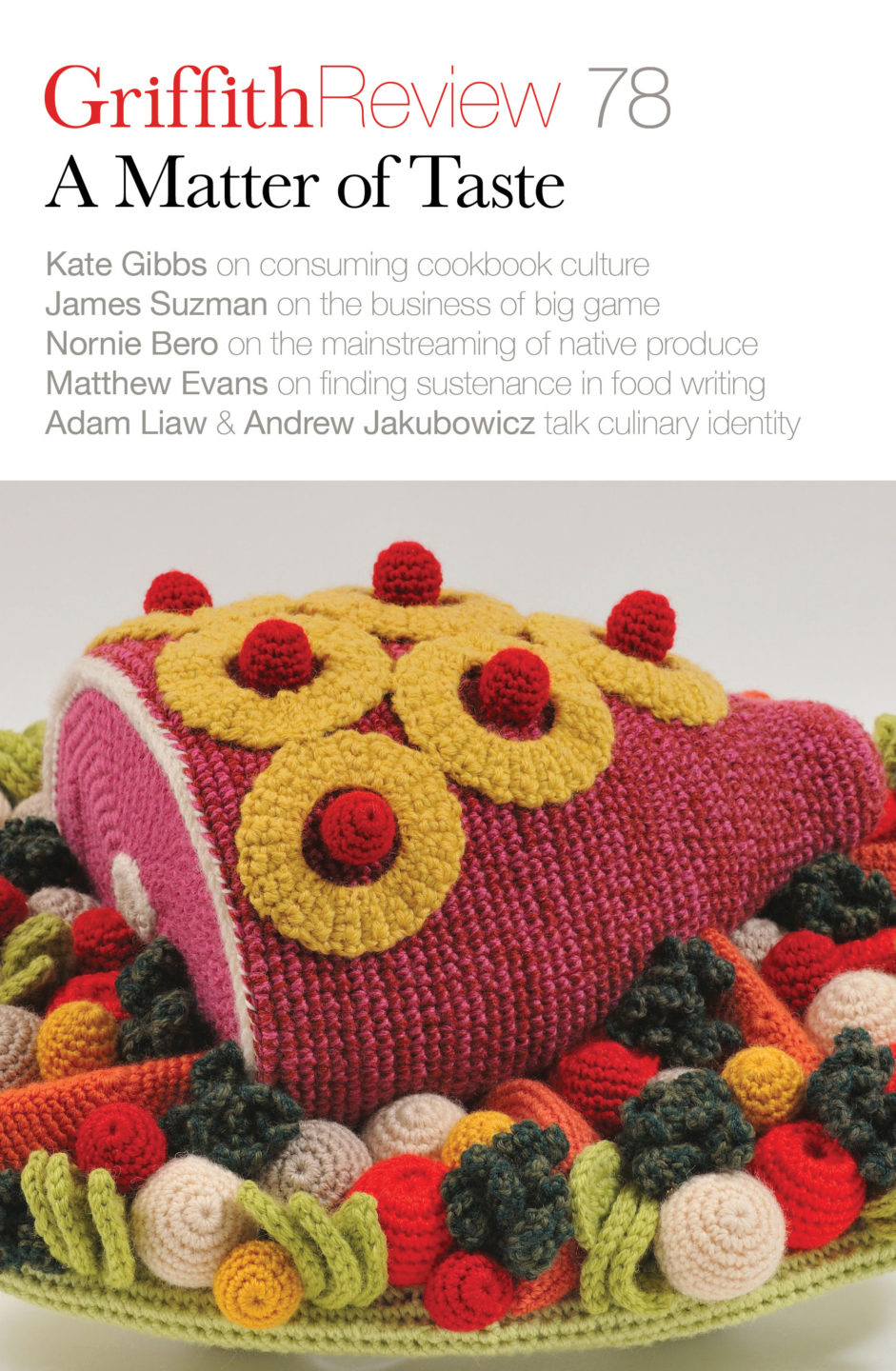
- Published 20221101
- ISBN: 978-1-922212-74-0
- Extent: 264pp
- Paperback (234 x 153mm), eBook

Already a subscriber? Sign in here
If you are an educator or student wishing to access content for study purposes please contact us at griffithreview@griffith.edu.au
Share article
More from author
We need to talk about the northwest
Essay IT HAD BEEN raining the first time I visited far northwest Tasmania. Which isn't unusual. Rain, that often-fickle decider of rural fate, falls regularly...
More from this edition
The fight for the white stuff
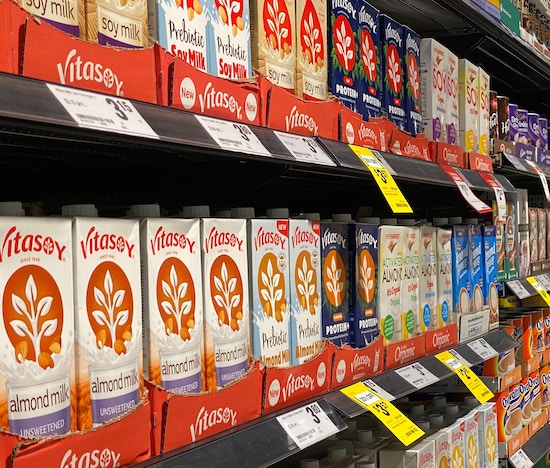
EssayAlthough non-dairy milks are hardly unique to the US, there seemed something distinctly ‘American’ about the consumerist techno-utopianism of engineered nutrition. In its seductive promises and dazzling abundance, in its massification and drive for profit, and its bold-yet-arrogant ambition, the world of plant milks became a metonym for everything I loved and loathed about US culture. Give me a carton of Blue Diamond Almond Breeze and you have given me America.

A serving of home
In ConversationI think we should be proud of where we come from and be proud of what this country can offer us. We’re unique in our food culture here – we should be embracing it, and we should ask for native produce.
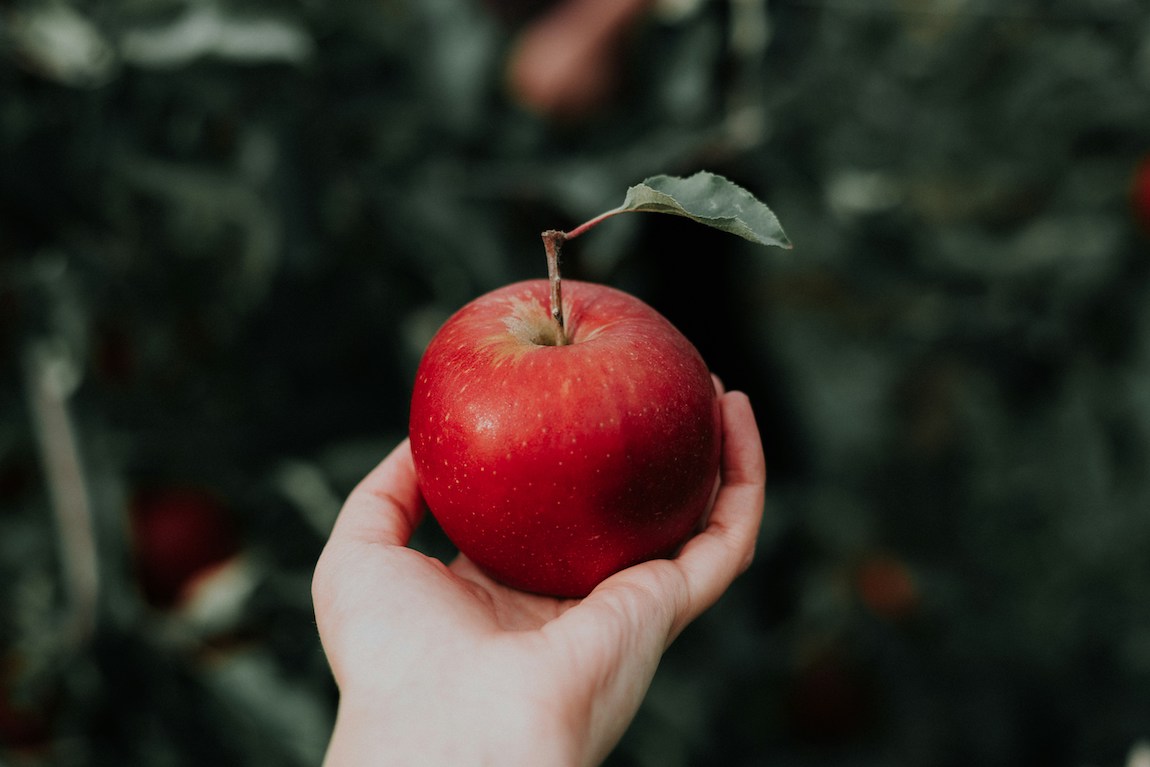
Fallen apples
EssayFrom the twelfth century in Western Europe, the apple, scientific name malus, became the forerunner for the unidentified forbidden fruit from the Garden of Eden, probably because its symbolism was already well established in Norse and Greek mythology, and the wordplay was irresistible: malus derives from the Latin word malum, which meant both evil or wrongdoing and fruit plucked from a tree.
