
Featured in
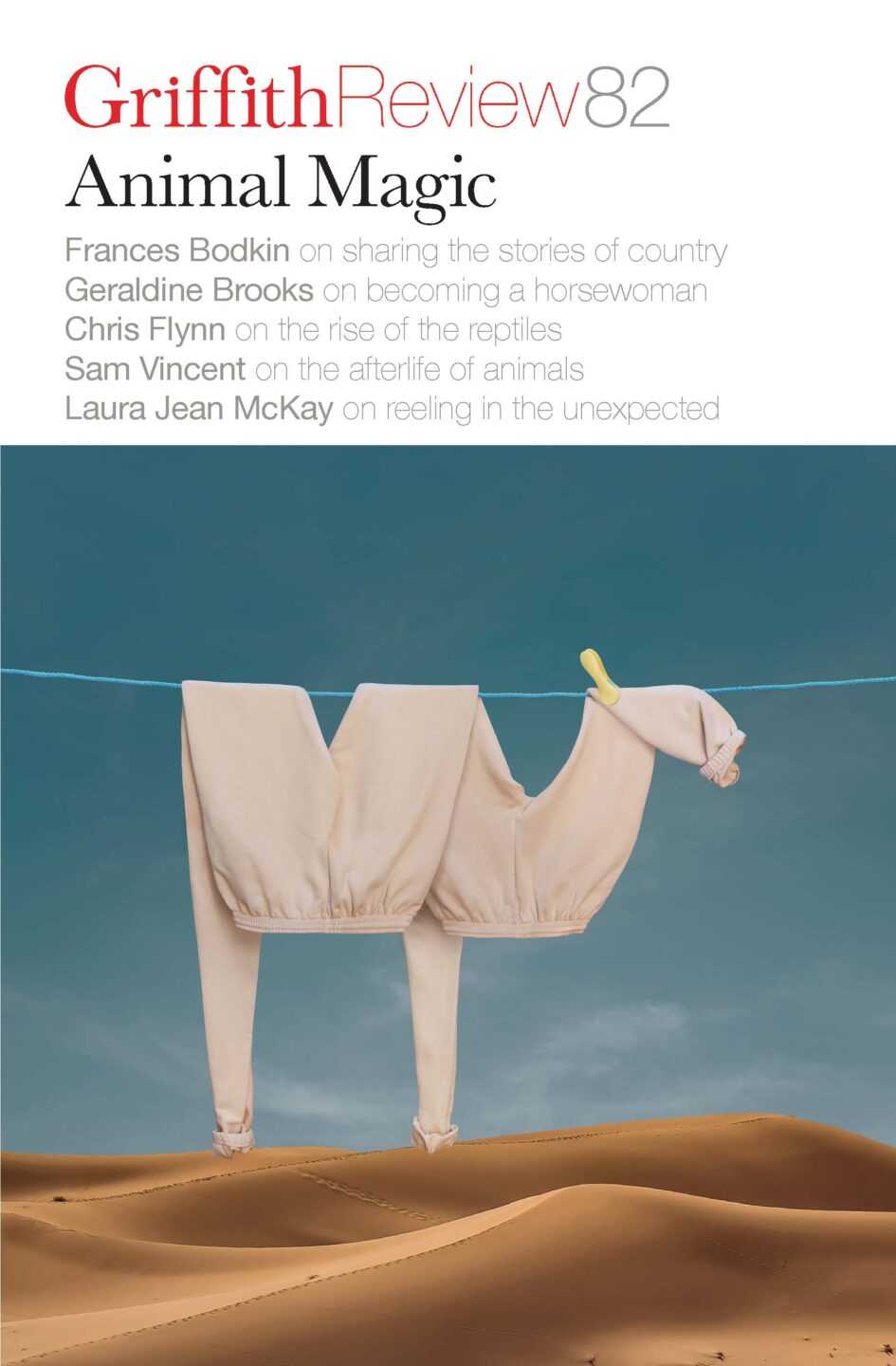
- Published 20231107
- ISBN: 978-1-922212-89-4
- Extent: 208pp
- Paperback, ePub, PDF, Kindle compatible


Already a subscriber? Sign in here
If you are an educator or student wishing to access content for study purposes please contact us at griffithreview@griffith.edu.au
Share article
More from author

Hidden tracks
Non-fictionYoung and Kucyk are as good at tracking down hard-to-find people as they are at tracking down hard-to-find music, although sometimes they do reach dead ends. Their methods aren’t particularly advanced and are often helped by luck. Sometimes they’ll raid the White Pages. Sometimes they’ll search for relatives of musicians online. Sometimes – as in the case of another song on Someone Like Me – they’ll scour through five years’ worth of archived weekly newsletters from a Seventh Day Adventist Church in the UK and Ireland and spot a tiny article that contains the full name of a mysterious musician they’re trying to find.
More from this edition
Taking the reins
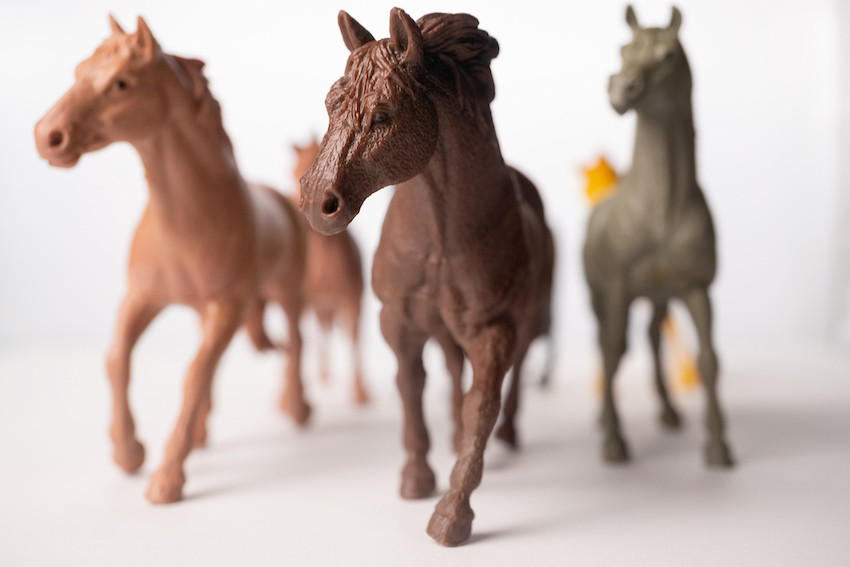
Non-fictionThat’s when it started, I think. That evening at home I cantered on an imaginary horse along the lawn towards our back paddock, reciting over and over the lines I could remember. An unusual initiation, maybe, but it was ‘The Man from Snowy River’ that set a bespectacled, bookish ten-year-old on course to becoming a ‘horse girl’.

Help wanted
Poetry The opening said no training required; the slaughterer’s tasks are two: stun and slaughter. With a third parenthetical: Remove the organs and the waste as needed. Heifers all have name tags here:...
Smoking hot bodies
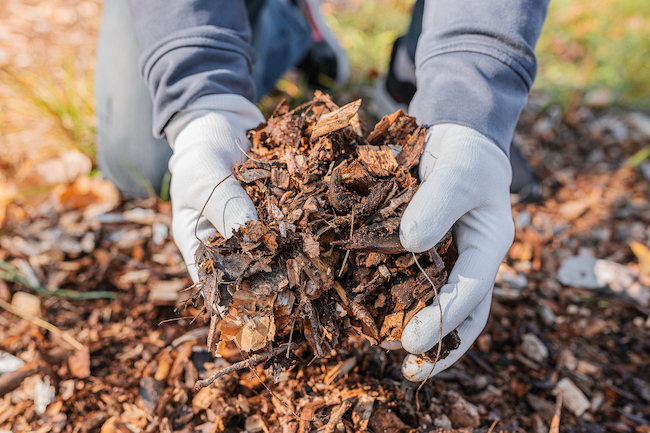
Non-fictionSince 2013, South Korea has mandated the use of compost bins for uneaten food and the country now recycles an estimated 95 per cent of its food waste. Similar schemes exist in Europe and North America, and in June, Nevada became the seventh American state – after Washington, Colorado, Oregon, Vermont, California and New York – to legalise human composting. Known as ‘terramation’ or ‘natural organic reduction’, the process entails a certified undertaker placing the cadaver beneath woodchips, lucerne and straw in a reusable box, where, with the controlled addition of heat and oxygen, it decomposes within eight weeks.
