
Featured in

- Published 20250506
- ISBN: 978-1-923213-07-4
- Extent: 196 pp
- Paperback, ebook, PDF
Already a subscriber? Sign in here
If you are an educator or student wishing to access content for study purposes please contact us at griffithreview@griffith.edu.au
Share article
More from author

The elephant in the basement
Fiction WHEN I STARTED at the museum, the place seemed normal enough. The previous exhibition had just wrapped up, so I spent much of my...
More from this edition

Resisting the ‘Content Mindset’
Non-fictionWhen we hear publishers, broadcasters or gallerists describing creative work as content, we know immediately that their approach is transactional. When we hear people describe their own work as content, they have already become complicit in their own exploitation. Social media profiles the world over feature bios identifying their owners as ‘content creators’: people who produce interchangeable matter to fill someone else’s space. Social media accounts are available free of charge on the basis that we will keep creating the work that feeds and evolves the algorithm, provides a culturally authentic context for ad placement and keeps us all scrolling – our number-one self-selected addictive behaviour.
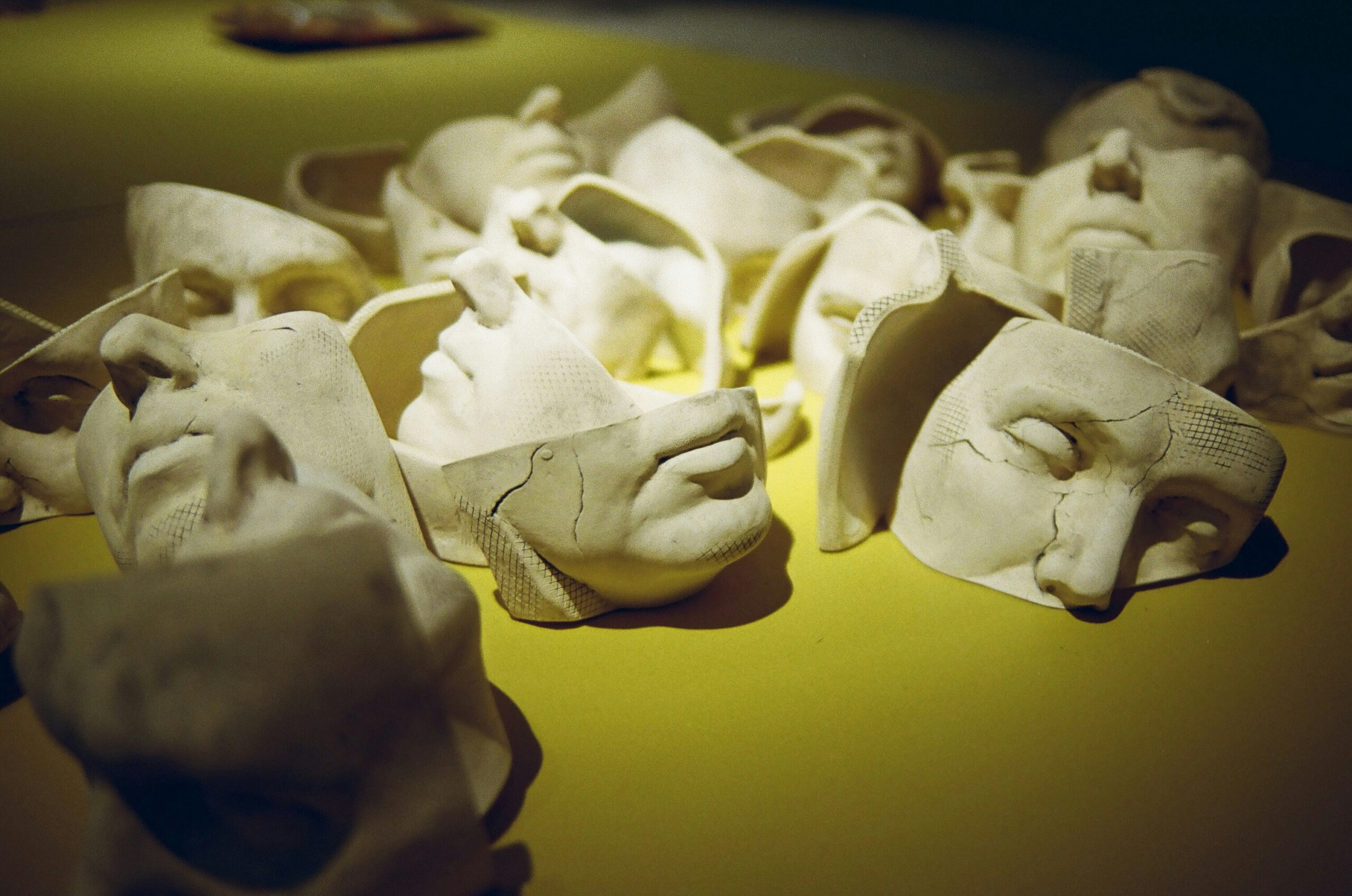
A freer state of being
Non-fiction We can’t get outside the aura. We’re part of the aura.– Don DeLillo, White Noise THE ROAD IS a serpent carving a path through the...
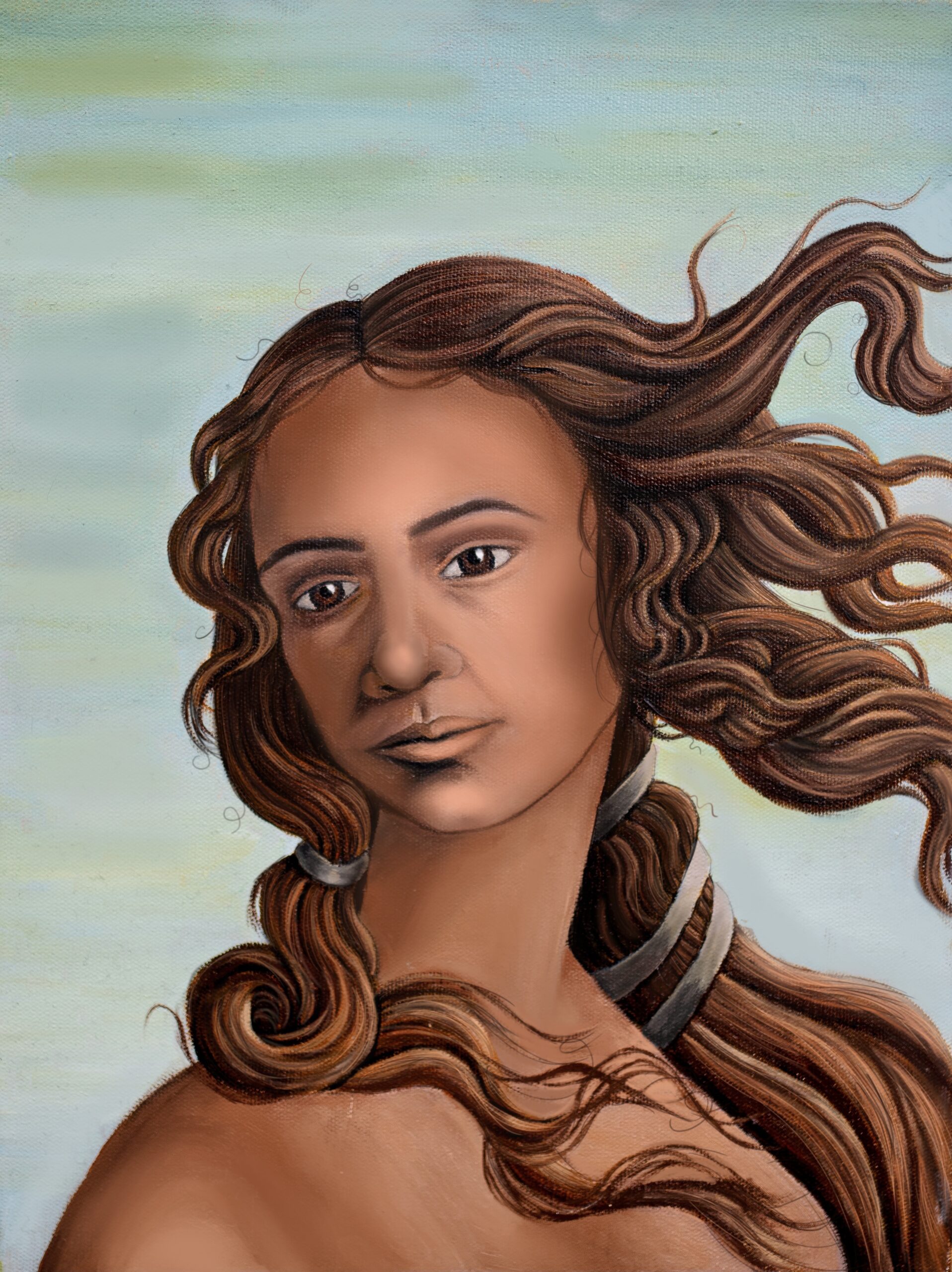
The art of appropriation
In Conversation When Brandi Salmon taught herself to paint as a teenager in country Victoria, she never imagined she’d grow up to be a full-time visual...
