
Featured in
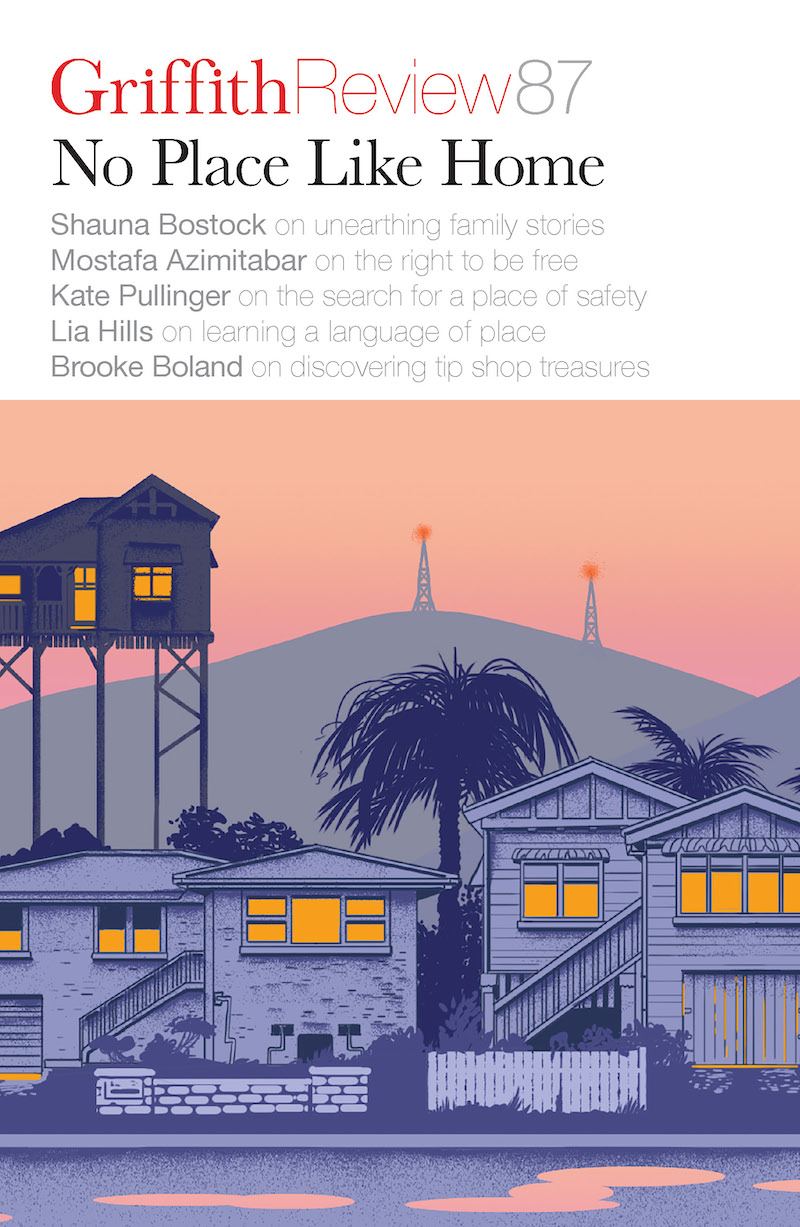
- Published 20250204
- ISBN: 978-1-923213-04-3
- Extent: 196 pp
- Paperback, ebook. PDF

Already a subscriber? Sign in here
If you are an educator or student wishing to access content for study purposes please contact us at griffithreview@griffith.edu.au
Share article
More from author

The elephant in the basement
Fiction WHEN I STARTED at the museum, the place seemed normal enough. The previous exhibition had just wrapped up, so I spent much of my...
More from this edition
Dining in
In ConversationThe intimate, private setting naturally creates a close connection between the chef and diners, making it easier for the chef to share the stories, heritage and traditions behind each dish. For diners, the cosy, welcoming atmosphere makes them feel as though they’ve been invited into a friend’s home. From a business perspective, a home-based restaurant comes with fewer overhead costs, such as rent and wages. This allows me, as the business owner, to deliver high-quality food at a more affordable price, as these expenses are not factored into the food cost.

Shelf life
Non-fictionEarly in his career, Charles Dickens notably underestimated the reputational risk of library-shelf browsing when he invited the critic George Henry Lewes home for tea. Over steaming cups, Lewes eyed naff triple-decker novels and bland travel books, ‘all obviously the presentation copies from authors and publishers’. He recalled the experience in a waspish elegy published shortly after Dickens’ death: ‘A man’s library expresses much of his hidden life, I did not expect to find a bookworm, nor even a student, in the marvellous “Boz” but nevertheless this collection of books was a shock.’

Trash and treasure
FictionIn the middle of the night he had a dream where the dirty pasta bowls he’d left out were on fire, smoking up the apartment. When he shot up in bed, he could still smell the smoke. He remembered Karim, the whole previous day and night flashing through his head. In five strides he was in the living room. Karim wasn’t on the couch. The balcony door was open and he was out there, shirtless, leaning on the balustrade smoking a cigarette. The nodules rising out of his spine pinged the moonlight over his back like a prism. Ben went out, shut the door behind him, leaned over the balcony by Karim. Their arms touched and neither of them pulled away. The forum was emptier than empty. Completely still, like they were peering into a photograph.
