
Journal
Articles
Inside it, trying
Savage describes her ideal world as one ‘where the value of creativity was not assessed against the metrics of excellence, institutional legibility, or professional viability’ – where artists ‘did not feel compelled, out of the threat of poverty or social disgrace, to professionalise’.
Who listens to CDs?
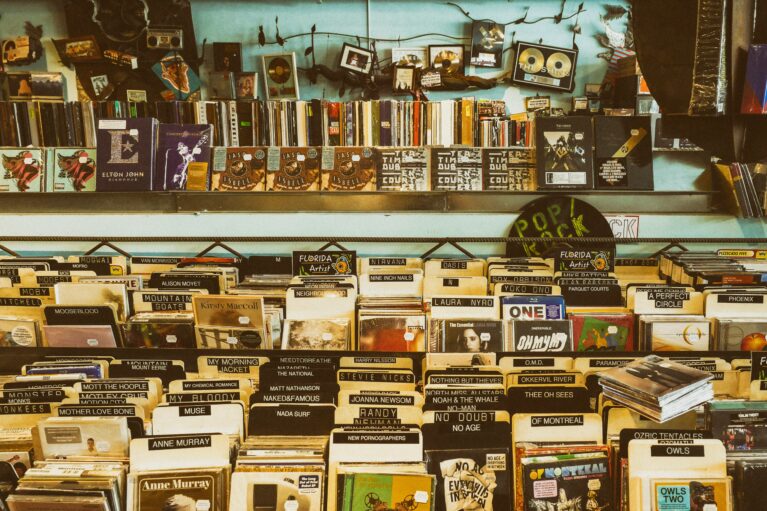
When my partner, Jerry, and I moved in together nine years ago, he was dismayed to discover my CD collection. Its existence was no mean feat. Since leaving my family home in Adelaide, I had moved fourteen times, including three overseas stints. And yet, the CDs endured.
Cruising the stranger
Welcome to the emotionally complex world of Stranger by the Lake, the 2013 French film written and directed by Alain Guiraudie that makes strangers of everyone, including the most bewildering stranger of all: the stranger each of us harbours within ourselves.
Safe haven
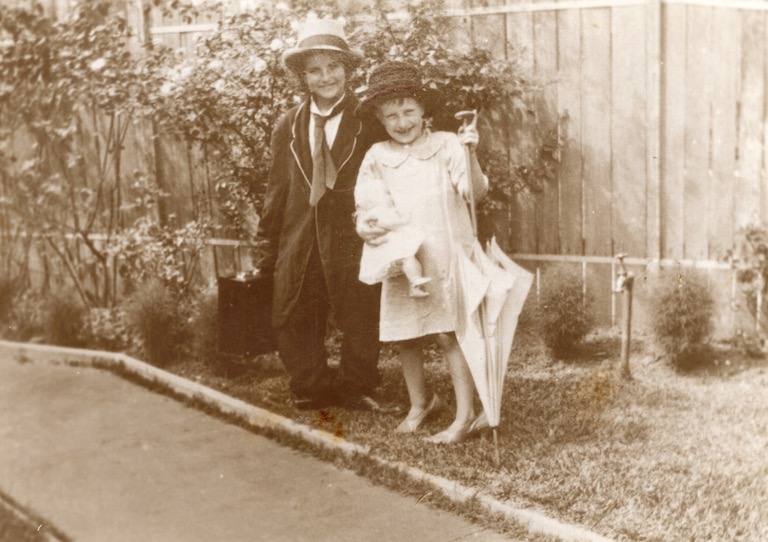
Research shows that when children are taught their genealogy, they come to understand that they are part of a larger tapestry. This is a fact that gives them strength. But as queer people, we’re raised – for the most part – in heterosexual families. Without our parents, schools or televisions enlightening us, this absence can worsen the isolation many of us experience during our younger years.
Tough love
As a Canadian, I was accustomed to wandering into any bookstore to find the latest Julia Quinn, Charlaine Harris or Robert Jordan novels. Moving to Australia in 2005 was an enormous shock to the system. Not only was I unable to find the latest Julia Quinn novel, I couldn’t find any Julia Quinn novels. Australian bookstores offered a couple of Ursula K Le Guin novels and maybe a George RR Martin if I was lucky. To me, Australia was the land that genre fiction forgot.

Our souls aglow
Like many writers, I find the idea of re-reading my past work torturous. Once I’m done with a piece, I desperately try to usher it out of my memory. Unfortunately, a piece I wrote two years ago for this platform was thrust back into my consciousness when it was reshared on Instagram. Having my old essay resurrected on social media was hard enough; the irony that it interrogates whether social media is flattening culture and taste-making was almost too much to bear.
My tiny green teacher
In June 2025, I was one of the many people emotionally wounded by a viral video clip of a little puppet named Tiny Chef (affectionately known as Cheffy) receiving some bad news. I hadn’t heard of this character and his playful children’s show, but the clip had a profound effect on me. It depicts a more potent vulnerability than many human skits achieve.
Shadow selves
This edition of Griffith Review considers all kinds of loss (and a few notable instances of its inverse). Losing something, of course, doesn’t have to
connote pain or strife: some of the essays and stories in this collection view loss as a beginning rather than an end, a shucking off of old selves or a reappraisal of old habits and ideas.
Slapton Sands
You’ll also find a Sherman tank overlooking the water. Stay with me.
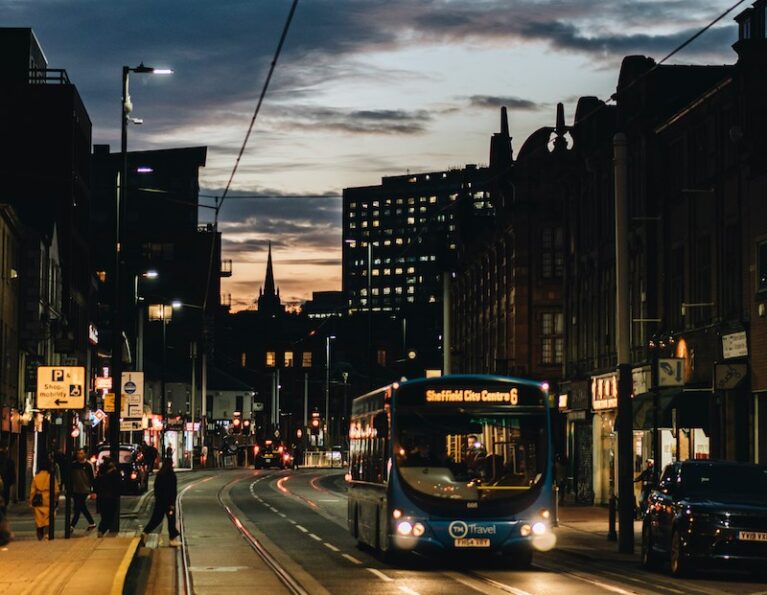
Slapton Sands is not that easy to get to if you don’t have a car – the nearest railway station is Totnes, a three-hour train ride from London, and from there it’s a bus to Kingsbridge and another to the Sands. When you arrive, you’ll find that the beach is actually made of pebbles, but that’s not important right now.
You’ll also find a Sherman tank overlooking the water. Stay with me.
Slapton Sands is not that easy to get to if you don’t have a car – the nearest railway station is Totnes, a three-hour train ride from London, and from there it’s a bus to Kingsbridge and another to the Sands. When you arrive, you’ll find that the beach is actually made of pebbles, but that’s not important right now.
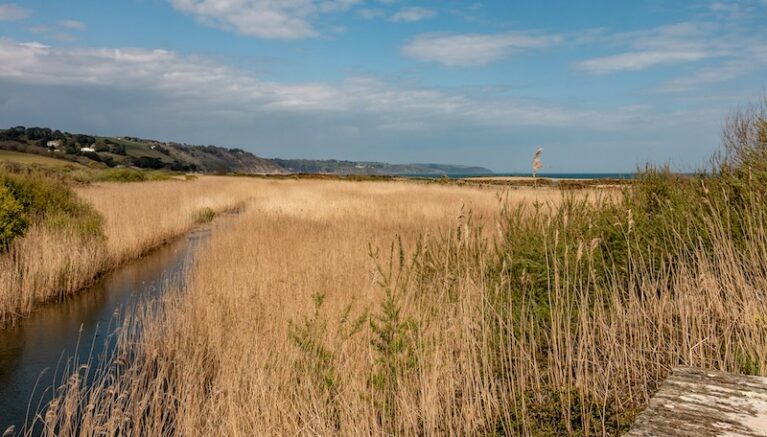
You’ll also find a Sherman tank overlooking the water. Stay with me.ON THE SOUTH coast of the United Kingdom, in the county of Devon, there’s a triangular sprawl of land that juts out into the English Channel. At its southern tip lies the wealthy sailing town of Salcombe, where a latte costs as much as it does in Shoreditch, and in peak season you’ll queue down the cobbled street for half an hour to get it. Approximately thirty miles up the coastline, there is one of Devon’s most deprived conurbations, Torquay, which sits at the heart of an area known without irony as ‘the English Riviera’. Halfway between the two is Slapton Sands.
Slapton Sands is not that easy to get to if you don’t have a car – the nearest railway station is Totnes, a three-hour train ride from London, and from there it’s a bus to Kingsbridge and another to the Sands. When you arrive, you’ll find that the beach is actually made of pebbles, but that’s not important right now.
You’ll also find a Sherman tank overlooking the water. Stay with me.
Gut feeling
A little while later, the judge leans her head on her hand and says, Mr Brain, were you touching their breasts as part of your Christianity, or were you just touching their breasts?
I sit up straighter, as though ready to stand for the first hymn.

Mirror, mirror
I have lost my face. This is not a metaphor; I no longer recognise myself in mirrors. I know the facts: I’m wearing the face I’ve always worn, the same muscle, the same scaffolding of bone – but recognition is a different order of knowing. My sense of kinship is gone. I stare and a stranger stares back.
Bad teeth
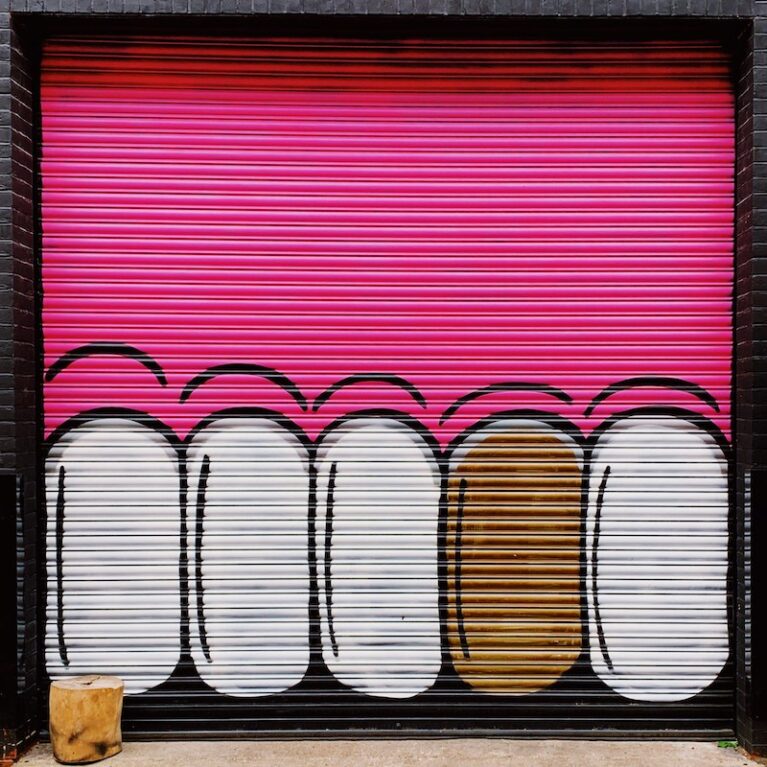
I have my own serious questions: what’s the truth about teeth? Teeth can be a vessel for so many things we want to believe in – whether those things are lies (imaginative or otherwise) or the truth is irrelevant. Teeth can go from magical to mundane in an instant. From beautiful to ugly, from correct to wrong and back again.
