Masters of the future or heirs of the past?

Mining, history and the right to know

Featured in
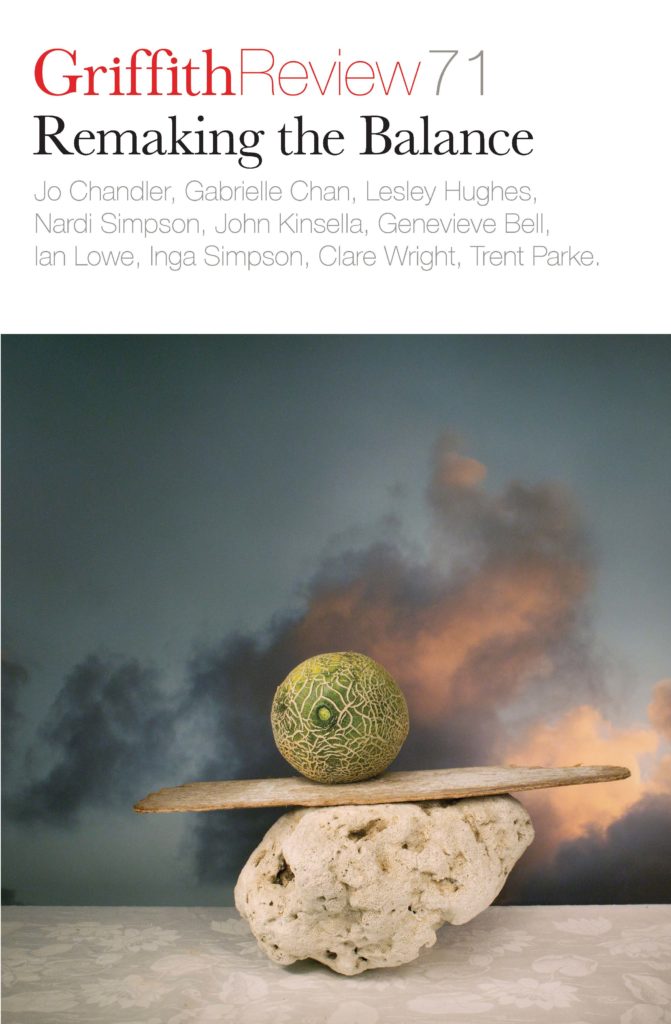
  • Published 20210202
  • ISBN: 978-1-922212-56-6
  • Extent: 264pp
  • Paperback (234 x 153mm), eBook

IN MAY 2020, the international mining giant Rio Tinto made a calculated and informed decision to drill 382 blast holes in an area of its Brockman 4 mining lease that encompassed the ancient rock shelter formations at Juukan Gorge in Western Australia’s Pilbara region. In a matter of minutes, eight million tonnes of ore were ripped from the earth, and with them, 46,000 years of cultural heritage destroyed.

The Puutu Kunti Kurrama Pinikura people, who are the traditional owners of that land, lost their material connection to sacred sites of ceremonial, clan and family life, the basis for their political and social organisation. The Australian people lost a significant chunk of their national estate. As Marcia Langton lamented, not only had the PKKP people been robbed of their cultural inheritance, but the world lost out too, because the Juukan caves ‘held significant evidence for the further understanding of human history’.[i]

Already a subscriber? Sign in here

If you are an educator or student wishing to access content for study purposes please contact us at griffithreview@griffith.edu.au

Share article

More from author

Birth of a nation?

EssayIN FEBRUARY 1902 – just thirteen months after the Australian colonies federated to become the world’s newest nation – a tall, slender woman from...

More from this edition

Sitting with difficult things

EssayAS A CHILD in the early 1970s I would sometimes overhear my parents discussing how much commercial television I should be allowed to watch. The shows...

Gifts across space and time

EssayA speak/listen trade will always include things that have never been thought or said before as well as the word gifts I wish to give. When things like this appear in a trade, don’t worry – it doesn’t mean I am making things up or holding information back. I’m not ripping you off! It is a sign there is respect in the speak/listen relationship. It is proof the relationship is alive, growing, and we are learning together. This happens a lot when people meet to talk about culture and cultural things.

Stay up to date with the latest, news, articles and special offers from Griffith Review.