
Featured in
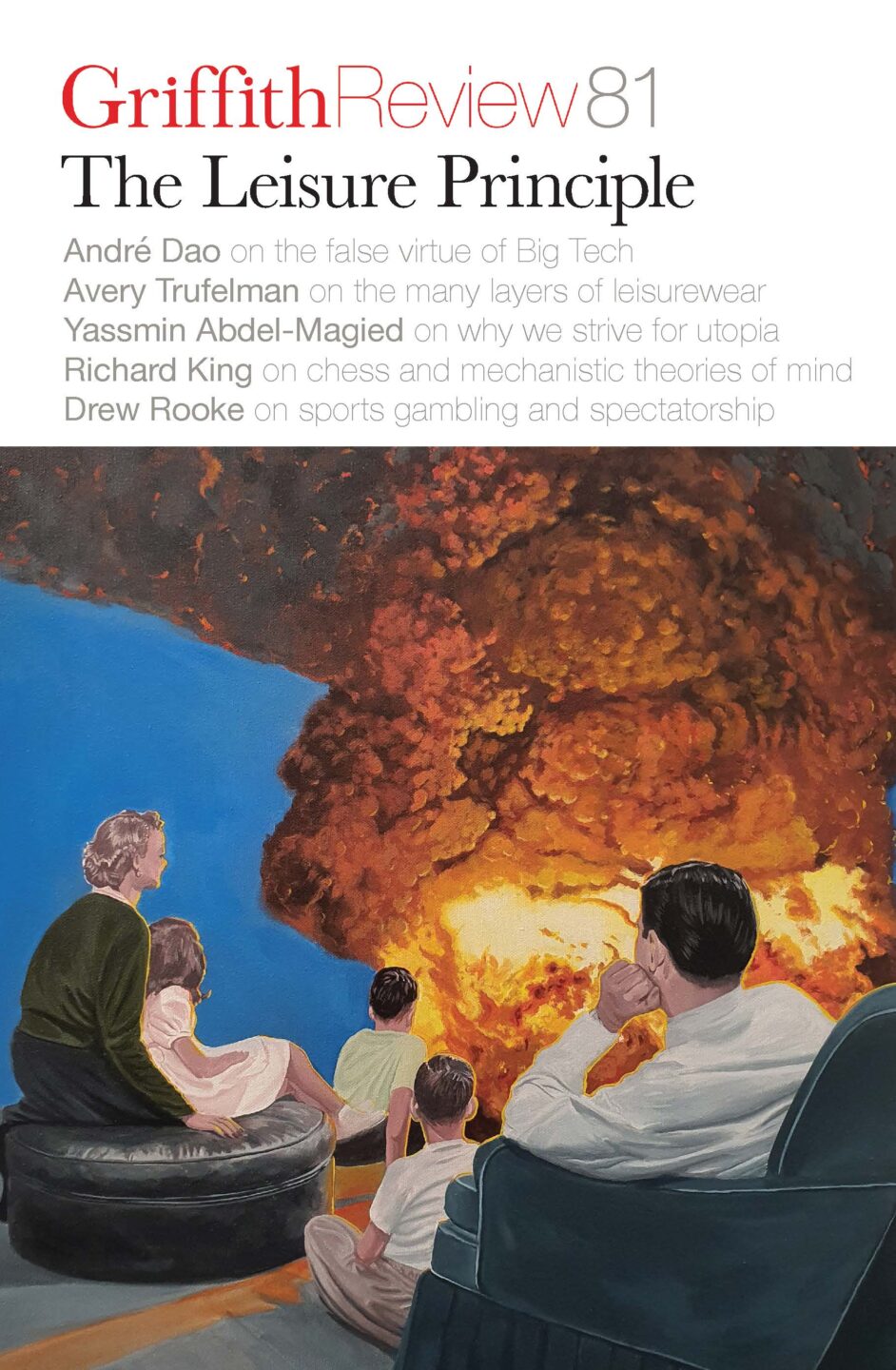
- Published 20230801
- ISBN: 978-1-922212-86-3
- Extent: 200pp
- Paperback (234 x 153mm), eBook


Already a subscriber? Sign in here
If you are an educator or student wishing to access content for study purposes please contact us at griffithreview@griffith.edu.au
Share article
About the author

Jade Peters
Jade Peters’ fiction has appeared in The Suburban Review. She grew up on unceded Dharawal land and now lives in Naarm (Melbourne).
More from this edition
Revolutionary wave
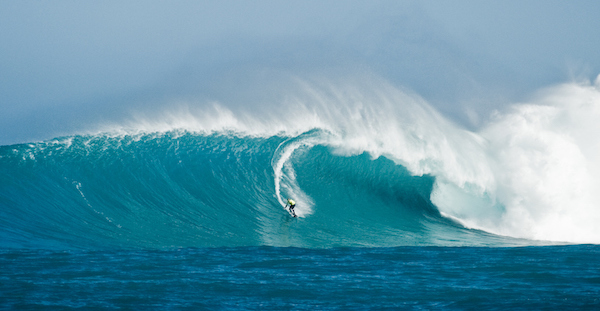
Non-fictionThis was the late ’60s, early ’70s and surfing in Wales was regarded by the parent generation as delinquency. It was for losers, layabouts, rogue males. In those early days Welsh surfers numbered around one hundred, congregated on half a dozen beaches down fifteen miles of coastline west of Swansea, known as the Gower. I knew each one of those surfers by the styles they deployed on the waves. So idiosyncratic was early Welsh surfing that out on the road if you saw a car with boards on the roof coming at you, both drivers would pull over for a chat.

‘A world we must defend’
Non-fictionSchools across Australia banned Pokémon in an attempt to regain control, but this only caused the franchise mania to intensify. Now Pokémon wasn’t just fun – it was also illegal, which meant it was dangerous, which meant trading cards on campus made you a risk-taker, which meant you were seen as fearless, which meant that you were dangerous.

Louche
Poetry On the bleached beachof café seats, he’s drenched, hairslicked, tarnished as tinespulled up from a shipwreck, savea naughty part:silver forelock a hookswaying as he...
