
Featured in
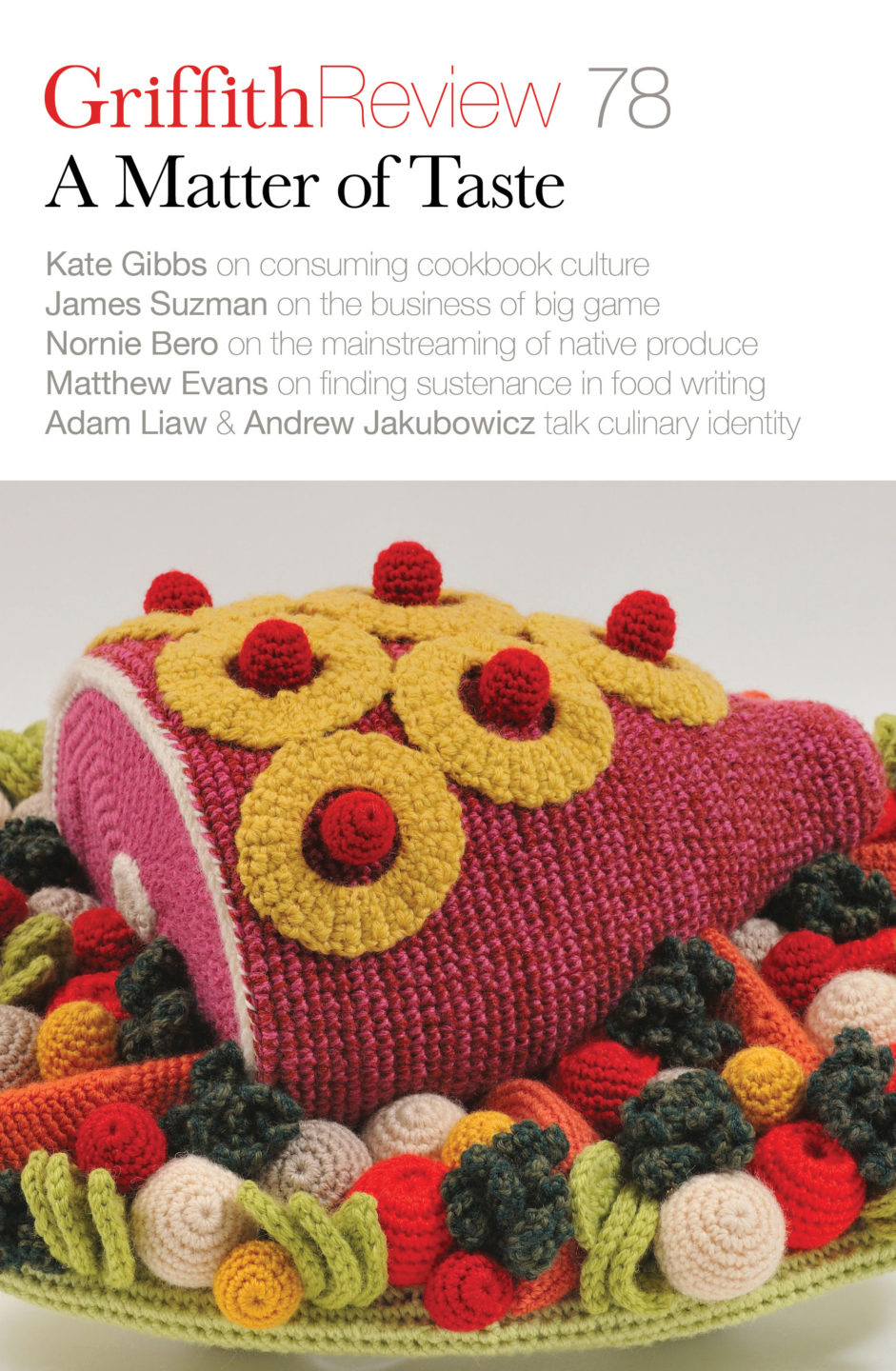
- Published 20221101
- ISBN: 978-1-922212-74-0
- Extent: 264pp
- Paperback (234 x 153mm), eBook
Already a subscriber? Sign in here
If you are an educator or student wishing to access content for study purposes please contact us at griffithreview@griffith.edu.au
Share article
About the author
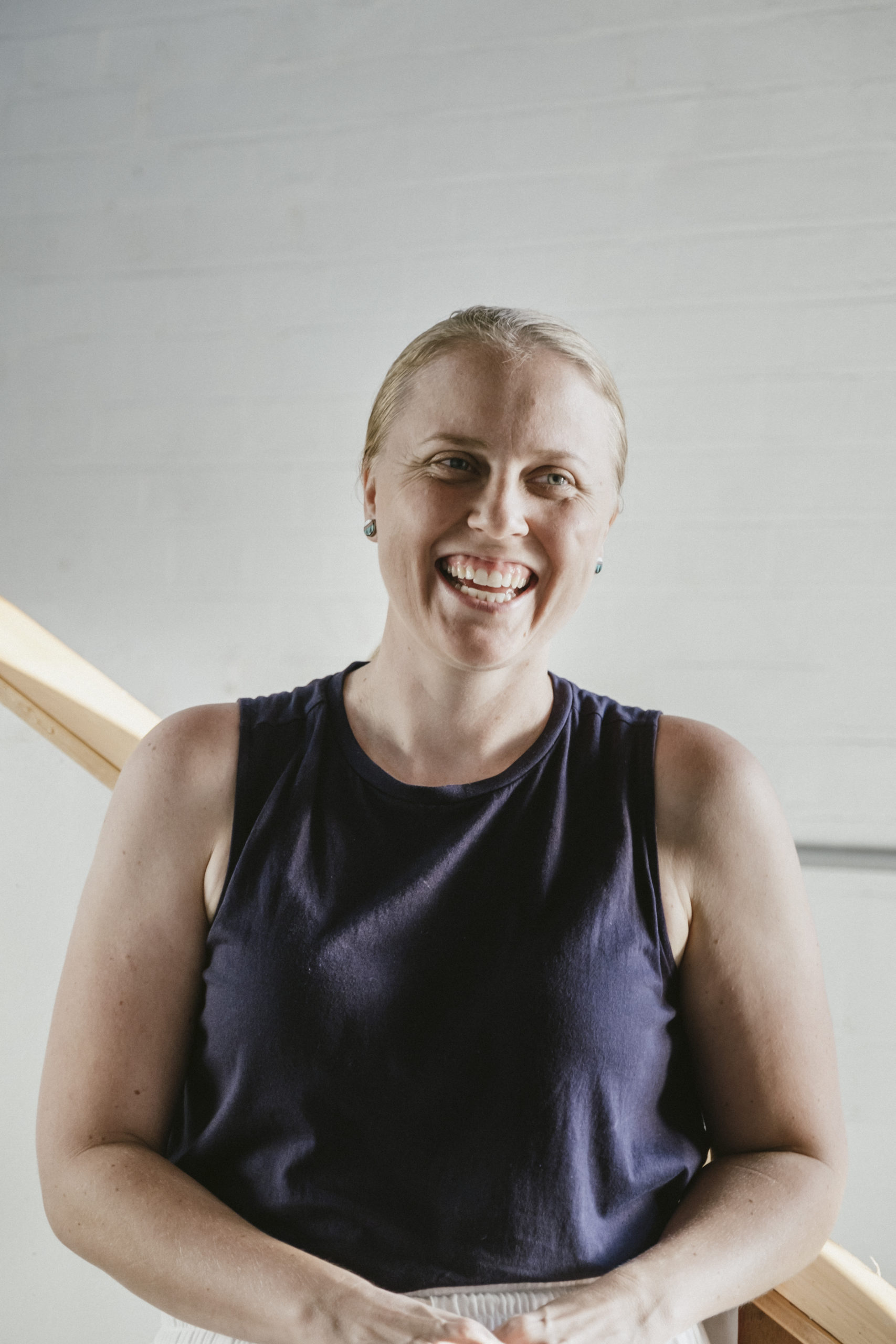
Elizabeth Willing
Elizabeth Willing is a Brisbane-based visual artist. Her exhibitions and concept meals have been held in Australia and overseas at Trapholt Museum of Art...
More from this edition
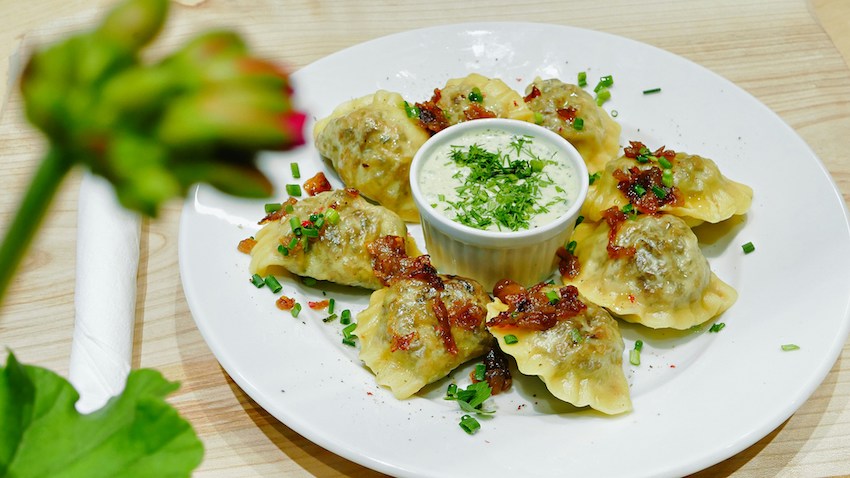
Changing palates
In ConversationWe were accidental arrivals, I think is the best way to put it. My parents were refugees from Poland. They were Jewish citizens of Poland and they basically flipped a coin and made a run for it.
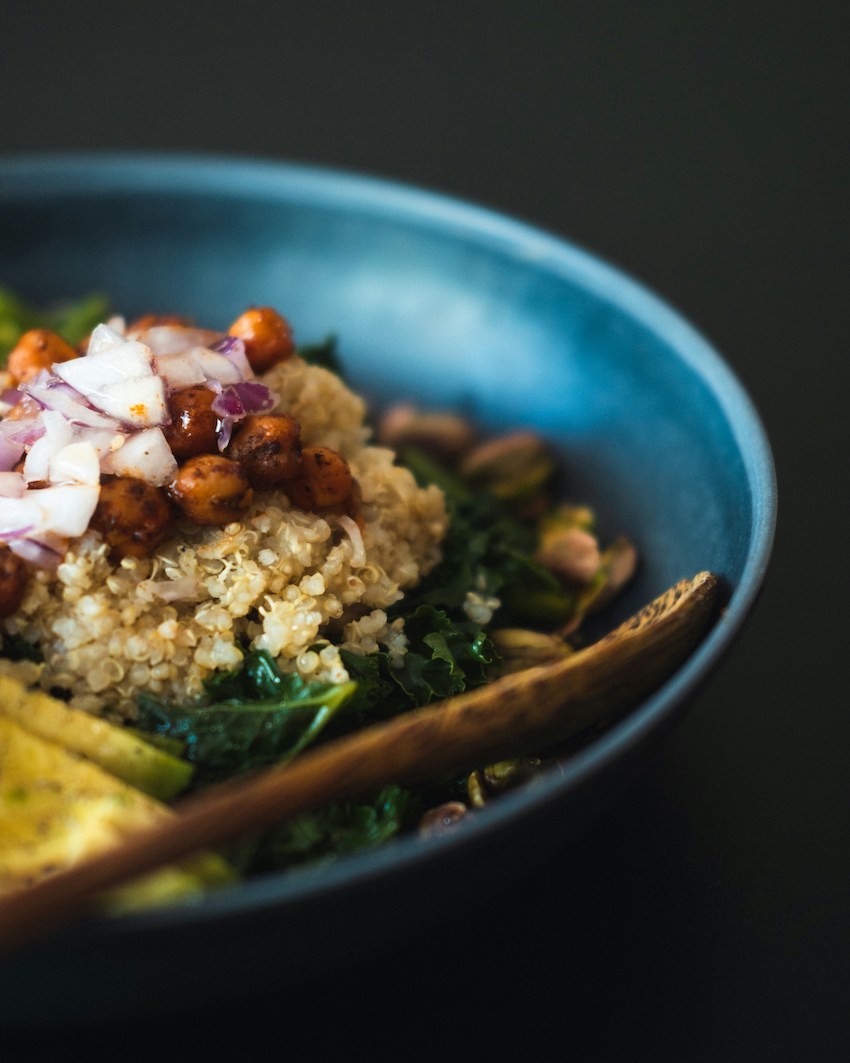
Quinoa nation
FictionWe don’t stock Gwyneth Paltrow’s cookbook. I know this because Amanda thinks Gwyneth Paltrow is goofy, despite Amanda and Gwyneth Paltrow being the same person. Our customers are Gwyneth Paltrow’s target demographic. If Gwyneth Paltrow wrote a novel our book club would literally devour it.

Old stars
FictionI found Archie by the shallow end wearing a short terry-towelling robe open to the waist. Time and tide had left him shipwrecked and bloated, but you could still recognise him from the pictures on his album covers: same dark pouf and ducktail and duotone tan, only now he got his colour from a bottle and his hair from a can. He’d been drinking gin and tonic since happy hour started, brought out by an over-attentive waitress.
