

Welcome to GR Online, a series of short-form articles that take aim at the moving target of contemporary culture as it’s whisked along the guide rails of innovations in digital media, globalisation and late-stage capitalism.
A moment of wonder
When Elizabeth Blackburn became Australia’s first female Nobel Laureate in 2009, the media focused not on her research but on the ‘challenges’ she reportedly faced as a woman in science. Her journey was not dissimilar to mine – she had supportive parents and teachers as well as champions at work who helped her focus her passion – so there are clearly other factors at play here.
The lists
I want to hold her. She doesn’t know it yet, but her world is about to change. Yes, all the things happening at home are bad and it’s an open secret throughout town, but she doesn’t know how much further she has to fall.
Endless summer
In a perfect world, every season would be summer – a time of seemingly endless promise. At least, that’s how I remember the summers of my youth: freedom from the confines of school or university, with nothing but lengthy, sun-filled days of play and pleasure. As pleasing as the nostalgic image is, I know it isn’t true.
There’s something wrong
Almost twenty years ago, before I left my parents’ house – my home, my country, my continent – to adventure into a new world, I did the maths. If I visited my parents every week for the rest of their lives, I might be able to spend another year with them.
Let’s talk about tax, baby
If I were a global supervillain intent on shoring up my ill-gotten gains, where would I hide the piece of the puzzle that could cause my downfall? As any keen reader of Greek myth or Nancy Drew knows, the best place to conceal something is in plain sight. The word ‘tax’ is the ultimate anti-clickbait; nothing is less likely to get the Average Joel to the barricades than a three-week conference on ‘progressive taxation for an inclusive and just social organisation of care’.
Back to the future
What I find most interesting about the work that’s starting to crystallise on UBI and similar programs is not so much that people choose to continue working in addition to receiving a basic, survivable income – that always seemed obvious to me – but that in almost every study, one of the benefits that accrues is, quite literally, a future.
Pay writers like politicians
When we talk about Australian books and writers today, we often find ourselves talking about money. Like patients with chronic illness, we’ve become adept at enumerating the symptoms of our malaise. We talk about broke writers and broke publishers and broke editors. Is anyone making any money? We talk about the cost of books and the cost of paper. We talk about writers’ incomes and the salaries of publishing staff. We talk about the cost of housing and university redundancies. There simply isn’t enough grant funding to go around. We talk about who can’t afford to write. We talk about the indie publishers selling out to multinationals because the margins are too tight. We talk about the market – the market for Australian literature that’s so small, even a prize-winning bestseller doesn’t bring financial security to its author. The market can’t be trusted with our national literature – unless what we want is self-published erotic fiction, which is apparently where the money lies. We talk about the obscenity of wealthy tech corporations shitting on copyright. If tech companies won’t pay writers, who else will?
Even when we’re not talking about money – when we’re talking about our hopes for a national literature, or whose stories should be told, when we’re talking about easy reading, or books that infantilise their readers, or how to safeguard freedom of expression, or the moral principles at stake in wholesale breach of copyright – our conversations are caveated and curtailed by the money question. At our most ambitious, we talk about how to pay writers a living wage.
No small change
As a 2022 industry survey showed, around 50 per cent of respondents – people who also worked in the literary sector – went to private school, compared with only 36.7 per cent of current Australian students. Considering private school numbers are now at an all-time high, the percentage for the total population would have been far lower when these graduates were entering the workforce. Put simply, these figures show the publishing industry is not representative of the Australian public.
The tale of the innocents
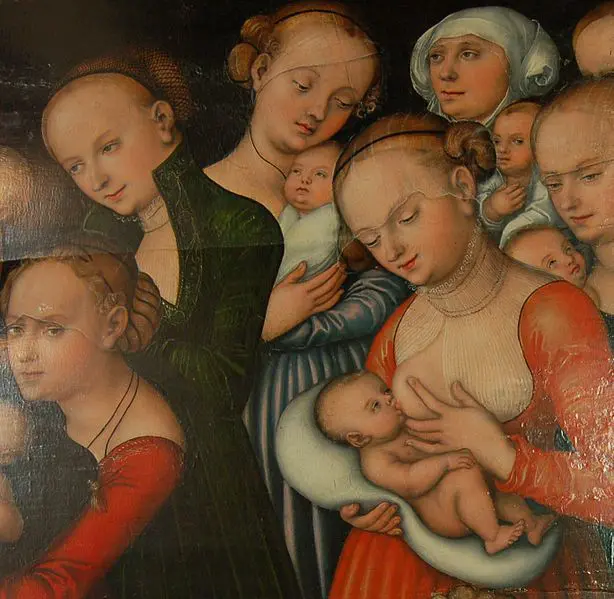
All women’s domestic labour is finite and takes a heavy bodily toll. Breastfeeding requires calories, sleep and rest; fatigue and illness can set in, lives can end, and there are only so many hours in a day. The difference now is that such reproductive work is assumed and silenced in a different institution: the atomised single-family home.
The cost of living
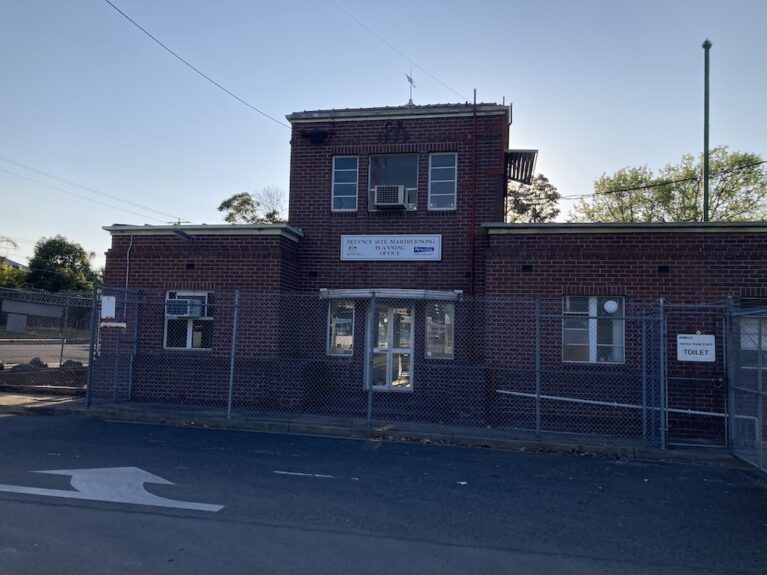
IT’S DIFFICULT TO know how to honour stories about a site that remains
vacant, its future as unanswerable as the past we can’t reconcile. In community
meetings, well-meaning
locals asked that we celebrate both histories, as if
they are two different things, while the cost of environmental remediation
inhibits both government and the private sector from doing anything. And
the site remains silent, unable to articulate what happened or how to move on.
Noticing teeth
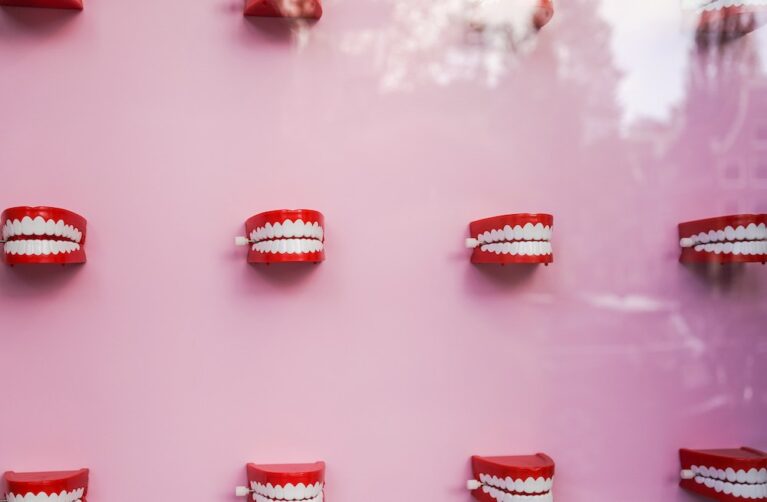
TEETH ARE ONE of the most visible markers of poverty: structural circumstances that are individually borne. In an essay for Aeon, US journalist Sarah Smarsh calls them ‘poor teeth’. She writes: ‘Often, bad teeth are blamed solely on the habits and choices of their owners, and for the poor therein lies an undue shaming.’ And: ‘Poor teeth…beget not just shame but more poorness: people with bad teeth have a harder time getting jobs and other opportunities.’ In the age of ‘whitened, straightened, veneered smiles’, the distance between ruined poor teeth and healthy, wealthy teeth is growing.
Disturbing affections
PART I: POSSESSIVE RELATIONS Acquisition. In the movie American Psycho, the main character, Patrick Bateman – a yuppie serial killer...
