
Featured in

- Published 20250506
- ISBN: 978-1-923213-07-4
- Extent: 196 pp
- Paperback, ebook, PDF

Already a subscriber? Sign in here
If you are an educator or student wishing to access content for study purposes please contact us at griffithreview@griffith.edu.au
Share article
More from author
Reluctant farewell to a trusted companion
I visited the Metropolitan Museum of Art, the Guggenheim, the Museum of Natural History, basically anywhere that allowed strollers. I spent a lot of time in Barnes & Noble on 86th (which is now, depressingly, a Target). There was even special stroller parking on the kids’ level.
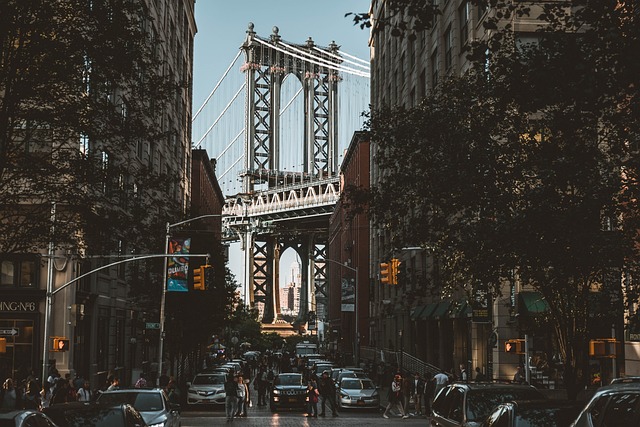
In fact, I didn’t really go anywhere that I couldn’t get to with the stroller. The children and I only left Manhattan a total of nine times the entire year (three times to go to the New York Botanical Garden in the Bronx, twice to go to a Greek restaurant in Astoria that had an extremely high Zagat rating and was very good, once to go to the Bronx Zoo, once to go to Brooklyn to see what all the fuss was about, once on the train to Boston and once we hired a car to drive to Washington, DC to spend Easter with friends). That was it.
Here was the thing – the red double stroller gave me the freedom and security of knowing that I could go outside with both children, be completely prepared with all my accessories and baby/toddler supplies and everything would be okay. If I could make a plan to leave the apartment and walk there with the stroller, I would do it.
More from this edition
A freer state of being
Non-fiction We can’t get outside the aura. We’re part of the aura.– Don DeLillo, White Noise THE ROAD IS a serpent carving a path through the...
From the hills of Killea
Non-fictionShe lived alone with five horses, five dogs, three cats, three geese and two ducks. She had escaped Manchester under Thatcher, gone off the grid in Tipperary and never returned. She said mass suicide was the only answer to climate catastrophe. She was the most interesting person I had ever met. Before dawn, I would write. By daybreak, I would find a pair of wellies and then muck out the stables, wheeling huge barrows of horseshit across her yard to a pile the size of a fire truck. There was little time to rest. The stove needed to be fed, constantly, with bricks of peat to keep the house warm. The horses needed to be given hay five times a day. The geese needed guarding from the foxes. I learnt to care for animals, to give them my attention.

Very online feelings
Non-fictionIn 2013, the Oxford English Dictionary declared ‘selfie’ its word of the year, and Twitter later declared 2014 ‘the year of the selfie’ after the term was mentioned more than ninety-two million times on the platform – a twelve-fold increase from the previous year. It was in this context that influencer selfies provided templates and scripts to spur more consumption and more desire, taking commodification of the body and the self to the next level. For instance, influencers popularised a whole ‘science’ around how to craft the most desirable faces through cosmetics and surgery, how to perform authenticity through ‘casual selfies’ that felt extra sincere but that also required extra behind-the-scenes effort, and how to assuage tensions arising from accusations of excessive plastic surgery and ‘fakery’. Selfies were reclaimed, transformed by their creators from expressions of mere vanity to useful tools of subversive frivolity. Influencer couples also sold us benchmarks of romantic perfection through carefully orchestrated couple photographs, love declarations on social media and ‘rules’ about how to be the perfect partner.
