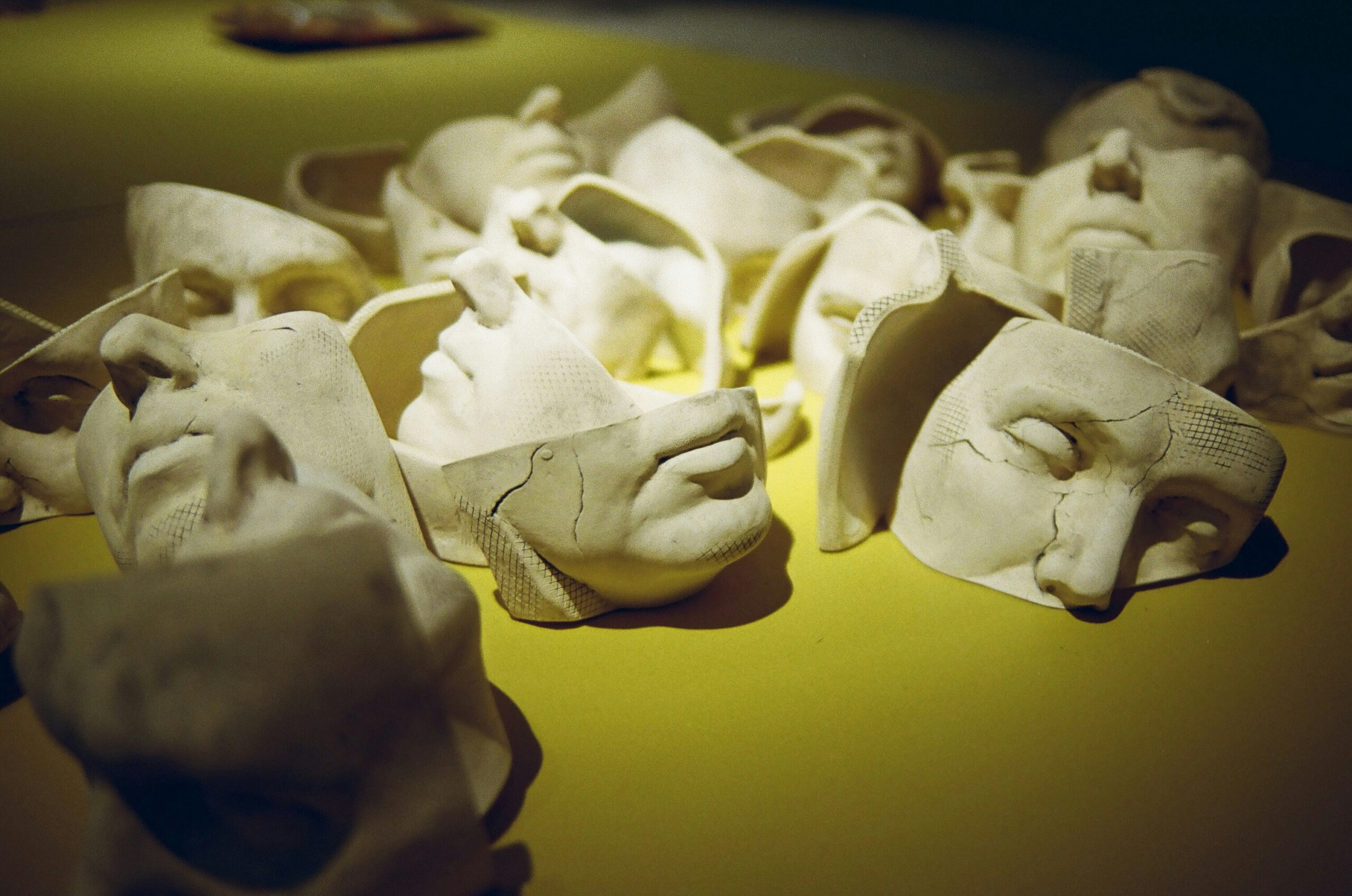
When the ships become water nymphs

Featured in

  • Published 20250506
  • ISBN: 978-1-923213-07-4
  • Extent: 196 pp
  • Paperback, ebook, PDF

Swans that are almost swans, sharp-tongued fruits, 

mocking sheep farmers whose faces grow woollen,

Already a subscriber? Sign in here

If you are an educator or student wishing to access content for study purposes please contact us at griffithreview@griffith.edu.au

Share article

More from author

Bonfire

FictionIt was a loud dinner. Everything was loud. The murmuring soundtrack of free jazz seemed to emphasise laughs and guffaws. He grew drunker and drunker and toyed with his food, which no one even noticed. Normally, he would wolf down everything they cooked, but he twisted his fork in the spaghetti and just kept twisting. As he was on serving duty, he cleared it up without anyone even registering he’d barely taken a bite.

More from this edition

Creative industry

Non-fictionIn the 1990s the term ‘cultural economy’ brought a double meaning to creative work. First, it captured the cultural dimensions of economic activity, like packaging design or marketing, and gave them an artistic dimension. Second, it referred to an expanding category of economic activity concerned with cultural goods and undertakings centred around value and profits. It would see the ascendancy of creatives to the C-suite, where companies across a range of industries appointed chief creative officers (CCOs) to oversee ‘creative activities’ and align them to corporate strategies and visions. Scan through job descriptions and you’ll see that CCOs are expected to be strategic leaders and ‘igniters’ of creative intuition within organisations. CCOs are charged with finding more ‘creative solutions’ to problems that often stretch beyond an organisation’s core operations.

An image of a lush forest at sunrise. The tall, thin trees are cast in shadows as the sun rises in the background.

From the hills of Killea

Non-fictionShe lived alone with five horses, five dogs, three cats, three geese and two ducks. She had escaped Manchester under Thatcher, gone off the grid in Tipperary and never returned. She said mass suicide was the only answer to climate catastrophe. She was the most interesting person I had ever met. Before dawn, I would write. By daybreak, I would find a pair of wellies and then muck out the stables, wheeling huge barrows of horseshit across her yard to a pile the size of a fire truck. There was little time to rest. The stove needed to be fed, constantly, with bricks of peat to keep the house warm. The horses needed to be given hay five times a day. The geese needed guarding from the foxes. I learnt to care for animals, to give them my attention.

Less than human

Non-fictionWhat elevates Miku and makes her significant in our cultural landscape is her accessibility. Unlike traditional celebrities, who, even if they want to be accessible to their fans, only have so much time and can’t be perpetually available, Miku is software that anyone can buy and use. It only costs $200 and doesn’t require particularly advanced technical skills. Most of the people who produce Miku music are self-taught. One of the enduringly popular things about the concerts is that everything you see essentially comes from fans – the music, costuming and dance routines are all drawn from the expansive ‘Miku community’, where the lines between amateur and professional are deliberately blurred by everyone involved. You’re as likely to hear a song produced through a record label as you are one that was popularised by YouTube.

Stay up to date with the latest, news, articles and special offers from Griffith Review.