No secret passageway

Stories of flight and migration

Featured in

  • Published 20250204
  • ISBN: 978-1-923213-04-3
  • Extent: 196 pp
  • Paperback, ebook. PDF

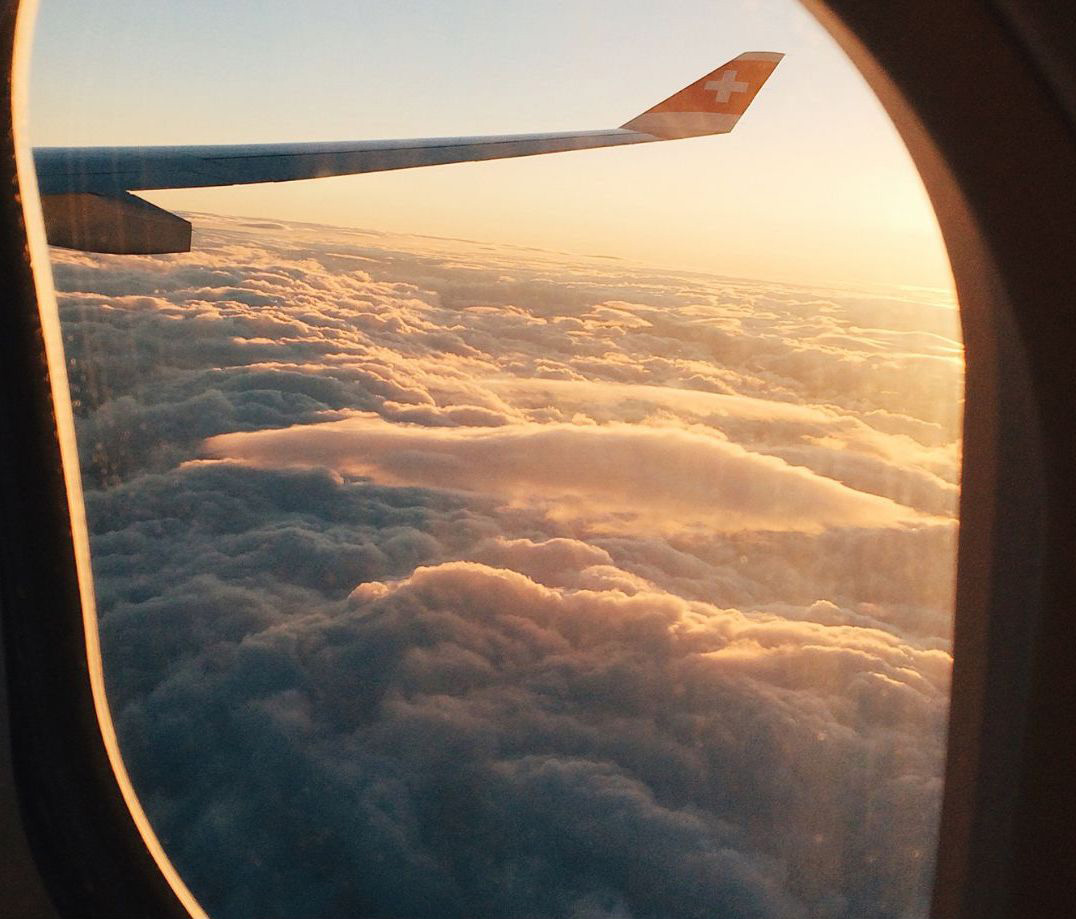
IN 2001 I read an article in The Guardian newspaper about a man who fell from the sky, landing in a superstore car park not far from where I live in London. The article, by journalists Esther Addley and Rory McCarthy, detailed how the Metropolitan Police discovered the dead man’s identity through a combination of luck, Interpol and British-Pakistani community workers. Muhammad Ayaz had managed to slip through security at Bahrain airport, run across the tarmac and, according to witnesses on the plane, disappear beneath the wing of the British Airways Boeing 777. The article quotes a spokesman from the International Air Transport Association: a myth circulates that there is a ‘secret hatch from the wheel bay into the cargo bay, and then into the passenger cabin, as if it were a castle with a dungeon and a series of secret passageways’. No such passageway exists and Muhammad would have found himself trapped in the wheel bay with no oxygen, no heating and no air pressure as well as no way out. If he wasn’t crushed or burned by the retracting wheels, he may have frozen to death once the flight reached 30,000 feet, finally falling out hours later when the plane lowered its landing gear as it prepared to touch down at Heathrow.

But these gruesome details weren’t what gripped me. Instead, all I could think about was the bravery, the desperation, the belief, the sheer will to find his way to a better life – a new home – that must have inspired Muhammad Ayaz to take this enormous risk and embark on this perilous journey. That and the fact that in the five years before Muhammad’s body was found in that car park, at least five other bodies had also landed at the same spot.

Already a subscriber? Sign in here

If you are an educator or student wishing to access content for study purposes please contact us at griffithreview@griffith.edu.au

Share article

More from author

pink background with pink woman

That J-Lo dress

I find high fashion fascinating, in particular what the beautiful people wear on the catwalk or the red carpet. Just as compelling, to my mind, are the twin pillars of fashion industry gossip and business analysis, including what clothes might reveal about culture and society. Take the famous J-Lo dress: diaphanous green material slit to the waist in both directions, held together by a big jewel-encrusted broach, worn with sparkly panties and strappy heels (please admire my technical knowledge). This is the dress J-Lo wore to the 2000 Grammy Awards. I mentioned that it broke the internet.

More from this edition

One language among many

Non-fiction Wyperfeld National Park, Wotjobaluk Country, October 2019 I PASS A defunct railway siding, the remnant mound like a sleeping animal. Pull up beside a mallee...

The blue room

FictionMum did not tell us that Sabina had tried to kill herself. She said that she was unwell, and because she was unmarried and her children lived interstate Sabina would stay with us while she convalesced. We figured it out after she arrived; she did not appear sick, but lively and plump. Nor was there any regularity to her medical appointments. Though Phoebe was irritated that she would have to share her bathroom we found the situation morbidly glamorous, the sick woman with the elegant name whose stay would end with recovery or its opposite. So many sibilant words: suicide, convalescence, Sabina. Having no knowledge of death or any conviction we would ever die, suicide seemed tinged with romance. That Sabina lived confirmed our belief that death was not serious.

More than maternity

Non-fictionPrinciple among art-history instances of breastfeeding are paintings, sculptures, tapestries and stained-glass art in churches that relay key Biblical moments of the Virgin Mary nursing the baby Jesus. Should you find yourself in the corridors of the Louvre, in the same halls where kings and princes are eternalised, one singular image of breastfeeding will make its way towards you time and time again: that of the Virgin Mary nursing the baby Jesus, which emerged in the twelfth century and proliferated in full bloom from the fourteenth as her cult of worship grew. In art, the nursing Virgin is called the Madonna Lactans, and she is a sanctity. Most of all, as the Church’s model of maternity, she is silent.

Stay up to date with the latest, news, articles and special offers from Griffith Review.