
Featured in
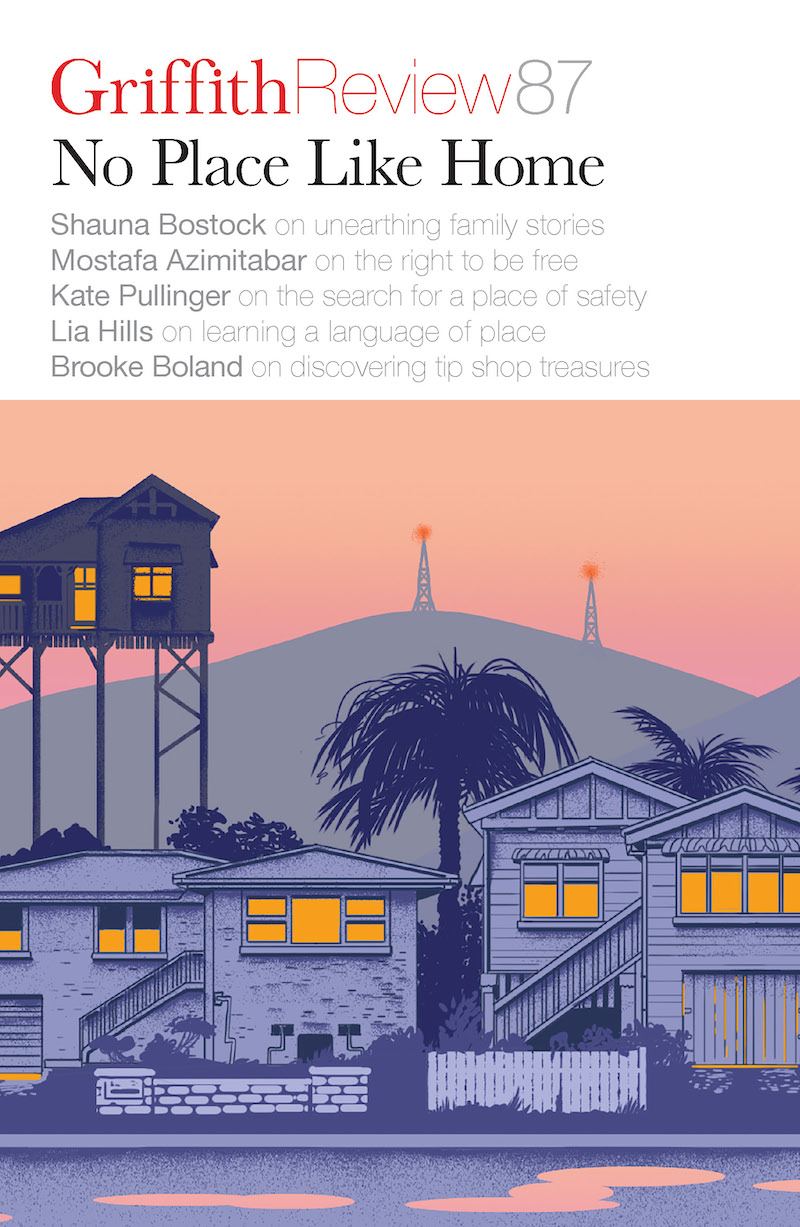
- Published 20250204
- ISBN: 978-1-923213-04-3
- Extent: 196 pp
- Paperback, ebook. PDF
Already a subscriber? Sign in here
If you are an educator or student wishing to access content for study purposes please contact us at griffithreview@griffith.edu.au
Share article
About the author

James Gering
James Gering has received various awards for his stories and poems. His writing has appeared in many journals, including Meanjin, Cordite, Rattle and San...
More from this edition

Dining in
In ConversationThe intimate, private setting naturally creates a close connection between the chef and diners, making it easier for the chef to share the stories, heritage and traditions behind each dish. For diners, the cosy, welcoming atmosphere makes them feel as though they’ve been invited into a friend’s home. From a business perspective, a home-based restaurant comes with fewer overhead costs, such as rent and wages. This allows me, as the business owner, to deliver high-quality food at a more affordable price, as these expenses are not factored into the food cost.
Sissys and bros
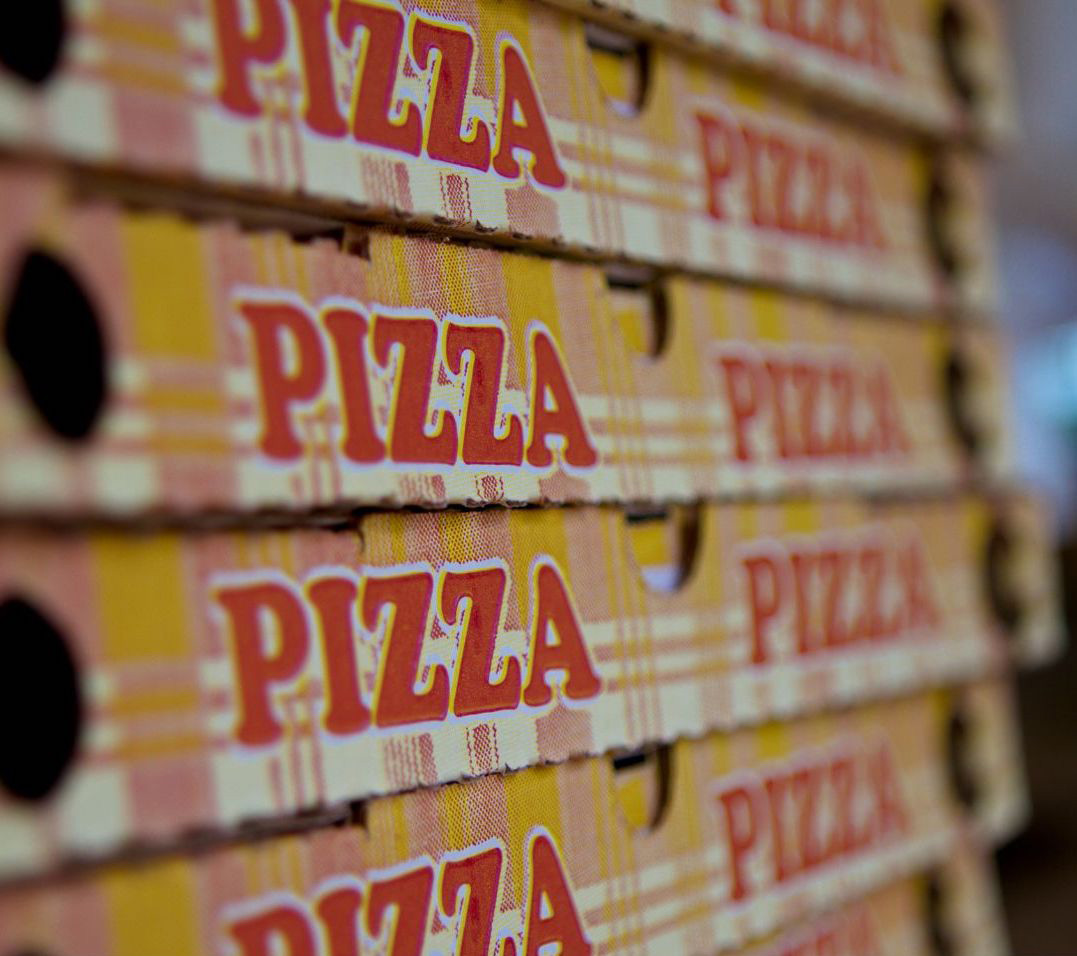
Fiction‘Sydneysiders woke up to a red dawn this morning due to an eerie once-in-a-century weather phenomenon.’ This was straight after school, before my shift. Channel 9’s Peter Overton was blaring from the TV. My five sisters and two brothers yelled about Mumma hogging the remote. Overton’s robot voice followed me into my room. I tugged off my Holy Fire High School blazer. Our emblem: Bible beneath a burning bush. Our motto: Souls Alight for the Lord and Learning. Fumbled through the dirty laundry basket for my dress-like work shirt that stunk of rancid onion. Our logo: a pepperoni pizza wearing a fedora and holding a Tommy gun. Our motto: Happy Mafias Pizza: Real Italians Leave the Gun and Take the Cannoli.

hearth
Poetry yes, one day, finally, it will all fall away like all dead things we will sit again by the campfire story illuminating the fall of empire one day again we...
