
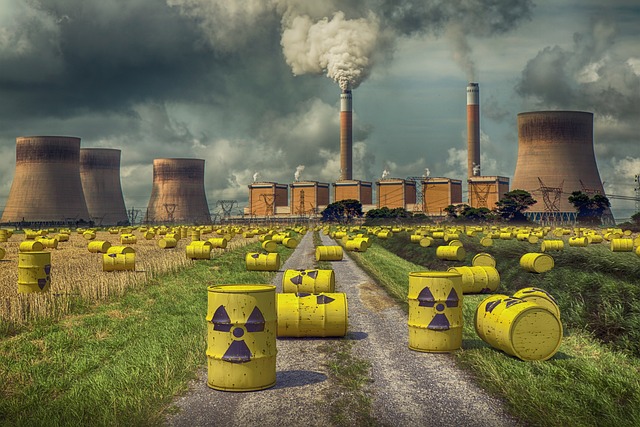
Radioactive fallout
Negotiating Japan’s fraught relationship with nuclear power
Featured in

- Published 20240806
- ISBN: 978-1-922212-98-6
- Extent: 216pp
- Paperback, ePUB, PDF
Already a subscriber? Sign in here
If you are an educator or student wishing to access content for study purposes please contact us at griffithreview@griffith.edu.au
Share article
About the author

Haruko Koga
Haruko Koga is an emerging writer currently working on her first novel. Born and raised in Japan, she worked as a writer specialising in...
More from this edition
Class acts
Non-fictionSocial media has made available to us whole new audiences and vectors for class and lifestyle performance. Where previously your political commitments or what books you were reading might have been topics of conversation with close friends at the pub, now they can be projected to hundreds or thousands of followers. Eating at a restaurant is another example; a previously private and intimately social act can now be a place to be seen, not by the people you’re dining with, or even the other patrons, but by everybody who follows you.

The Gordon cult
Non-fictionFrom a modern perspective Gordon makes an odd choice for a national poet, since he wrote only rarely about the country that embraced him. He set many of his popular verses in England and studded the others with the classical references familiar to an English gentleman. Yet before the passage of the 1931 Statute of Westminster – or, more exactly, until similar laws passed through the Australian Parliament in 1942 – Britain retained the legal right to determine foreign relations for the Australian Commonwealth. Accordingly, prior, during and for some time after the Great War, respectable Australian nationalism generally manifested as Empire patriotism.

Aca-lyte
Poetry Che Guevara is white and wearing a shirt with his face on it, mansplaining Derrida or Adorno a hat like your grandfather used to wear though...
