
Featured in
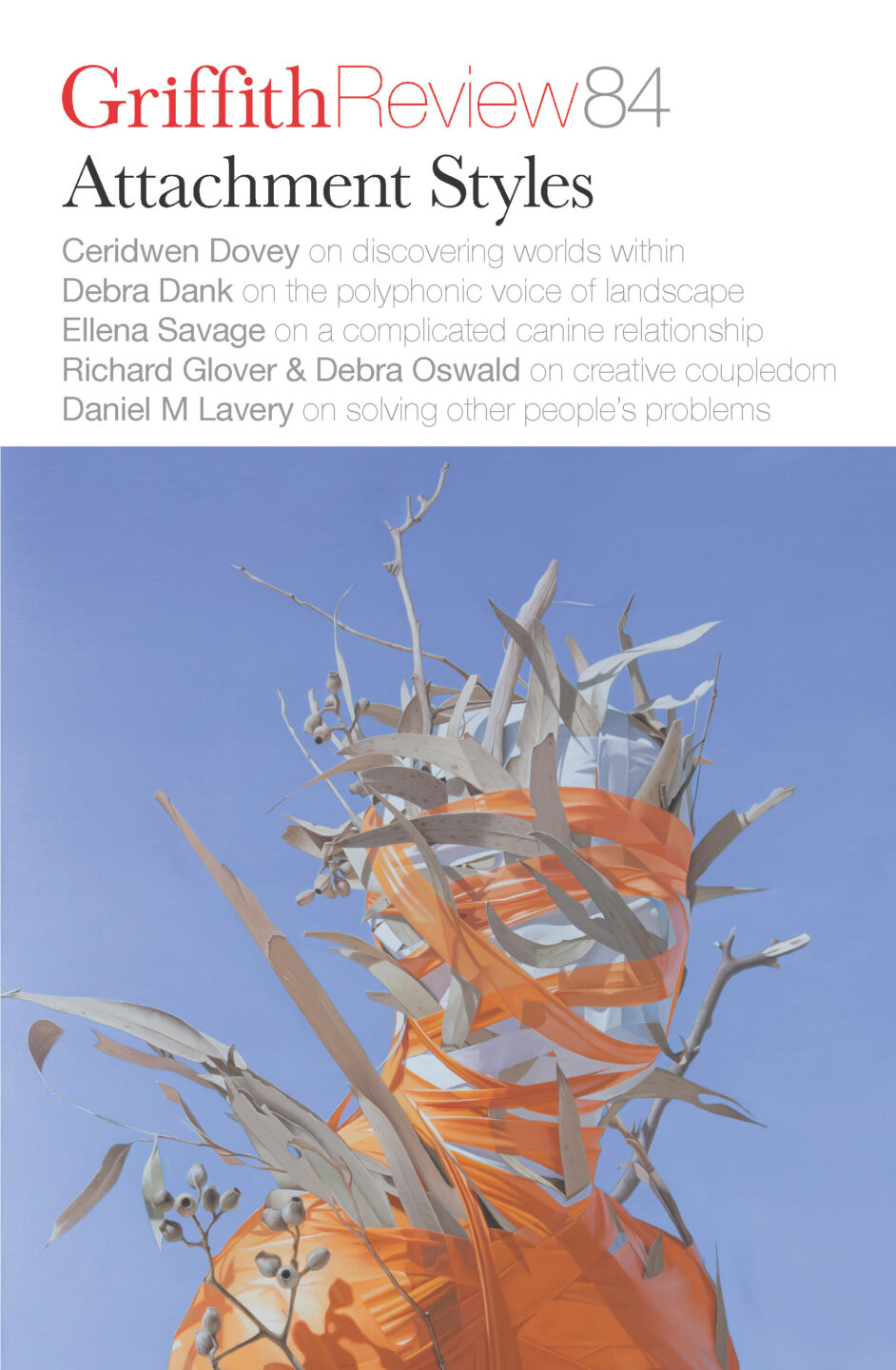
- Published 20240507
- ISBN: 978-1-922212-95-5
- Extent: 203pp
- Paperback, ePub, PDF, Kindle compatible
Already a subscriber? Sign in here
If you are an educator or student wishing to access content for study purposes please contact us at griffithreview@griffith.edu.au
Share article
About the author

Clare Monagle
Clare Monagle is a professor in the Department of History and Archaeology at Macquarie University.
More from this edition

Everything you could possibly imagine
FictionJoseph was one of the only patients I’d truly enjoyed interacting with, which for the weeks since his arrival had helped me cope with the ward’s sense of monotony. His beard was like a cartoon lumberjack’s, descending into a fine point and thick enough to hold objects if they were stuck into it – which, of course, we’d tried. His eyebrows erupted like old-growth forest across his forehead, almost demanding to be touched – which, of course, I hadn’t.

Ask me anything
In ConversationYou don’t ever want to go so off the rails that you encourage somebody to blow their life up thoughtlessly. It was always helpful to remind myself, ‘The most I can do is offer someone a useful suggestion that they will consider. They still have to make their own decisions based on how they want to live their lives.’ If you take yourself too seriously in that position, you feel like, my God, I’m responsible for the wellbeing of all of these strangers, what if I mess up?
Land of my fathers
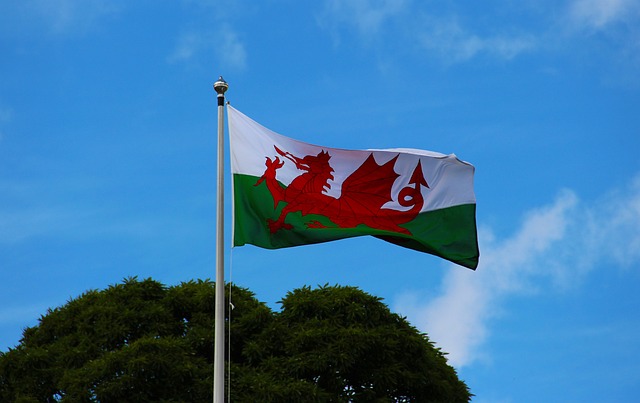
Non-fictionOn Saturday mornings his friends would call in to pick him up for the game. Like him, they were broad and tall and humorous, and never still. None of them ever seemed comfortable indoors. Their faces were fevered from sitting in winter stadiums. Even as septuagenarians they continued to refer to themselves as ‘the boys’, and if my mother materialised before them, they’d blush like children.
