
Featured in
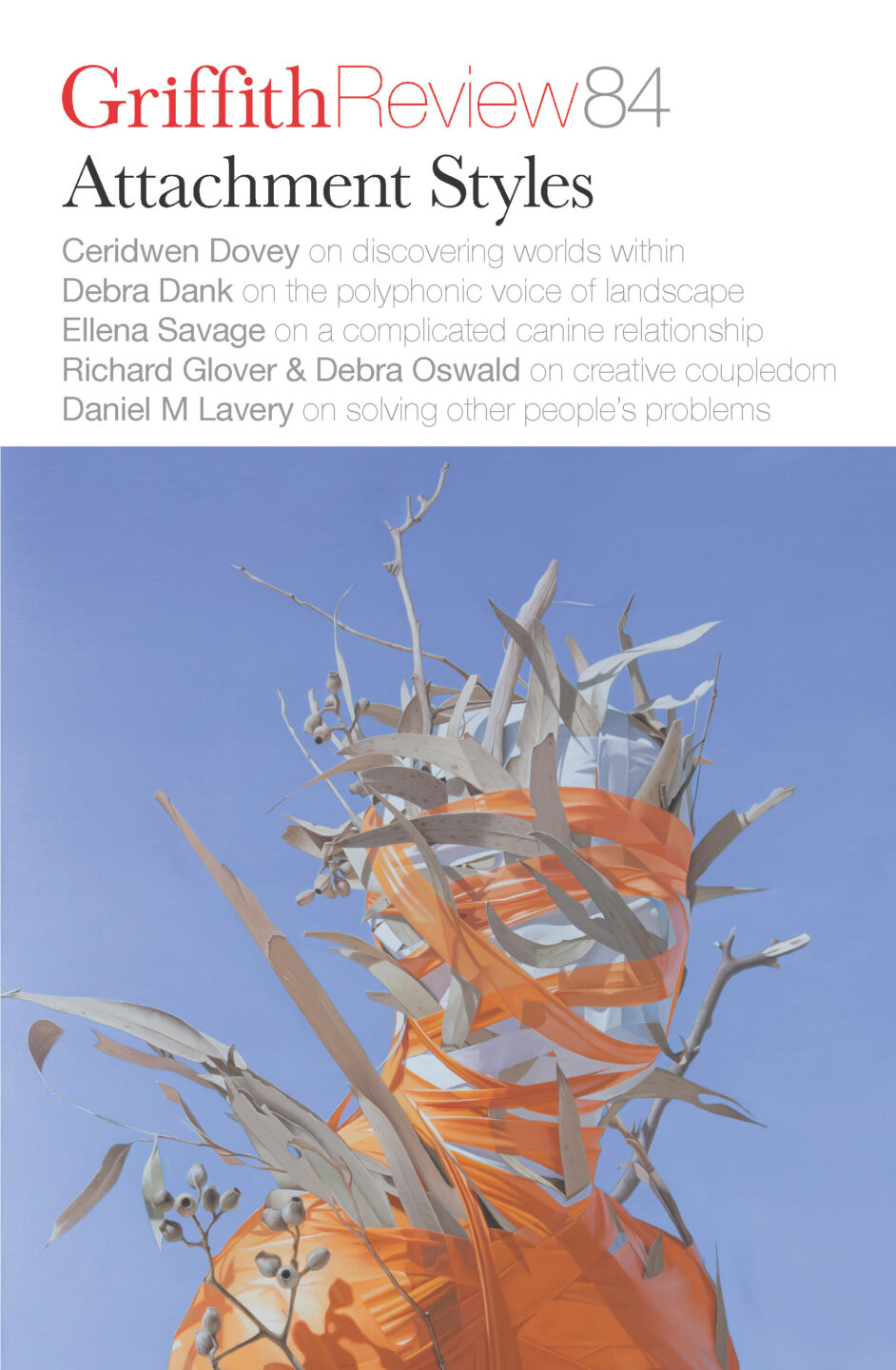
- Published 20240507
- ISBN: 978-1-922212-95-5
- Extent: 203pp
- Paperback, ePub, PDF, Kindle compatible

Already a subscriber? Sign in here
If you are an educator or student wishing to access content for study purposes please contact us at griffithreview@griffith.edu.au
Share article
More from author

Wax
FictionI touch the wax of their pickaxes, then run my hand along the wax rock of the walls. One man squats a few metres away from the others, holding a pan. As I move towards him, I notice a label with descriptive text about Victoria’s gold rush, a reminder of the foundational gruesomeness of the enterprise – the colonial history of world’s fairs, or zoos, here insisting on itself in a minor carnival of the macabre.
More from this edition

Seized by a ceaseless meanwhile
Non-fictionOwing to its prominent location and spectacular collapse, Álvaro Obregón 286 featured prominently in media coverage of the earthquake rescue. But residents told me they always suspected something was afoot. Within twenty-four hours of the disaster, rescuers from Israel and Spain arrived onsite. Both teams quickly recovered documents and computers and rescued only specific people, while others in the rubble still cried out for help.
Getting attached
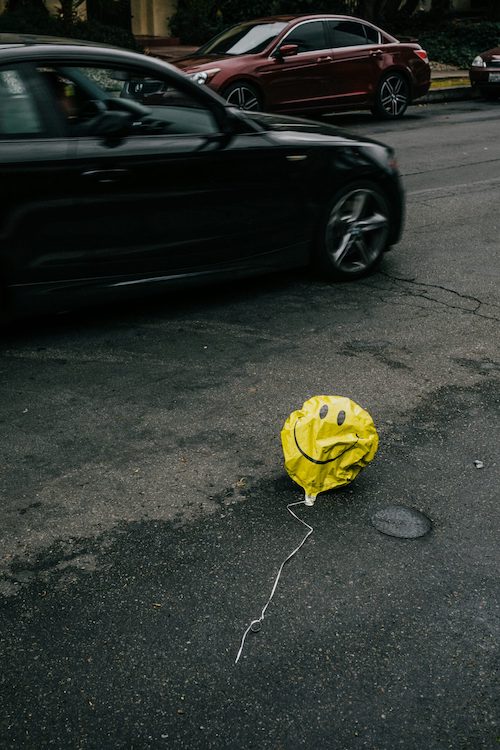
IntroductionMore than fifty years after Larkin lamented the emotional inadequacy of generations past, we’ve equipped ourselves with an extensive vocabulary with which to characterise, analyse and diagnose our relationships with ourselves, with others, and with the places, objects and ideas that shape our sense of who we are and who we wish to become. Yet still we face the same old set of conundrums: from parasocial connections and fractious family politics to the solace we seek in non-human entities, our myriad attachments continue to offer us comfort and complication in equal measure.

Bringing up Baby
Non-fictionMy husband, the softer touch with Baby, couldn’t get the leash on him so I took over. I had a handful of food to placate Baby, and he seemed to relax as I held it slightly away from his snout and went to attach the leash with my other hand. But when Baby realised what was happening, he went stiff, then bit my hands eight times like he wanted to kill me.
