
Featured in
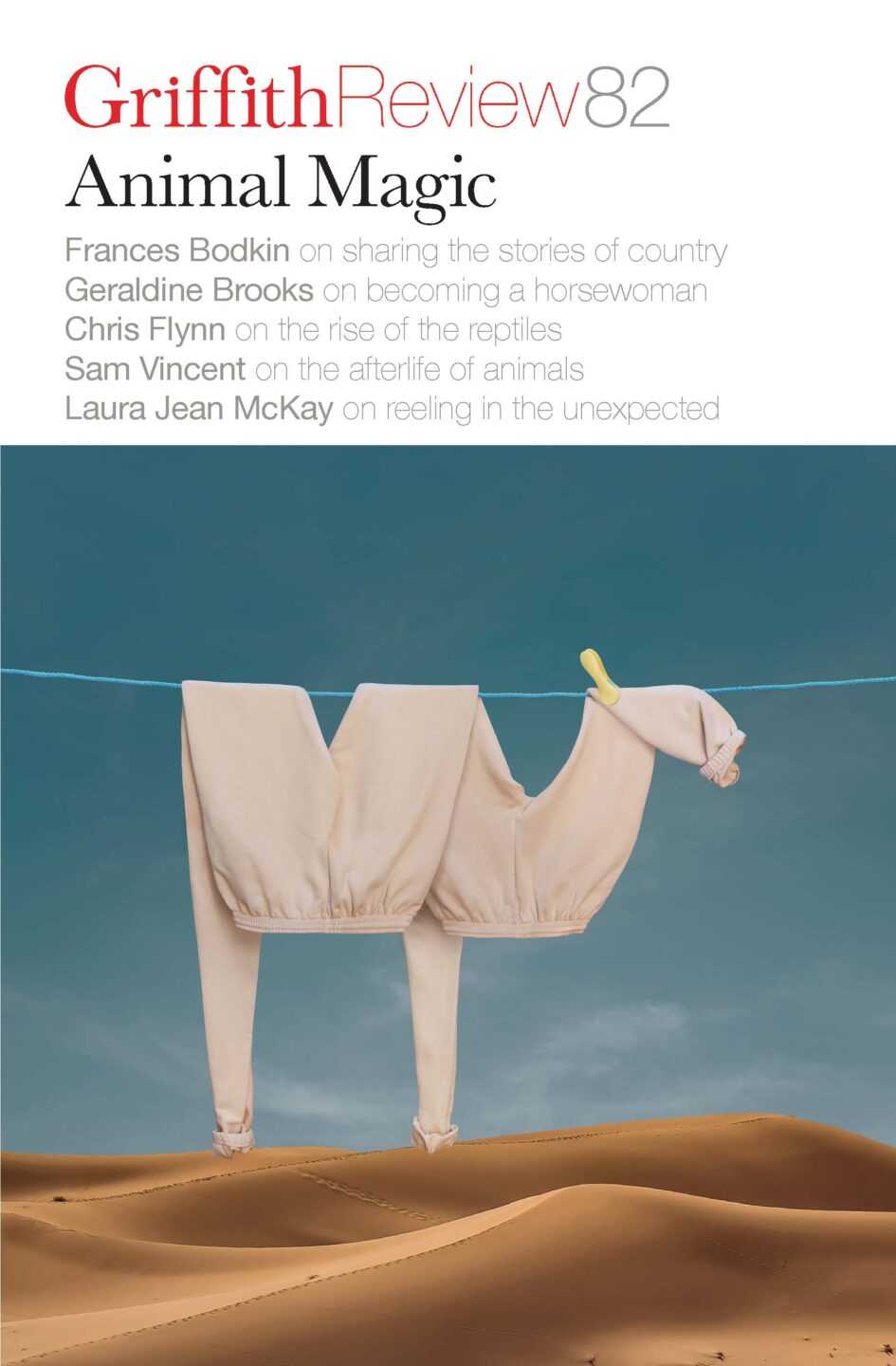
- Published 20231107
- ISBN: 978-1-922212-89-4
- Extent: 208pp
- Paperback, ePub, PDF, Kindle compatible

Already a subscriber? Sign in here
If you are an educator or student wishing to access content for study purposes please contact us at griffithreview@griffith.edu.au
Share article
More from author
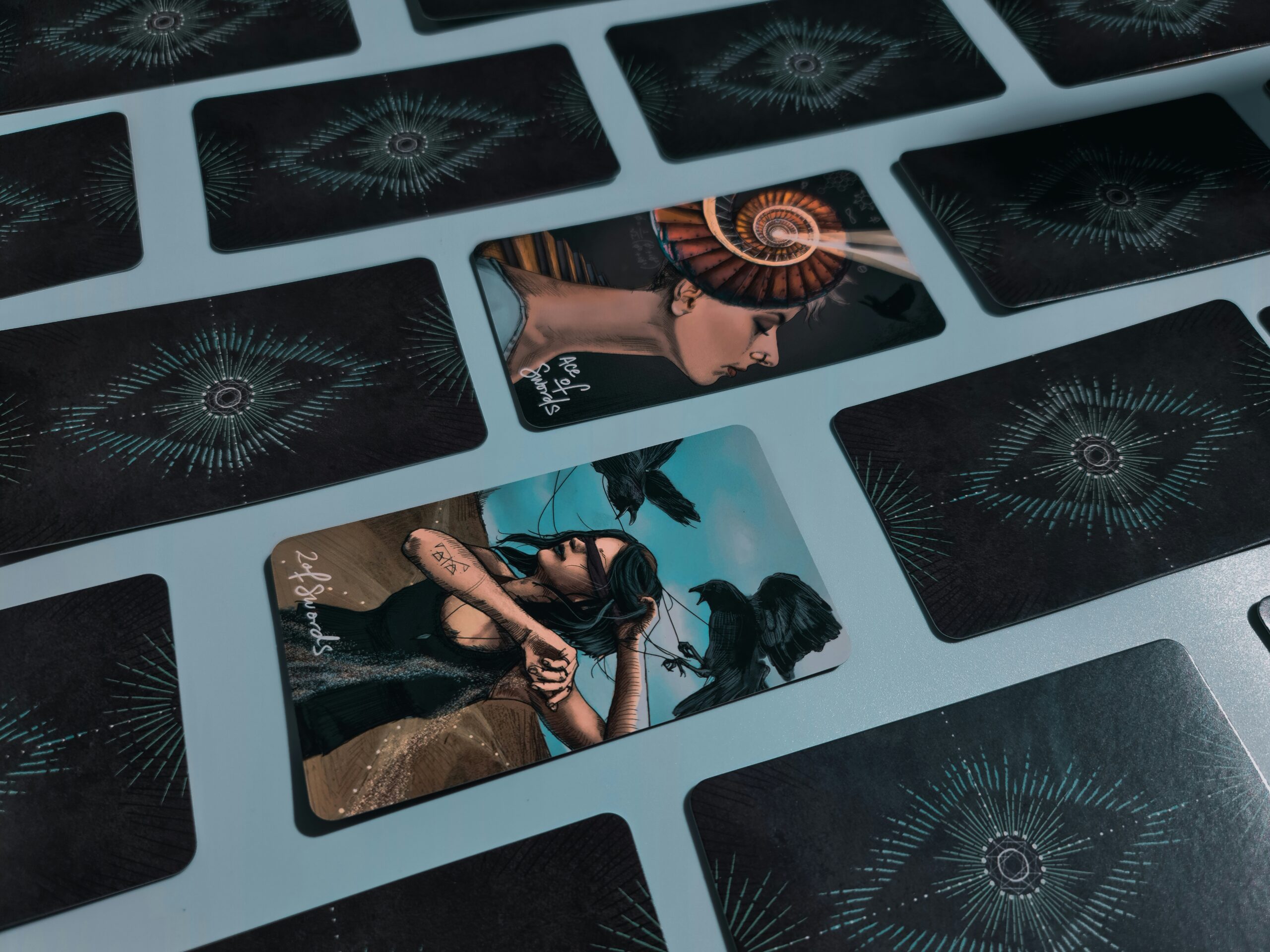
A discovery of witches
Unlike the patriarchal and monotheistic Abrahamic religions, paganism is structurally non-hierarchical – although covens (groups or meetings of witches) tend to be nominally led by a high priestess and high priest – and, in the words of influential English Wiccan Vivianne Crowley, pagans ‘worship the personification of the female and male principles, the Goddess and the God, recognising that all forms of the Goddess are aspects of the one Goddess and all Gods are aspects of the one God’. There is no holy book, messiah or central administration, and its ethos is fundamentally exultant – celebratory of the body, nature and the divine.
To clarify a common misconception: most pagans neither believe in nor worship Satan, a figure rooted in Judeo-Christian traditions rather than nature-based spiritual paths. The conflation of pagans with ‘devil-worshippers’ dates to the twelfth century and is a product of the Catholic Church’s campaign to quite literally demonise the horned, cloven-hoofed gods – Pan, Herne, Cernunnos and others – central to the pre-Christian spiritualities the Church was intent on suppressing.
The witch trials of the early modern period, where accusations of devil worship were frequently levelled against those, usually women, who practised folk magic, herbalism or traditional healing (or, in many cases, had simply drawn the ire of a relative or neighbour), reinforced the association between nature-based religion and Satanism. As the historian Ronald Hutton observes in The Witch: A History of Fear, from Ancient Times to the Present (2017),the standard scholarly definition of ‘witch’ has come to denote, in the words of anthropologist Rodney Needham, ‘someone who causes harm to others by mystical means’.
More from this edition

The animal in the walls
Non-fictionScrambling the scientific assumptions of the time, fungi and fungi-like organisms also gained new cultural and symbolic meanings. They began to sprout in the claustrophobic houses of gothic fiction and the swamps of horror; in the centre of the Earth and on the distant moons of science fiction; in utopian tracts, revolutionary and anti-revolutionary literature; and in the parasitic infections of the post-apocalyptic.

Help wanted
Poetry The opening said no training required; the slaughterer’s tasks are two: stun and slaughter. With a third parenthetical: Remove the organs and the waste as needed. Heifers all have name tags here:...
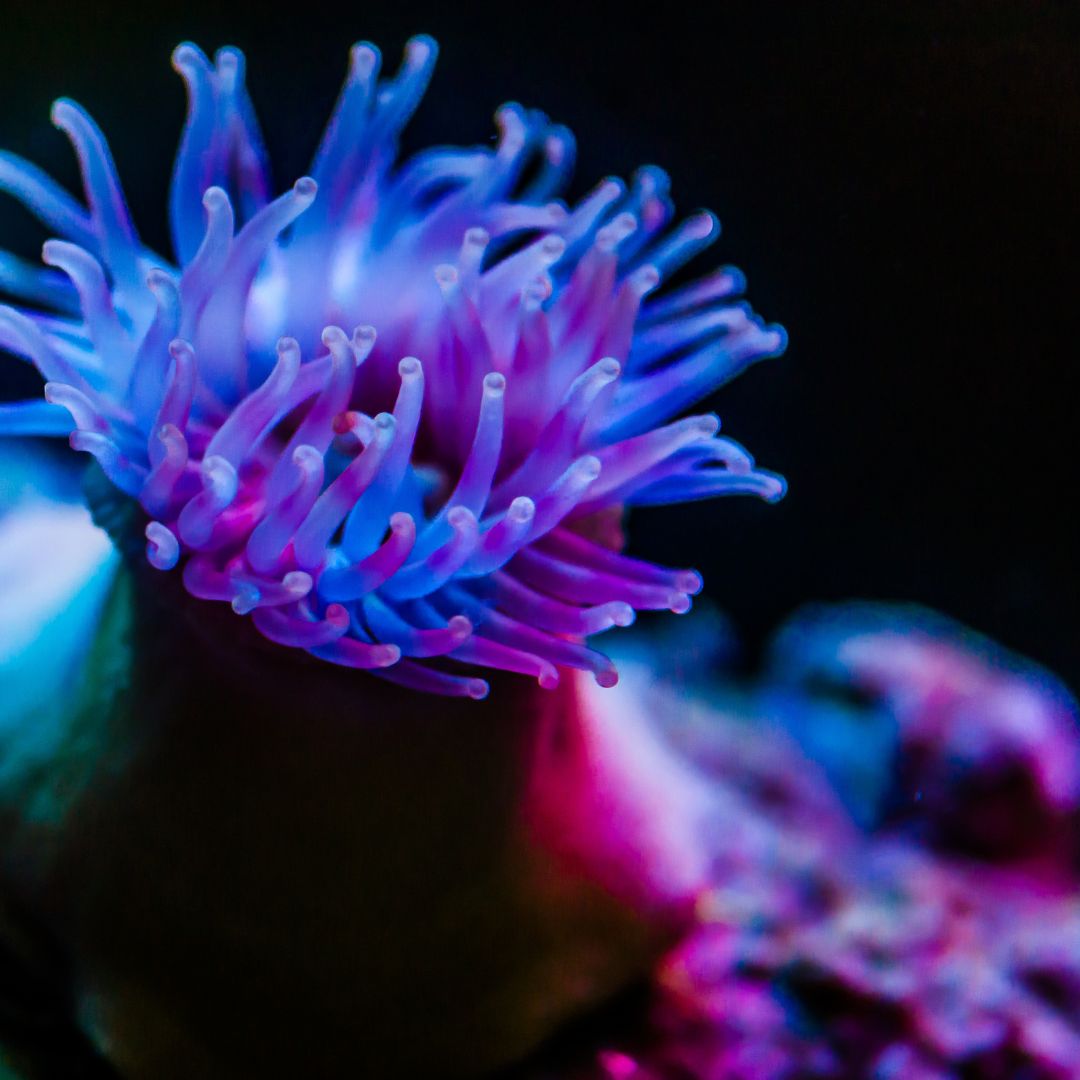
Anemone
Poetry Lady, in this heavy light you show tender: waving your insides outside, buffeted by the sea’s old heave ho. Nobody calls out medusa – but there’s a distinct...
