
Featured in
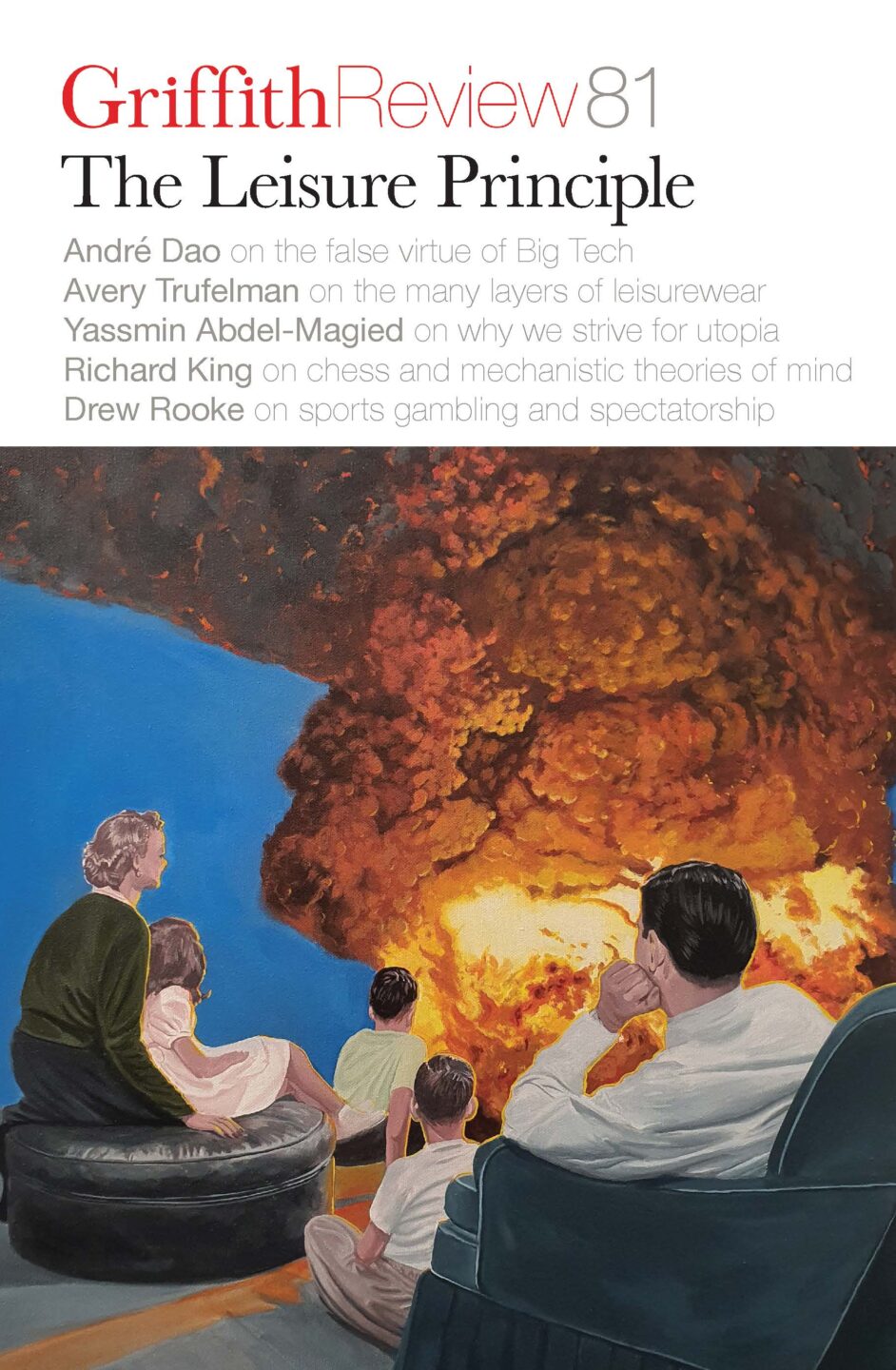
- Published 20230801
- ISBN: 978-1-922212-86-3
- Extent: 200pp
- Paperback (234 x 153mm), eBook


Already a subscriber? Sign in here
If you are an educator or student wishing to access content for study purposes please contact us at griffithreview@griffith.edu.au
Share article
More from author
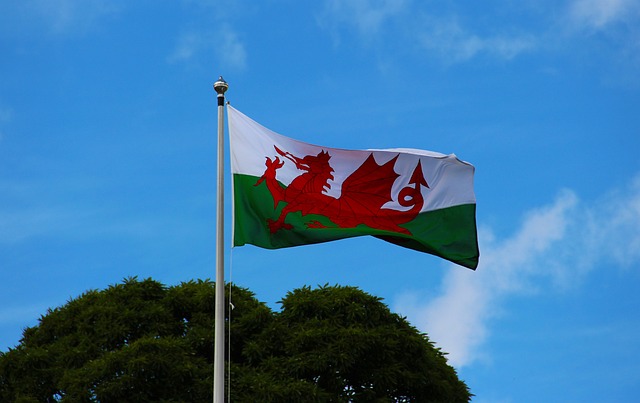
Land of my fathers
Non-fictionOn Saturday mornings his friends would call in to pick him up for the game. Like him, they were broad and tall and humorous, and never still. None of them ever seemed comfortable indoors. Their faces were fevered from sitting in winter stadiums. Even as septuagenarians they continued to refer to themselves as ‘the boys’, and if my mother materialised before them, they’d blush like children.
More from this edition
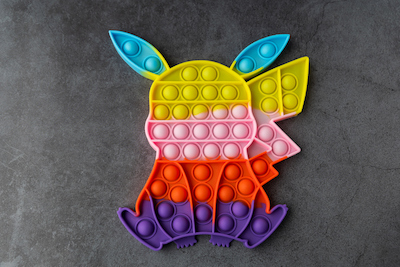
‘A world we must defend’
Non-fictionSchools across Australia banned Pokémon in an attempt to regain control, but this only caused the franchise mania to intensify. Now Pokémon wasn’t just fun – it was also illegal, which meant it was dangerous, which meant trading cards on campus made you a risk-taker, which meant you were seen as fearless, which meant that you were dangerous.
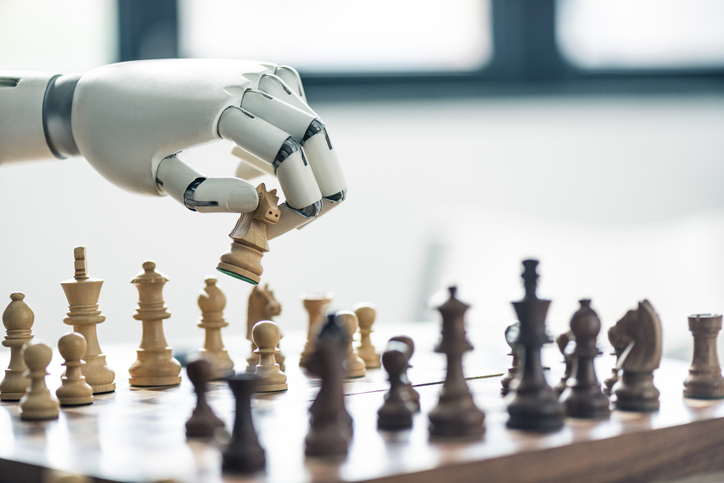
The defence
Non-fictionThe history of computer science is bound up with the game of chess, whose innate complexity and clearly defined rules make it the ideal proving ground for artificial intelligence. And yet the game not only survived the defeat of Garry Kasparov in 1997 by IBM’s supercomputer Deep Blue, but also seemed to flourish in its wake. According to International Chess Federation figures, more people are playing the game than ever before, and not merely over the internet. Now, as a new generation of AIs aces the Turing test – according to which a machine may be deemed intelligent if the human interacting with it can’t tell if it is a machine or not – it might be worth taking a closer look at chess as a social and creative phenomenon that speaks to the limits of ‘smart’ machines.
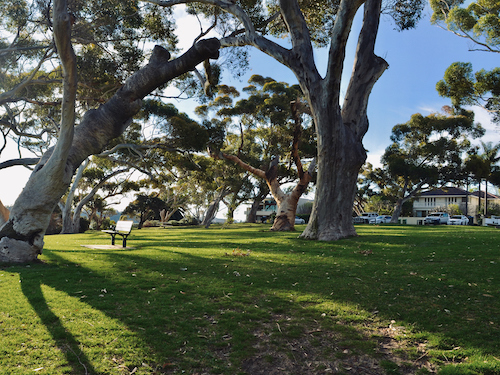
Sonnet for the weekend
Poetry Glory to God for long weekends,for lattes served by obsequious baristas,sunnied eggs and bacon with the crispy ends,for an empty park in front of...
