
Featured in

- Published 20230801
- ISBN: 978-1-922212-86-3
- Extent: 200pp
- Paperback (234 x 153mm), eBook

Already a subscriber? Sign in here
If you are an educator or student wishing to access content for study purposes please contact us at griffithreview@griffith.edu.au
Share article
More from author

Shelf life
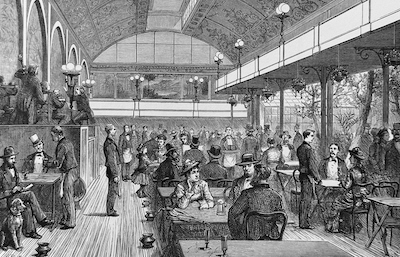
Shelves provide functional storage. But as we learnt from the setting of all those Covid lockdown interviews – the expert in front of their books, photographs and tchotchkes – shelves express personality, achievement and erudition. As those same interviews demonstrated, sometimes our best curatorial efforts might miss something too revealing about what we really read and truly value. For the Victorians, who were obsessed with privacy and established many of the norms around middle-class dwelling that continue to influence aspects of contemporary domesticity, shelves posed a particular problem precisely because you could never be sure who was looking at them and what kind of conclusions they might reasonably draw.
The great British architect of middle-class respectability, Robert Kerr, designed homes where privacy was the paramount and exalted objective, achieved through a complex network of ever more enclosable spaces designed to protect property and personal information from the apparently insatiable curiosity of servants.
More from this edition
A night at the theatre
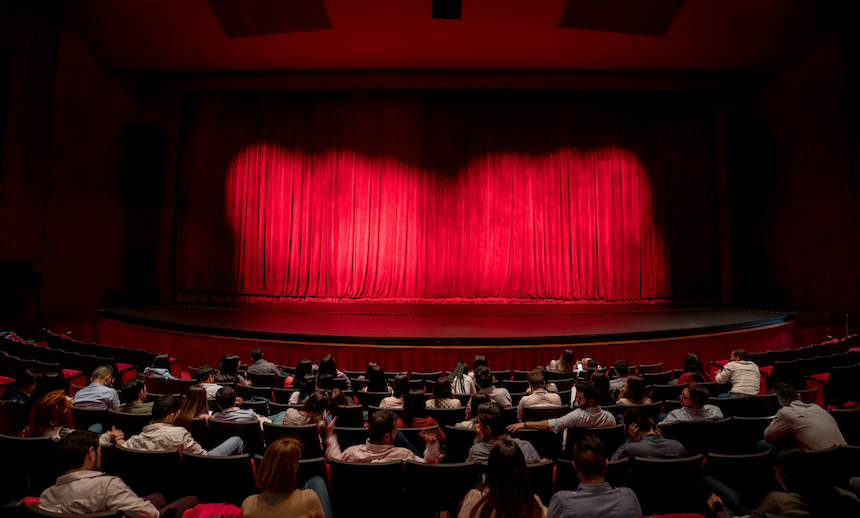
FictionAt the end of the play, I remain in my seat, as to stand would risk such a huge amount of pain and blood loss I am not sure I would survive. Having been allocated this ‘best available seat’ I don’t know how to leave. The actors smile in a strained way as they take their curtain call and each of them casts an eye at me. I make them uncomfortable, perched as I am on these horns. Stuck as I am while the rest of the audience applauds and exits.
The defence
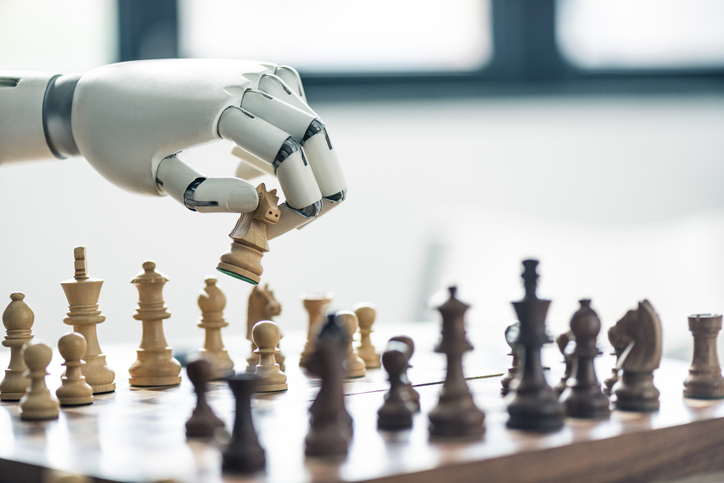
Non-fictionThe history of computer science is bound up with the game of chess, whose innate complexity and clearly defined rules make it the ideal proving ground for artificial intelligence. And yet the game not only survived the defeat of Garry Kasparov in 1997 by IBM’s supercomputer Deep Blue, but also seemed to flourish in its wake. According to International Chess Federation figures, more people are playing the game than ever before, and not merely over the internet. Now, as a new generation of AIs aces the Turing test – according to which a machine may be deemed intelligent if the human interacting with it can’t tell if it is a machine or not – it might be worth taking a closer look at chess as a social and creative phenomenon that speaks to the limits of ‘smart’ machines.

Salted
FictionWe are absorbed in our work until we are not. Mostly we take breaks together, sitting outside in the sunshine waiting for our thoughts to settle, waiting for our lives to begin. Gus and I have both applied for the same scholarship. We’ll find out at the end of the month. Eve is organising a group show and wanted my latest painting as the centrepiece, but I won’t finish it in time, so I drop out. ‘I’ve got something ready,’ says Gus. Easy enough to find someone to fill my place.
