
Featured in
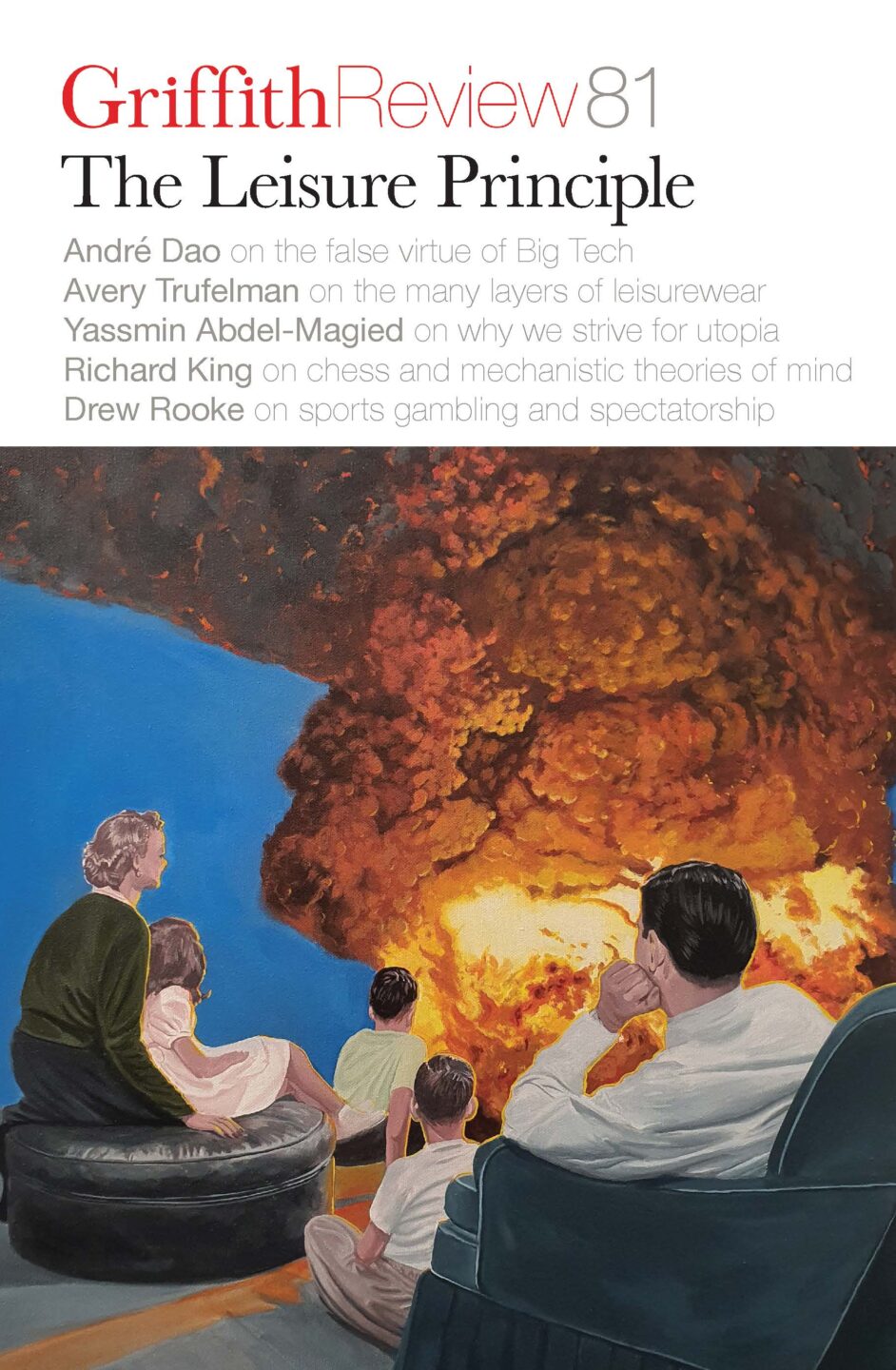
- Published 20230801
- ISBN: 978-1-922212-86-3
- Extent: 200pp
- Paperback (234 x 153mm), eBook

Already a subscriber? Sign in here
If you are an educator or student wishing to access content for study purposes please contact us at griffithreview@griffith.edu.au
Share article
More from author

Princeland
EssayTHIS IS A story about a new, breakaway state that was proposed in 1861, taking 18 million acres from Victoria and nine million from...
More from this edition

Etc.
FictionTogether we were drawn mechanically across the road, boredom/fate reeling us in. The lawn sprawled over the grey-brick kerb. The house was painted green. Sellotaped to the windows were rows of pressed aster. The feeling of something too large to explain was heavy in the air. The door squeaked, swinging open, the main door ajar behind it, and through the gap we glimpsed a white hallway, a pile of discarded shoes on one side.
Revolutionary wave
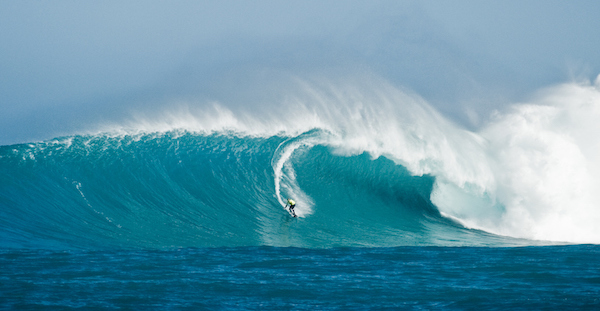
Non-fictionThis was the late ’60s, early ’70s and surfing in Wales was regarded by the parent generation as delinquency. It was for losers, layabouts, rogue males. In those early days Welsh surfers numbered around one hundred, congregated on half a dozen beaches down fifteen miles of coastline west of Swansea, known as the Gower. I knew each one of those surfers by the styles they deployed on the waves. So idiosyncratic was early Welsh surfing that out on the road if you saw a car with boards on the roof coming at you, both drivers would pull over for a chat.
Stories from the city
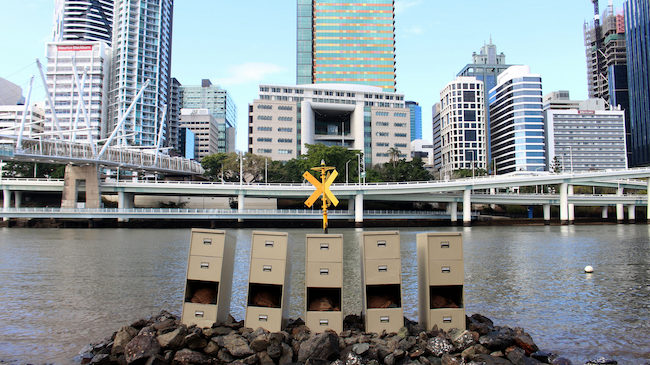
In ConversationPublic art in particular is a great way for Aboriginal and Torres Strait Islander people to tell different histories and narratives that are site specific. There are lots of hidden histories that we know as community but that lots of other people don’t, and so we use these public spaces as opportunities to install different types of artwork to allow people to engage with these histories and stories during their everyday commute...
