
Featured in
- Published 20230502
- ISBN: 978-1-922212-83-2
- Extent: 264pp
- Paperback (234 x 153mm), eBook

Already a subscriber? Sign in here
If you are an educator or student wishing to access content for study purposes please contact us at griffithreview@griffith.edu.au
Share article
About the author

Elise Bohan
Elise Bohan is a senior research scholar at the University of Oxford’s Future of Humanity Institute. She holds a PhD in macrohistory and wrote...
More from this edition
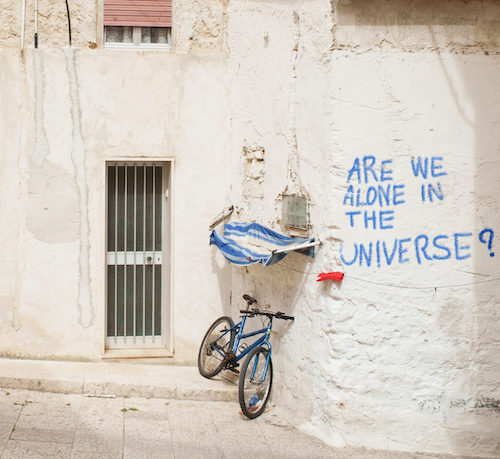
On the forging of identity
Non-fictionThe night Sartre spoke in Paris can be seen as a hinge in time, the moment when modernity and its focus on individual identity came to the fore after the destruction of the old order. We are still living on the far side of the door Sartre pointed us through. Of course, modernity had a thousand authors. It was the product of billions of lives lived in close proximity. But Sartre, to me, best articulated a modern creed of what it means to be human.

On undoing
Non-fictionI am forty before I visit Europe, still ignorant that a century before me my great-grandfather had walked those same cobblestones. That he had fought in a war that did not reward him with any meaningful welcome on his return home. Now that I know, I yearn to go back and breathe that air, knowing that William was there.
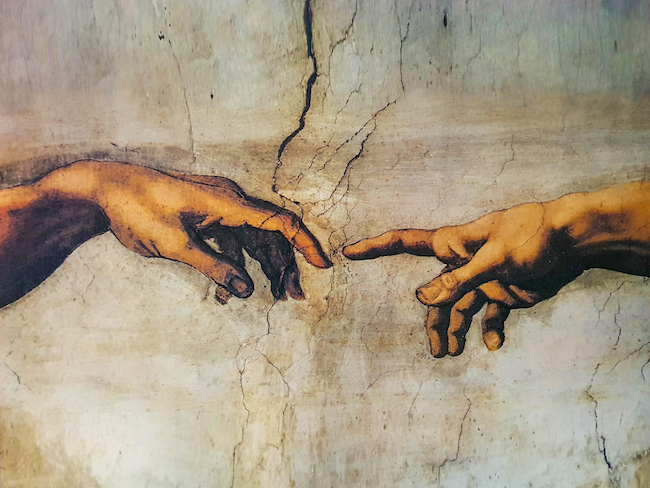
Let there be light
IntroductionWhether they’re personal, cultural or religious, these are the stories that offer us ways of orienting ourselves amid the sheer chaos and confusion of being alive – particularly today, as humanity’s existential and environmental crises continue to mount.
