
Featured in
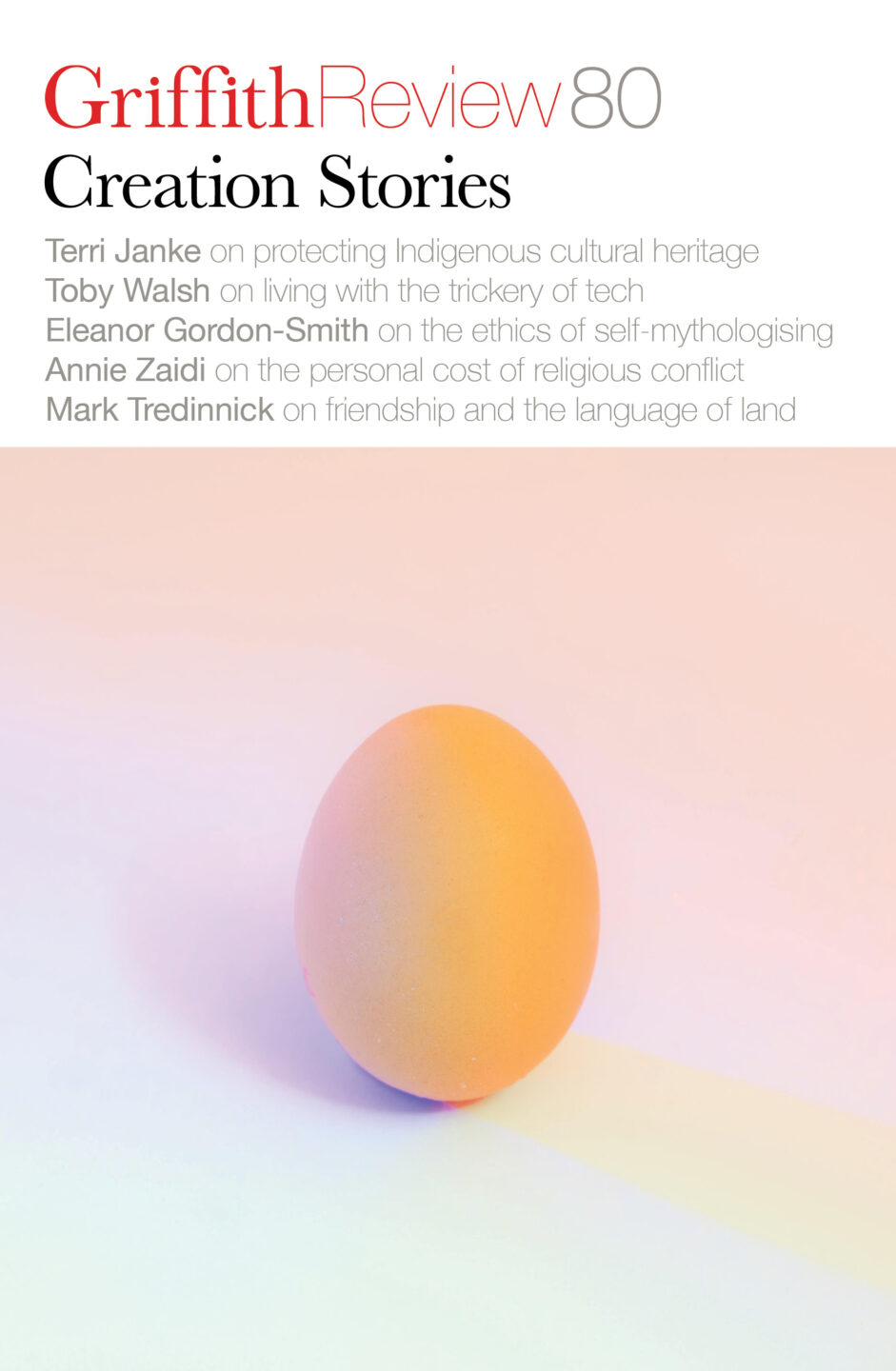
- Published 20230502
- ISBN: 978-1-922212-83-2
- Extent: 264pp
- Paperback (234 x 153mm), eBook

Already a subscriber? Sign in here
If you are an educator or student wishing to access content for study purposes please contact us at griffithreview@griffith.edu.au
Share article
More from author

Walking Upside-down Country
Poetry life, habitat & ruin / run recombinant // & helical in hurt forms / that keep life going & do / not heal – ‘Clear...
More from this edition
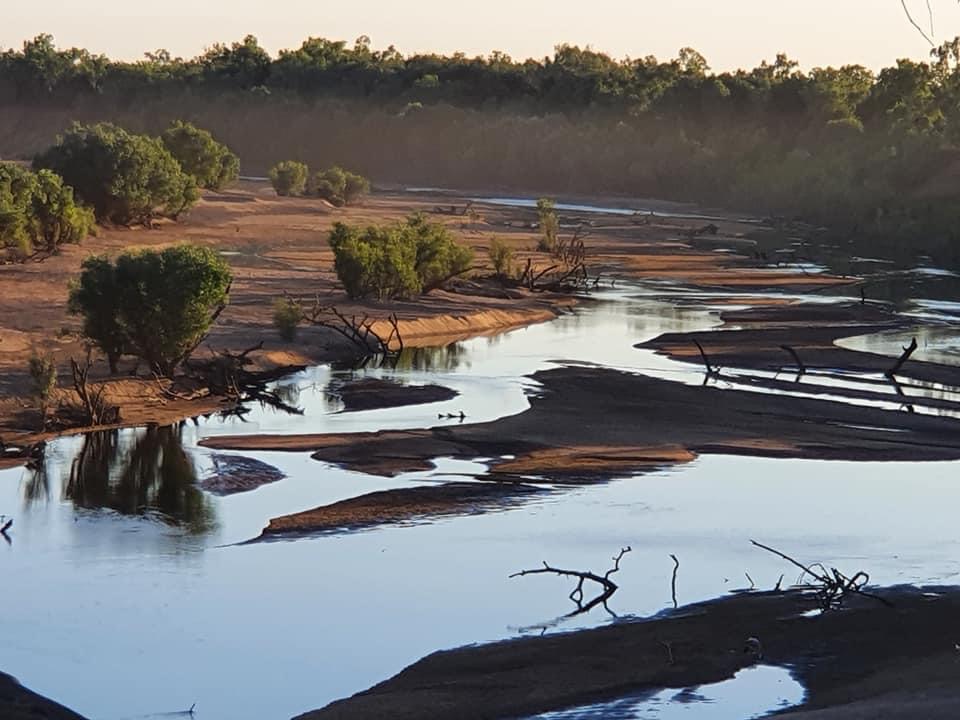
A Martuwarra Serpent stirs in its sleep…
Non-fictionAboriginal people are usually confident in the enduring nature of knowledge (not just belief) because that other mob down the road has the same story, or a similar one. It is a multispecies and layered story, and that is precisely what makes it creative, unlike so much of continuing Western materialist ideas and practices.
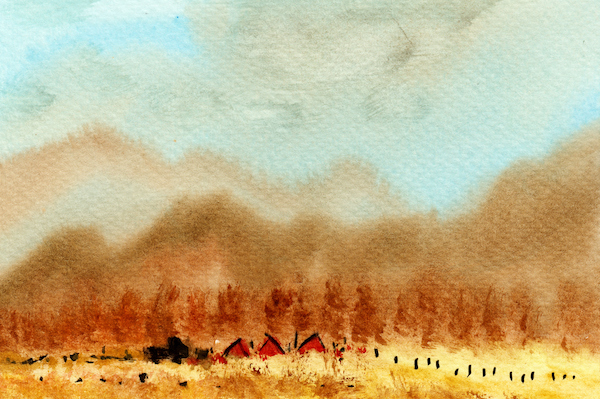
Back to the red earth
FictionBefore she opens her eyes, she knows with the very same certainty that she is of this land that Juanjo, her lover and the father of her five guris, isn’t going to be asleep by her side. But she could for once be wrong. So, she stretches out her arm and feels around. Instead, her fingertips touch his perfectly tucked-in bedsheet. His side of the bed is vacant like the rows of this year’s failed crop.
A Little Box
PoetryAnd didn’t I grant you six identical faces, each perfectly plain as the other and a sturdy mouth to clasp shut?
