
Featured in
- Published 20230502
- ISBN: 978-1-922212-83-2
- Extent: 264pp
- Paperback (234 x 153mm), eBook

Already a subscriber? Sign in here
If you are an educator or student wishing to access content for study purposes please contact us at griffithreview@griffith.edu.au
Share article
More from author

The tyranny of the gay-stream
Gay identity is not a single, fixed thing. But the flamboyant brand of this identity, which is on display at Pride or Mardi Gras, seems to have become the most important and recognisable version of queerness in the public imagination. When we focus on this entitled, Western version of gay identity, entire communities get overlooked.
More from this edition
Autumn
PoetryTsunami-hit, shoved over at a tilt, they’ve left the bashed old kovil’s god-thronged tower standing, tallish, beyond the new one built to face, this time, becalm, the ocean’s power…
Pop mythology
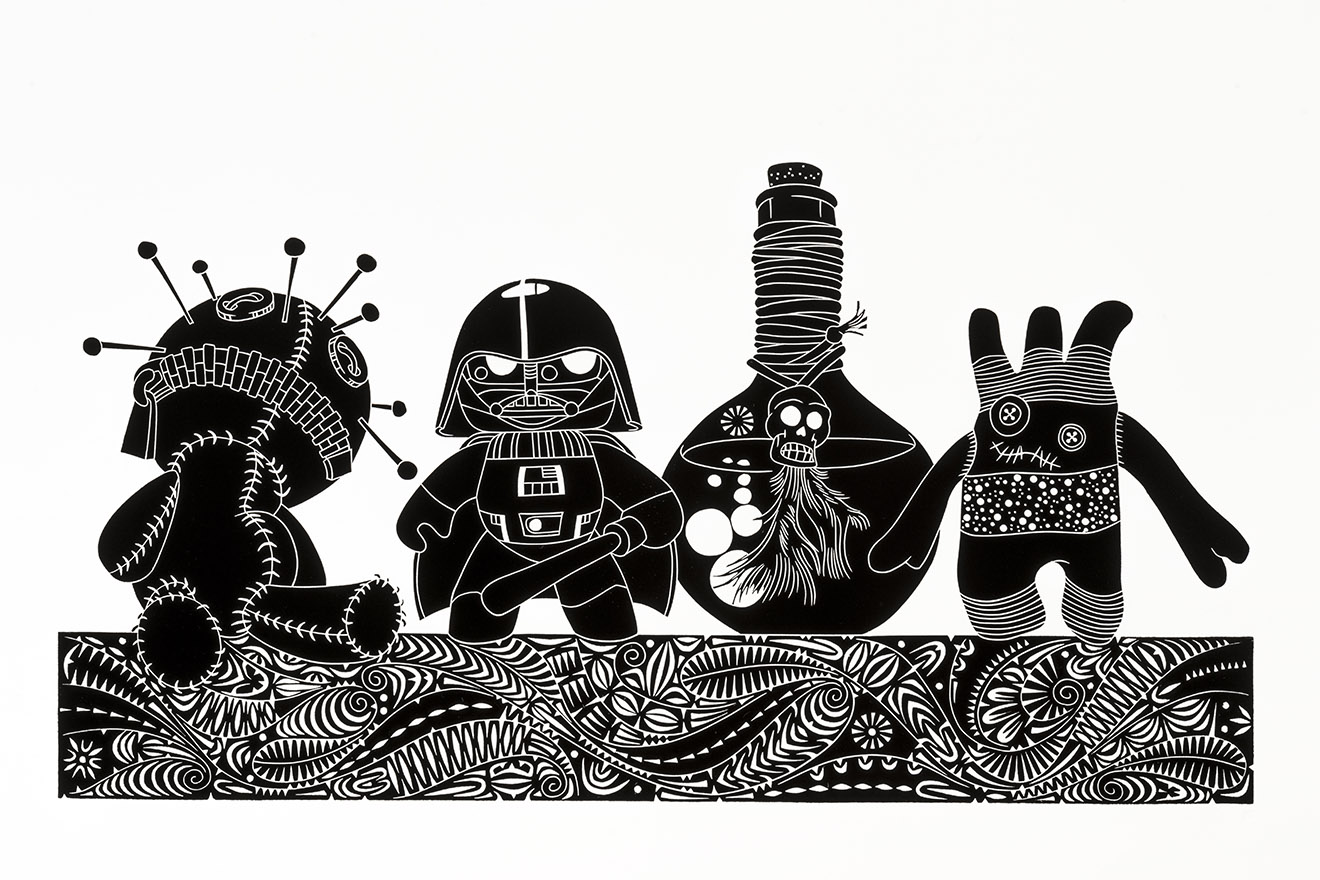
In ConversationEven though I grew up on a small, remote island, I was still heavily influenced by television – particularly the sort of cartoons that would play on Saturday mornings, mornings before school, after school and so on. When it comes to DC and Marvel and all of those superheroes, for me that was ignited by my late grandfather Ali Drummond, my mother’s father, who had boxes of Phantom comics. Phantom was my early introduction to the strong, powerful male being who had supernatural strength and abilities.
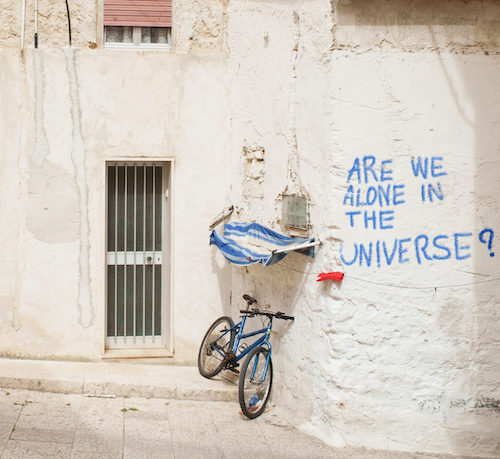
On the forging of identity
Non-fictionThe night Sartre spoke in Paris can be seen as a hinge in time, the moment when modernity and its focus on individual identity came to the fore after the destruction of the old order. We are still living on the far side of the door Sartre pointed us through. Of course, modernity had a thousand authors. It was the product of billions of lives lived in close proximity. But Sartre, to me, best articulated a modern creed of what it means to be human.
