
Featured in

- Published 20230502
- ISBN: 978-1-922212-83-2
- Extent: 264pp
- Paperback (234 x 153mm), eBook
Already a subscriber? Sign in here
If you are an educator or student wishing to access content for study purposes please contact us at griffithreview@griffith.edu.au
Share article
More from author

Embodying Venus
MemoirI HAVE A clear memory of the buttons – large, translucent-white plastic – and the teacher’s fingers unbuttoning the first one. She was shouting:...
More from this edition
Autumn
PoetryTsunami-hit, shoved over at a tilt, they’ve left the bashed old kovil’s god-thronged tower standing, tallish, beyond the new one built to face, this time, becalm, the ocean’s power…
Adhi danalpothayapa
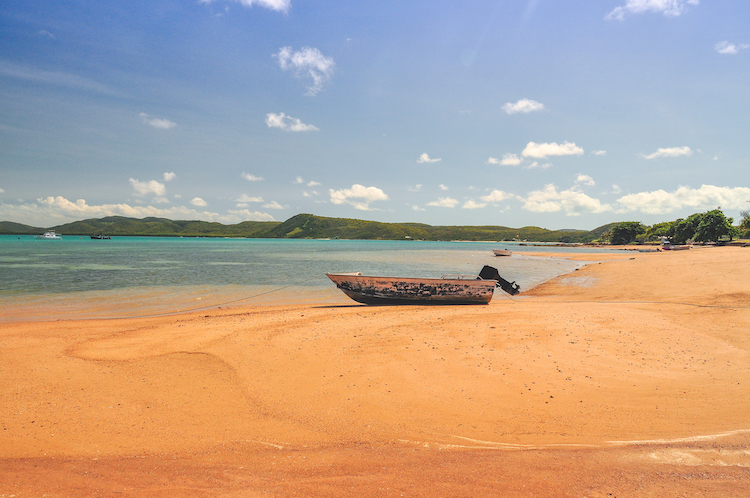
Non-fictionFor all the clans on Saibai, both migrations were distressing, uprooting families from their homelands where they had lived for thousands of years. Nevertheless, knowledge produced from these migrations has been embedded in stories chronicling the changing climate, and shared throughout the generations. A strong sense of pride is conveyed when recounting these narratives of adaption and resilience. Story is the key because the wisdom is in the story.

See through a glass darkly
Non-fictionOn the way home that night we pass Oxford Street. It’s lit up and people are dancing in the windows of the clubs. There’s a rainbow flag on one of the buildings. Dad turns to look at this with a grimace: he shakes his head and sucks his teeth. He turns the volume up on the CD player and focuses on the road ahead.
