Trash and treasure

Featured in

  • Published 20250204
  • ISBN: 978-1-923213-04-3
  • Extent: 196 pp
  • Paperback, ebook. PDF

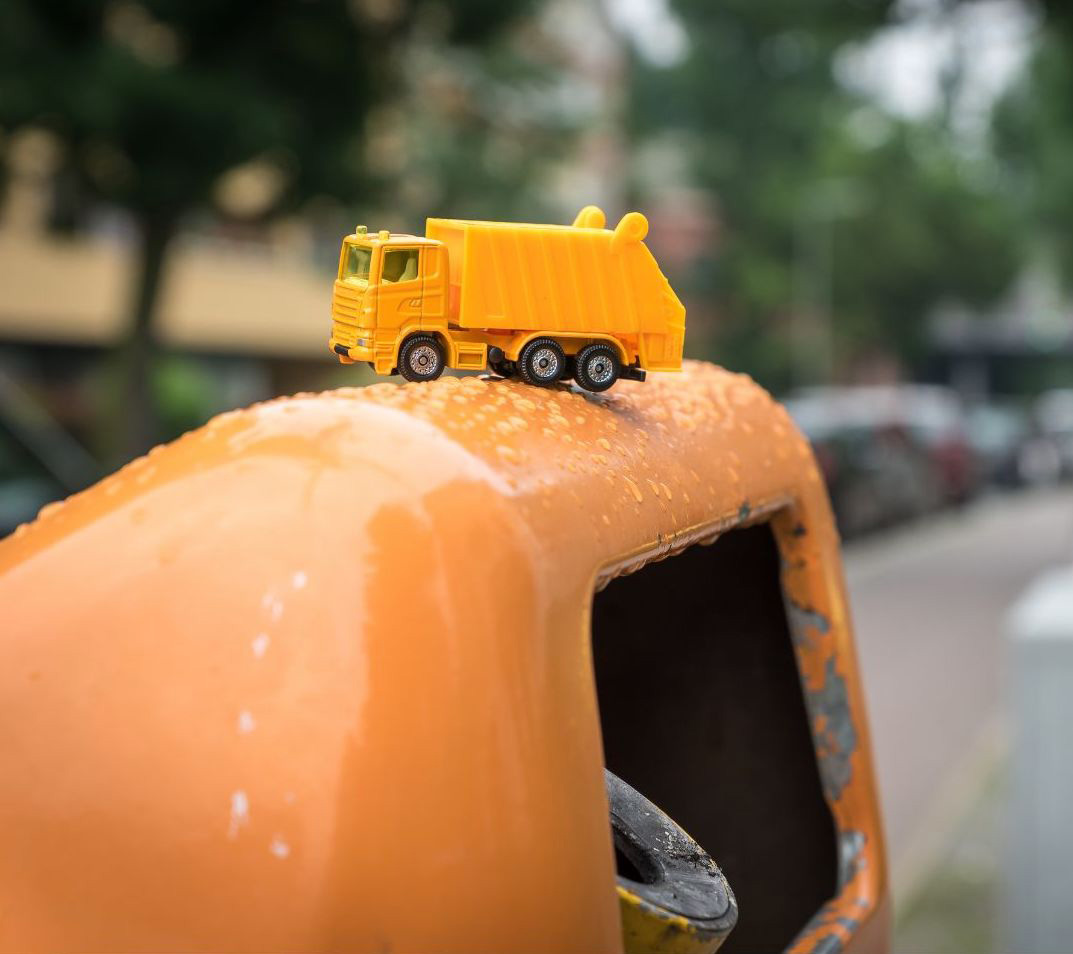
NOW THAT HE had moved into Leichhardt’s fading Italian Forum, Ben’s commute to work was a five-minute bike ride. Cycling at 4.45 am made him notice menial things in the neighbourhood that he couldn’t help catalogue. Like the piles of hard rubbish that were slowly dwindling thanks to recyclers – someone had scored the floor lamp and the gamer’s chair overnight – and the real-estate sign outside the terrace at the end of Norton Street that had a red and white ‘SOLD’ sticker plastered across it after only being up for a day. The whole morning felt red and white. Empty roads and parked cars, clear sunbreak sky but for one long cloud; that beginning of winter static on his tattooed arms.

Rob already had the truck running and was testing the mechanisms as Ben chained his bike up in the usual spot under the jacaranda. When he opened the door to swing himself up into the cabin along with his backpack, he was startled to see someone other than Sione sitting primly in the middle seat.

Already a subscriber? Sign in here

If you are an educator or student wishing to access content for study purposes please contact us at griffithreview@griffith.edu.au

Share article

About the author

George Haddad

George Haddad is a writer, artist and academic. His two books, Populate and Perish and Losing Face, have both won awards, including The Sydney Morning Herald Best Young...

More from this edition

No secret passageway

Non-fictionIn 2001 I read an article in The Guardian newspaper about a man who fell from the sky, landing in a superstore car park not far from where I live in London. The article, by journalists Esther Addley and Rory McCarthy, detailed how the Metropolitan Police discovered the dead man’s identity through a combination of luck, Interpol and British-Pakistani community workers. Muhammad Ayaz had managed to slip through security at Bahrain airport, run across the tarmac and, according to witnesses on the plane, disappear beneath the wing of the British Airways Boeing 777. The article quotes a spokesman from the International Air Transport Association: a myth circulates that there is a ‘secret hatch from the wheel bay into the cargo bay, and then into the passenger cabin, as if it were a castle with a dungeon and a series of secret passageways’. No such passageway exists and Muhammad would have found himself trapped in the wheel bay with no oxygen, no heating and no air pressure as well as no way out. If he wasn’t crushed or burned by the retracting wheels, he may have frozen to death once the flight reached 30,000 feet, finally falling out hours later when the plane lowered its landing gear as it prepared to touch down at Heathrow.

Shelf life

Non-fictionEarly in his career, Charles Dickens notably underestimated the reputational risk of library-shelf browsing when he invited the critic George Henry Lewes home for tea. Over steaming cups, Lewes eyed naff triple-decker novels and bland travel books, ‘all obviously the presentation copies from authors and publishers’. He recalled the experience in a waspish elegy published shortly after Dickens’ death: ‘A man’s library expresses much of his hidden life, I did not expect to find a bookworm, nor even a student, in the marvellous “Boz” but nevertheless this collection of books was a shock.’

Stay up to date with the latest, news, articles and special offers from Griffith Review.