
Featured in
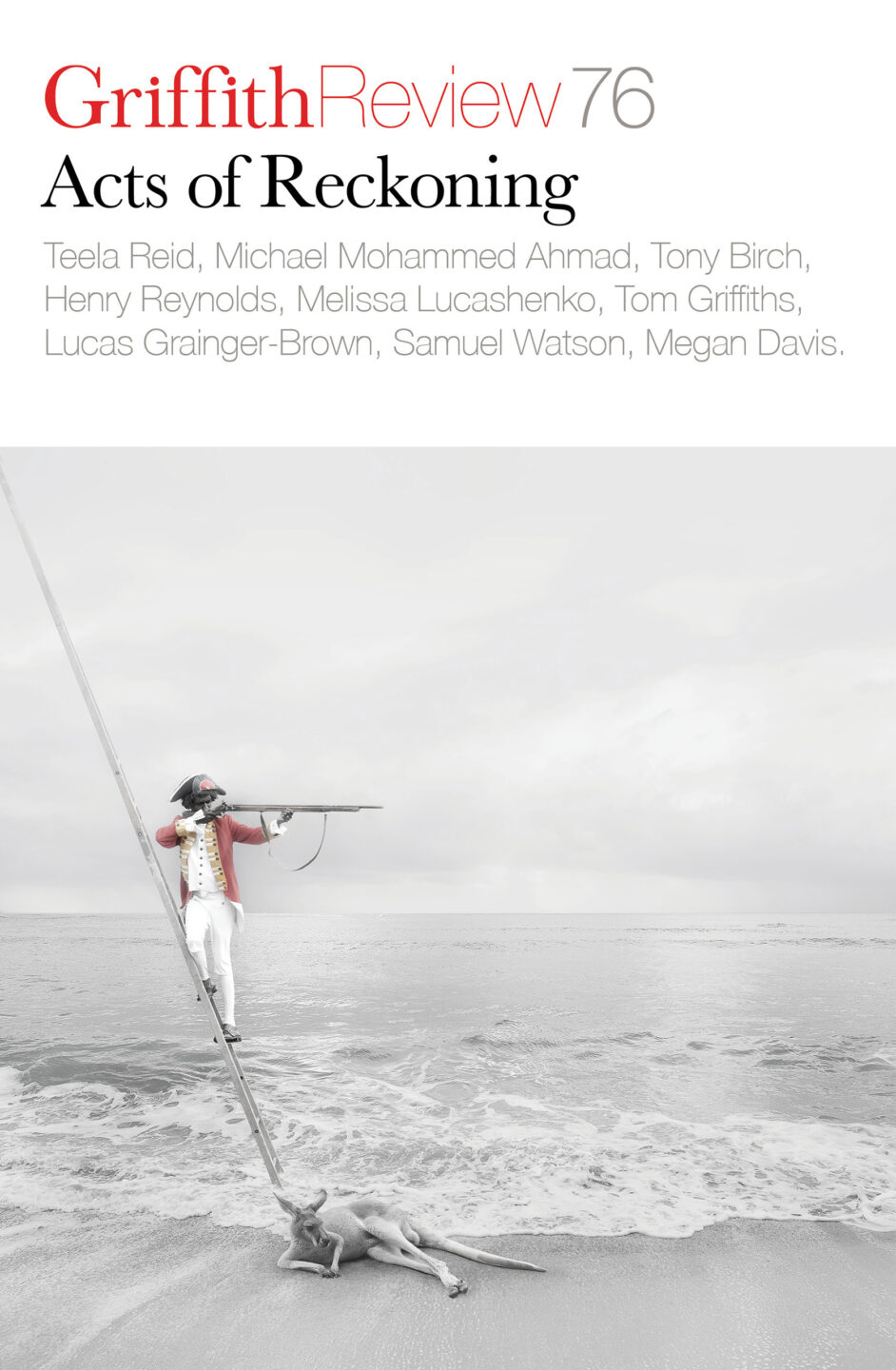
- Published 20220428
- ISBN: 978-1-922212-71-9
- Extent: 264pp
- Paperback (234 x 153mm), eBook


Already a subscriber? Sign in here
If you are an educator or student wishing to access content for study purposes please contact us at griffithreview@griffith.edu.au
Share article
More from author
The shape of memory
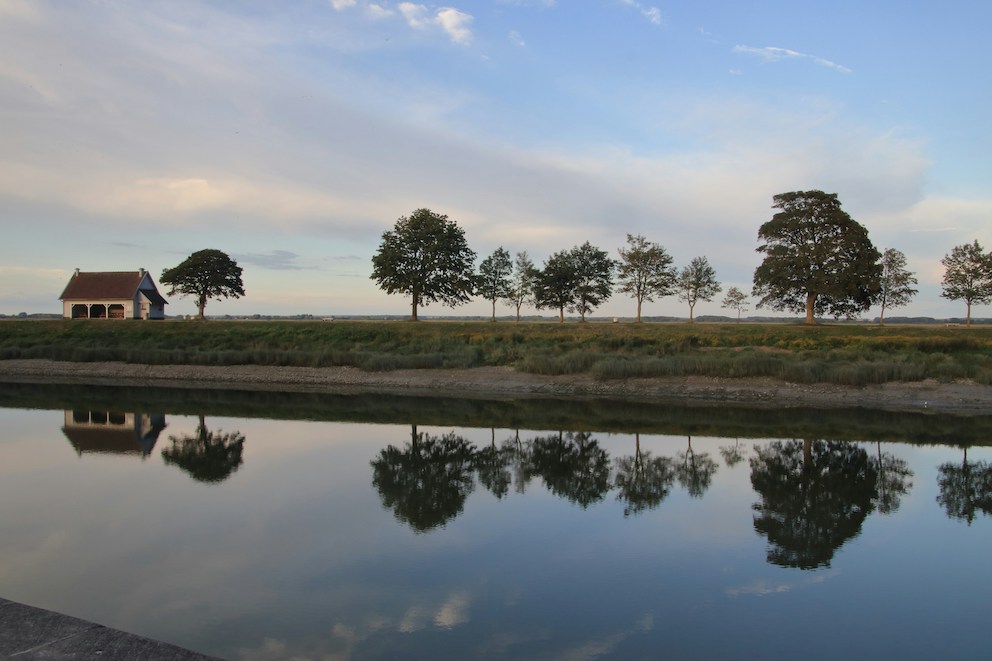
I sit by the river searching for someone our national memory keepers sought to erase: my great-grandfather. Bundjalung man William Olive served across the Western Front in World War I. Aside from his digitised war record, the archives I have sought are almost silent. He enlisted when the Defence Act outlawed Aboriginal service. He suffered through two brutal offensives: the Somme and the Ypres Salient. He was wounded near Pozières in 1916, not far from this river in Amiens. William and I are separated by time and silence. But silence is a powerful act of agency. It can be revolutionary to hold your tongue, to refuse the container of words. Maybe a river can speak, but what if it, too, chooses silence?
More from this edition

Dune coons and crescent moons
MemoirFIRST WORDS Kes emak. Your mum’s cunt. Don’t judge. I learn them from my mother. She is at Coles in Redfern, and I am nestled in...

To the islands
Essay LET’S OPEN WITH the fairytale of Snow White. Except Snow White is not named for her pale complexion but for her hair. Her skin...
‘The True Hero Stuff’
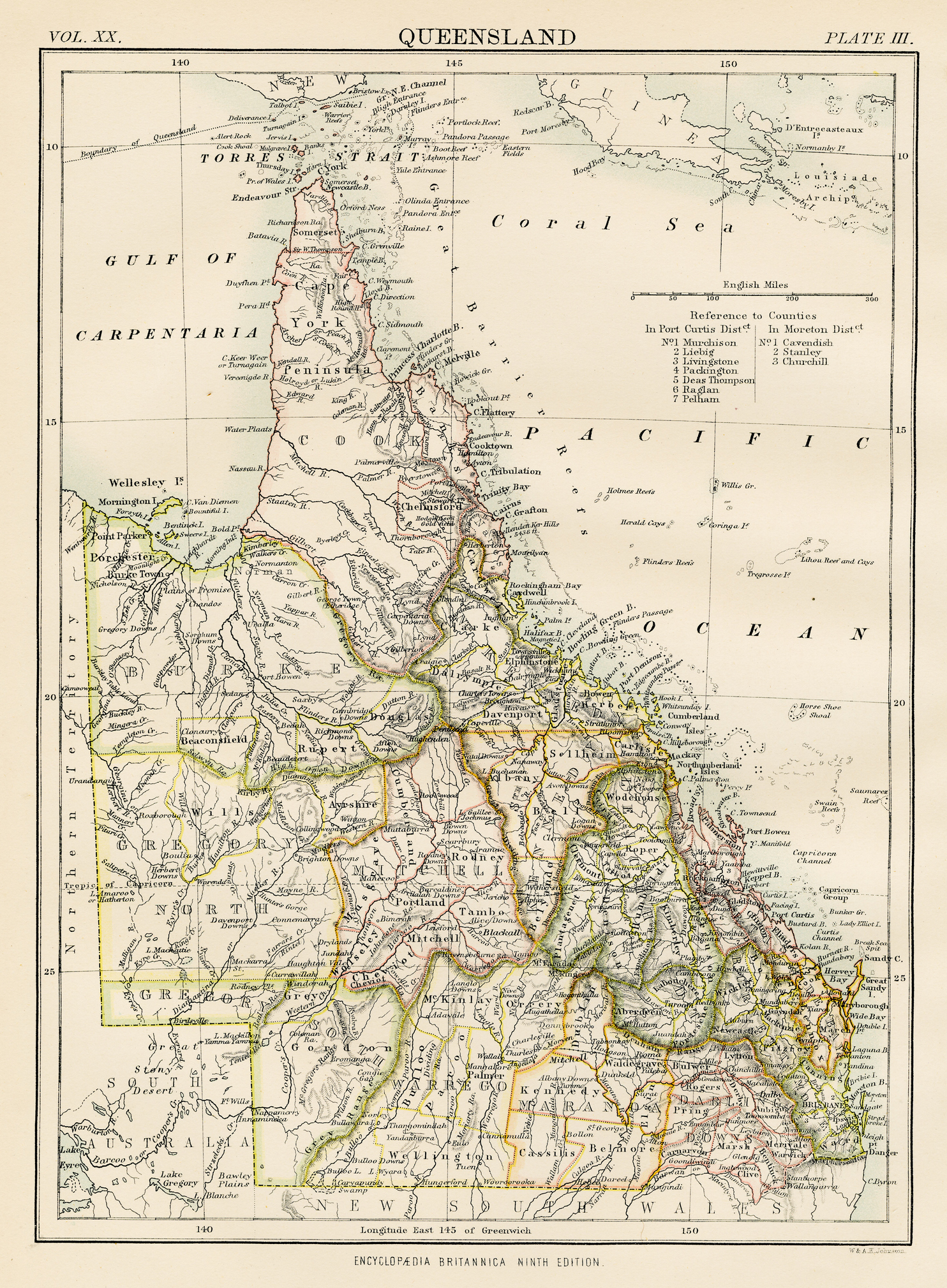
GR OnlineI grew up in a Queensland still so saturated with racist ideology that my own identity was hidden from me until as a teenager I started bringing home questions about our family’s tan skin and curly dark hair. Forty years later I was very well aware that non-First Nations writers usually mine a vast well of ignorance and stereotype when they attempt to bring Aboriginal characters or themes into their work.
