The collapse of values

Killing slowly

Featured in

  • Published 20160202
  • ISBN: 978-1-925240-80-1
  • Extent: 264pp
  • Paperback (234 x 153mm), eBook

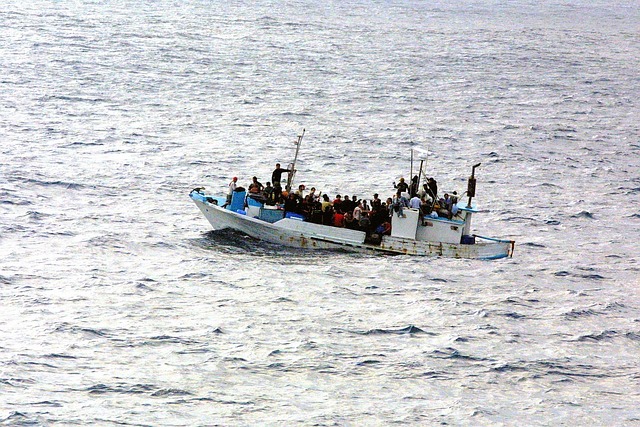
THE ARRIVAL OF the MV Tampa in Australian waters in 2001 was misrepresented to the public as a threat to national sovereignty. The people on the Tampa were rescued at the request of the Australian government. They comprised for the most part terrified Hazaras from Afghanistan, fleeing the Taliban. The Taliban’s regime was universally recognised as one of the most brutal and repressive in recent times. The notion that a handful of terrified, persecuted men, women and children fleeing such a regime could constitute a threat to our national sovereignty is so bizarre that it defies discussion.

I was shocked to see Australia’s response. The government denied the Tampa’s request to land its bedraggled cargo in Australia; it sent the SAS onto the ship, and 438 men, women and children were held on the deck in the tropical sun, day after day. I knew nothing about our refugee policy, but I knew it was wrong to treat human beings that way.

Already a subscriber? Sign in here

If you are an educator or student wishing to access content for study purposes please contact us at griffithreview@griffith.edu.au

Share article

About the author

Julian Burnside

Julian Burnside AO QC is an Australian barrister who principally practises in commercial litigation, trade practices and administrative law. He is also a human...

More from this edition

Birth of a nation?

EssayIN FEBRUARY 1902 – just thirteen months after the Australian colonies federated to become the world’s newest nation – a tall, slender woman from...

The good old days

EssayOver the last thirty years I have sought to explore how our top political executives exercised their power, whether they were prime ministers, ministers or departmental secretaries. My books include a study of the ways that the Australian Cabinets have changed over the past hundred and fifteen years, and two books on particular prime ministers, one from each side of the political divide. My interest has always been on how they do the job, how they define their responsibilities, what being prime minister means. Perhaps inevitably, when current circumstances are compared to, and placed in the context of, past leaders, it is the continuities rather than the differences that strike me as the most significant.

Stuff

MemoirWE GET TO vote just once every few years, but every single day we consume, we buy, we acquire. Stuff. And more stuff. Each...

Stay up to date with the latest, news, articles and special offers from Griffith Review.