
Featured in
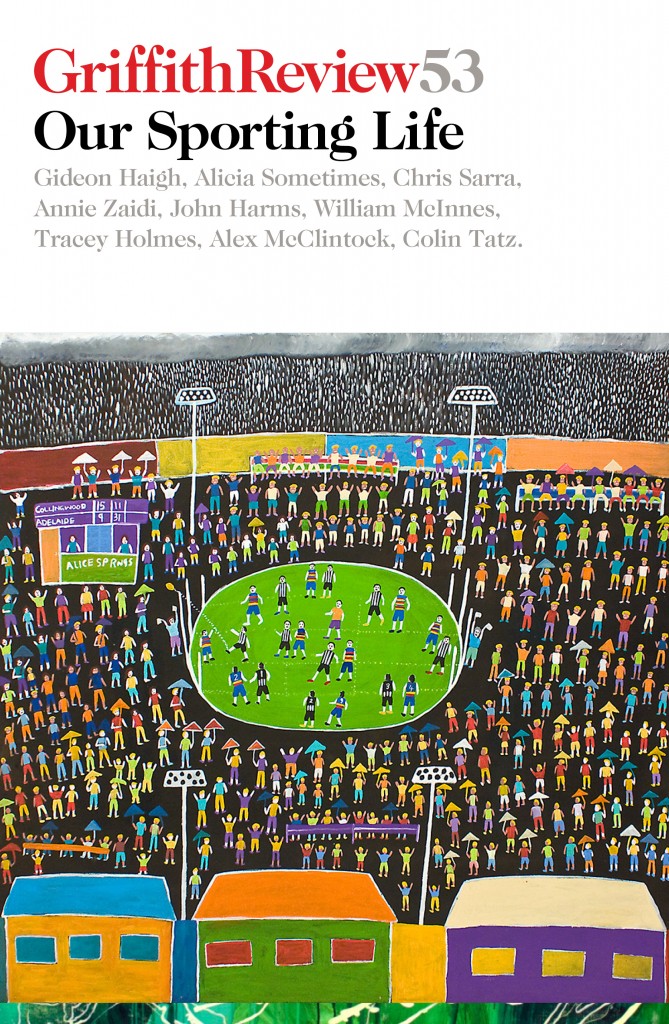
- Published 20160802
- ISBN: 978-1-925355-53-6
- Extent: 264pp
- Paperback (234 x 153mm), eBook
Already a subscriber? Sign in here
If you are an educator or student wishing to access content for study purposes please contact us at griffithreview@griffith.edu.au
Share article
More from author

Pay writers like politicians
When we talk about Australian books and writers today, we often find ourselves talking about money. Like patients with chronic illness, we’ve become adept at enumerating the symptoms of our malaise. We talk about broke writers and broke publishers and broke editors. Is anyone making any money? We talk about the cost of books and the cost of paper. We talk about writers’ incomes and the salaries of publishing staff. We talk about the cost of housing and university redundancies. There simply isn’t enough grant funding to go around. We talk about who can’t afford to write. We talk about the indie publishers selling out to multinationals because the margins are too tight. We talk about the market – the market for Australian literature that’s so small, even a prize-winning bestseller doesn’t bring financial security to its author. The market can’t be trusted with our national literature – unless what we want is self-published erotic fiction, which is apparently where the money lies. We talk about the obscenity of wealthy tech corporations shitting on copyright. If tech companies won’t pay writers, who else will?
Even when we’re not talking about money – when we’re talking about our hopes for a national literature, or whose stories should be told, when we’re talking about easy reading, or books that infantilise their readers, or how to safeguard freedom of expression, or the moral principles at stake in wholesale breach of copyright – our conversations are caveated and curtailed by the money question. At our most ambitious, we talk about how to pay writers a living wage.
More from this edition

Muscular Judaism on the frontier
EssayTHERE IS NO doubt that soccer began to be associated with European ethnic groups in Australia after the Chifley government’s intake of ‘New Australians’...
Full credit to the boys girls
Memoir@FletaTheTweeter: I was sent to interview Chris Gayle a couple of years ago. He said no to the interview before hitting on me. Dickhead is his...
Sport: New Zealand Herald, Wednesday May 4, 2016
